Carpet is one of the most common flooring choices for homeowners, thanks to its comfort, insulation, and variety of styles. However, like anything in your home, it won’t last forever. Over time, your carpet endures a lot, foot traffic, spills, pet accidents, furniture movement, dust buildup, and more. While regular maintenance can help extend its lifespan, there comes a point when cleaning and patching just won’t cut it anymore.
So, how do you know when it’s time to say goodbye to your old carpet and invest in a new one? In this blog post, we’ll explore the telltale signs that your carpet needs replacing, how long carpet usually lasts, and what to consider when choosing a replacement. Whether you’re a homeowner, renter, or property manager, this guide will help you make a smart, informed decision.
1. How Long Does Carpet Typically Last?
The lifespan of your carpet depends on several factors: the quality of the material, the amount of foot traffic, maintenance habits, and even environmental conditions like humidity. On average:
- Low-end carpet (builder-grade): 3–5 years
- Mid-range carpet: 5–10 years
- High-end carpet: 10–15 years
- Wool carpet (premium material): Up to 20 years with proper care
If your carpet is approaching or has exceeded its expected lifespan, it’s time to assess its condition and consider a replacement.
2. Signs It’s Time to Replace Your Carpet
Let’s take a deeper dive into the most common signs that indicate your carpet has outlived its usefulness.
a. Visible Wear and Tear
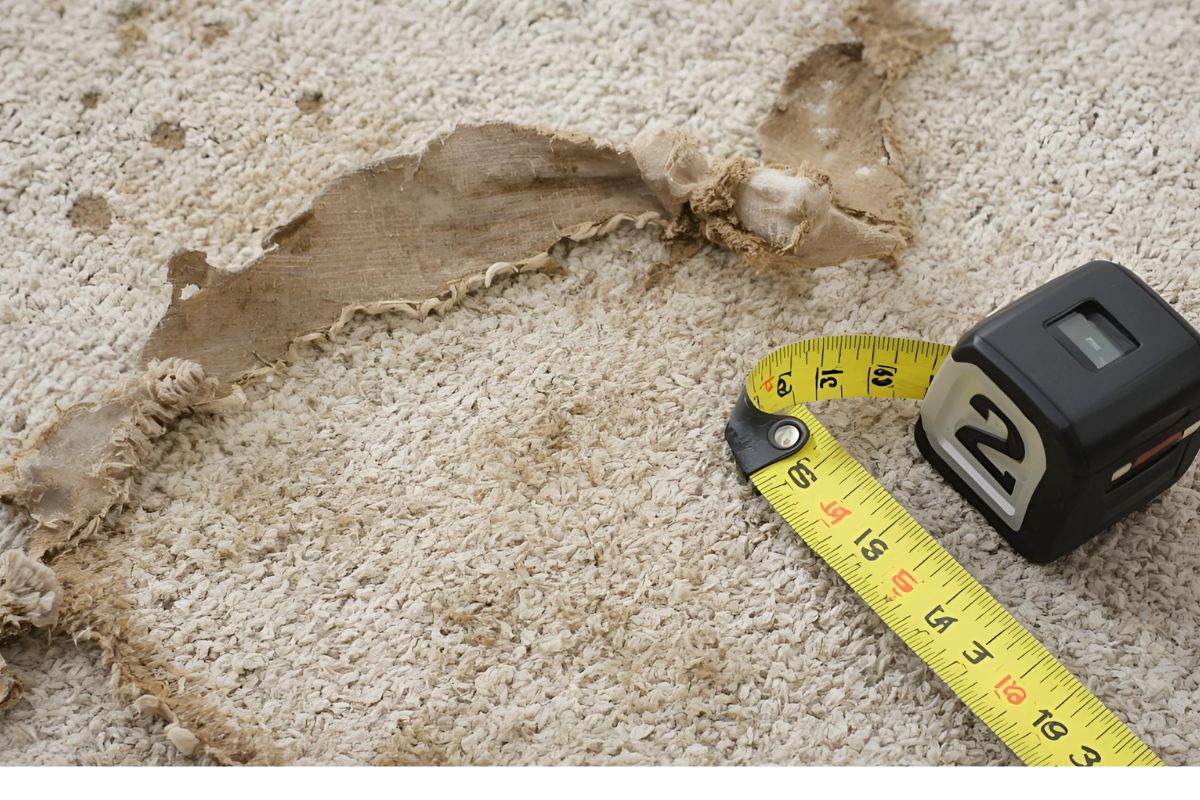
Carpet is subjected to daily abuse from dirty shoes to dragging furniture. Over time, fibers break down, especially in high-traffic areas like hallways, stairs, and living rooms.
Look out for:
- Bald spots or fraying fibers
- Flattened, worn-out patches
- Exposed carpet backing or seams that won’t stay together
If you find yourself constantly rearranging furniture to hide worn areas, that’s a red flag.
b. Stubborn Stains
Some stains are impossible to remove, even with professional cleaning. Pet accidents, red wine, ink, or mold can leave permanent discoloration and damage the integrity of the carpet.
Ask yourself:
- Are there stains that never come out, no matter what?
- Do you feel embarrassed when guests see your carpet?
If the answer is yes, it might be time for an upgrade.
c. Persistent Odors
Does your carpet still smell funky even after cleaning? Odors can be trapped deep within the fibers or in the padding underneath especially if caused by pet urine, moisture, or mold.
Signs it’s not just surface-level:
- Smell returns shortly after cleaning
- The odor worsens in humid conditions
- You’ve tried deodorizing sprays and professional cleanings with little to no success
Persistent odors are not only unpleasant but could indicate health risks.
d. Matting and Loss of Padding
Over time, carpet padding (the layer beneath the surface) breaks down, losing its ability to cushion and insulate.
Symptoms include:
- Carpet feels flat or crunchy underfoot
- Uneven areas or dips when you walk
- Increased noise when walking across the floor
Matting (where carpet fibers no longer bounce back) is particularly common in polyester carpets, and once it sets in, it can’t be reversed.
e. Allergy and Health Issues
Old carpets can become a trap for allergens like dust mites, mold spores, pet dander, and pollen especially if not cleaned regularly.
You may notice:
- Increased allergy symptoms (sneezing, watery eyes, coughing)
- Respiratory issues
- Musty smells or signs of mold
If family members feel better outside the home or in rooms without carpet, that’s a strong indicator your old carpet may be the culprit.
f. Outdated Style or Color
Even if your carpet is in decent shape, it might just look… dated. Color trends change, and what was in style 15 years ago might not match your home’s current aesthetic.
Common complaints:
- Faded colors or outdated patterns
- Clashing with updated furniture or paint
- Decreased resale appeal due to old flooring
Upgrading your carpet can transform your space and even increase your home’s value.
3. Should You Repair or Replace?
Not every carpet issue means total replacement. In some cases, minor repairs may be enough.
You might consider repair if:
- The issue is isolated (e.g., one burn mark or a small tear)
- The rest of the carpet is in good shape
- The carpet is relatively new
Go for replacement if:
- There are multiple issues across the room or house
- Repairs cost more than half the price of new carpet
- You’re planning to sell or rent the home soon
4. Carpet Replacement and Home Value
Replacing worn-out carpet can be a wise investment, especially if you’re prepping your home for sale.
Benefits include:
- Improved aesthetics: Makes rooms feel fresh and modern
- Better first impressions: Buyers often judge homes quickly
- Higher ROI: According to some estimates, new carpet can yield a return of up to 50–70% of its cost in home value
If you’re not sure, talk to a real estate agent or home appraiser to see how much value new carpet could add in your market.
5. What to Consider When Choosing New Carpet
Ready to upgrade? Here are key factors to think about before you buy:
a. Material
- Nylon: Durable and resilient, great for high-traffic areas
- Polyester: Soft and stain-resistant, but prone to matting
- Olefin (Polypropylene): Moisture- and mold-resistant
- Wool: Natural, eco-friendly, and luxurious, but expensive
b. Pile Height and Style
- Cut pile: Soft and plush; popular in bedrooms and living rooms
- Loop pile (Berber): Durable and low-profile; ideal for hallways and stairs
- Cut & loop: Textured for patterns; hides dirt well
c. Padding
Don’t skimp on the padding; it improves comfort, soundproofing, and carpet lifespan. Consider memory foam or rebond padding for added support.
d. Color and Pattern
Choose something neutral and timeless if you plan to sell in the near future. For personal style, go bold or patterned to make a statement.
e. Warranty and Installation
Read the fine print of the warranty. Many warranties require professional installation and regular cleanings to stay valid.
6. Final Thoughts
Your carpet has been with you through a lot of movie nights, messy dinners, toddler playtime, and even a few unfortunate spills. But if it’s showing signs of age, wear, and tear, don’t wait too long to replace it. Not only will new carpet enhance your home’s look and feel, but it can also improve air quality, reduce allergens, and increase property value.
If you notice stains that won’t lift, smells that won’t fade, or padding that’s lost its bounce, take it as a sign. Carpet replacement may be an upfront cost, but it’s also an investment in your comfort and health.
Still unsure if it’s time to replace your carpet? Schedule a professional carpet inspection in Sydney. Sometimes, a fresh set of eyes and a deep clean can help you decide what comes next.