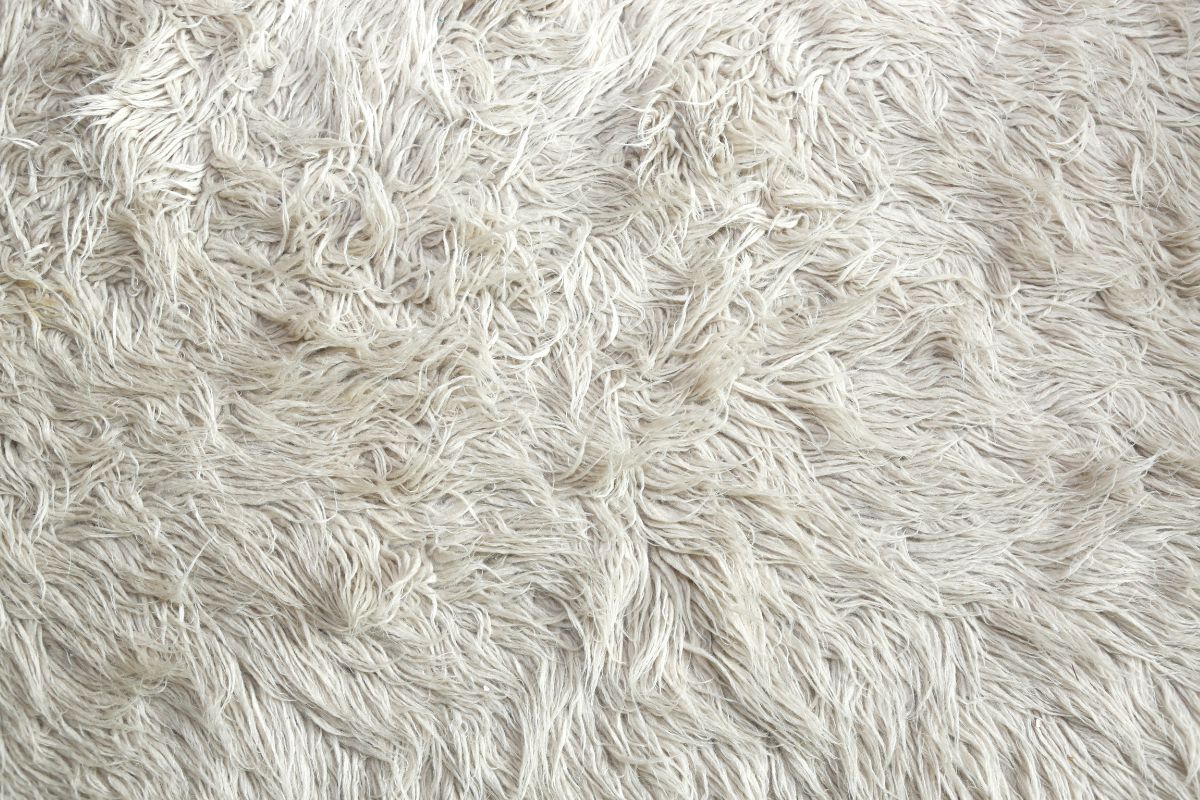
Wool carpets are a timeless choice for homeowners seeking elegance, durability, and comfort. Renowned for their natural beauty and luxurious feel, wool carpets can transform any space into a warm and inviting haven. However, purchasing a wool carpet is a significant investment, and making an informed decision requires careful consideration of various factors. In this comprehensive guide, we’ll explore everything you need to know before buying a wool carpet, from material quality to maintenance, to ensure you choose the perfect carpet for your home.
Why Choose a Wool Carpet?
Before diving into the specifics, let’s understand why wool carpets are so popular. Wool is a natural fiber derived from sheep, offering unique qualities that synthetic carpets often can’t match. Here are some key benefits:
- Durability: Wool fibers are naturally strong and resilient, making wool carpets long-lasting and capable of withstanding heavy foot traffic.
- Comfort: Wool is soft and cushioned underfoot, providing a cozy and comfortable surface for walking, sitting, or lounging.
- Eco-Friendly: As a renewable resource, wool is biodegradable and sustainable, appealing to environmentally conscious buyers.
- Natural Insulation: Wool carpets regulate temperature, keeping your home warm in winter and cool in summer.
- Stain Resistance: Wool’s natural oils repel stains and make cleaning easier compared to some synthetic fibers.
- Hypoallergenic: Wool is resistant to dust mites and mold, making it a great choice for allergy sufferers.
With these advantages in mind, let’s explore the key factors to consider when purchasing a wool carpet.
1. Quality of the Wool
Not all wool carpets are created equal. The quality of the wool significantly impacts the carpet’s appearance, feel, and longevity. Here’s what to look for:
- Wool Source: Wool from different regions, such as New Zealand or British wool, varies in quality. New Zealand wool, for instance, is prized for its softness, whiteness, and durability due to the country’s pristine environment and high-quality sheep breeds.
- Fiber Grade: Wool is graded based on its fineness. Finer wool (measured in microns) feels softer but may be less durable, while coarser wool is more robust but slightly less plush. Look for a balance depending on your needs.
- Blends: Some wool carpets are blended with synthetic fibers like nylon to enhance durability or reduce cost. While blends can be practical, pure wool carpets typically offer superior quality and longevity.
Tip: Ask the retailer about the wool’s origin and whether it’s 100% pure or a blend. Certifications like the Woolmark logo indicate high-quality wool.
2. Carpet Construction
The way a wool carpet is made affects its performance and aesthetic. There are several construction methods to consider:
- Hand-Woven: Hand-woven wool carpets, such as Persian or Oriental rugs, are labor-intensive and often feature intricate designs. They’re ideal for low-traffic areas and add a touch of artistry to your home.
- Tufted: Tufted wool carpets are machine-made, making them more affordable. They’re suitable for high-traffic areas but may not have the same level of detail as hand-woven options.
- Wilton or Axminster: These are woven carpets known for their durability and ability to hold intricate patterns. They’re a great choice for formal spaces like dining rooms or living rooms.
Tip: Choose a construction method based on your budget, aesthetic preferences, and the room’s purpose. For high-traffic areas, opt for tightly woven or tufted carpets for better durability.
3. Pile Type
The pile of a carpet refers to the height and density of the fibers. Wool carpets come in various pile types, each offering a different look and feel:
- Cut Pile: Features a smooth, velvety surface that feels soft and luxurious. Common types include Saxony (dense and plush) and Frieze (twisted fibers for a textured look).
- Loop Pile: Made of uncut loops, loop pile carpets like Berber are durable and resist wear, making them ideal for high-traffic areas.
- Cut and Loop Pile: Combines both textures for a patterned, modern look. This style hides dirt and stains well but may require more maintenance.
Tip: Consider the room’s function when choosing pile type. For example, loop pile is great for hallways, while cut pile suits bedrooms for a cozy feel.
4. Color and Design
Wool carpets come in a wide range of colors and patterns, allowing you to match your home’s decor. Here’s what to keep in mind:
- Neutral vs. Bold Colors: Neutral tones like beige, gray, or cream are versatile and timeless, while bold colors or patterns can make a statement but may limit future decor changes.
- Light vs. Dark: Light-colored wool carpets brighten a room but show stains more easily. Darker shades hide dirt but may make a small space feel smaller.
- Patterns: From geometric designs to traditional motifs, patterns can add character but may clash with other elements in the room. Solid colors are easier to coordinate.
Tip: Request samples or swatches to see how the carpet looks in your home’s lighting. Wool’s natural sheen can appear different under various light conditions.
5. Size and Placement
Choosing the right size for your wool carpet is crucial for both aesthetics and functionality. Here’s how to get it right:
- Room Size: Measure your room carefully to ensure the carpet fits well. For living rooms, a carpet that leaves a border of flooring around the edges creates a balanced look. In bedrooms, a large carpet under the bed adds warmth.
- Area Rugs vs. Wall-to-Wall: Decide whether you want a wall-to-wall carpet for full coverage or an area rug for flexibility. Area rugs are easier to replace or clean but require a non-slip pad underneath.
- Furniture Placement: Ensure the carpet is large enough to accommodate furniture legs, especially for dining tables or sofas, to avoid an unbalanced appearance.
Tip: Use painter’s tape to outline the carpet’s size on the floor to visualize how it will look before purchasing.
6. Durability and Traffic
Consider the foot traffic in the room where the carpet will be placed:
- High-Traffic Areas: Hallways, living rooms, and entryways need durable wool carpets with a dense pile and tight weave to resist wear and tear.
- Low-Traffic Areas: Bedrooms or formal dining rooms can accommodate softer, less durable carpets with a higher pile for added comfort.
Tip: Check the carpet’s density by bending it to see how much backing is visible. Less visible backing indicates a denser, more durable carpet.
7. Maintenance and Cleaning
Wool carpets require specific care to maintain their beauty and longevity:
- Vacuuming: Regular vacuuming (weekly or bi-weekly) prevents dirt buildup. Use a suction-only vacuum or one with a gentle brush to avoid damaging the fibers.
- Spill Management: Wool is naturally stain-resistant, but spills should be blotted immediately with a clean cloth. Avoid rubbing, as it can push stains deeper.
- Professional Cleaning: Have your wool carpet professionally cleaned every 12-18 months to remove deep dirt and maintain its appearance.
Tip: Check the manufacturer’s cleaning guidelines and avoid using harsh chemicals, as they can damage wool fibers.
8. Budget and Cost
Wool carpets are generally more expensive than synthetic options due to their natural properties and durability. Prices vary based on:
- Quality: Higher-grade wool or hand-woven carpets cost more.
- Size: Larger carpets or custom sizes increase the price.
- Brand and Retailer: Designer brands or specialty retailers may charge a premium.
Tip: Set a budget and compare prices from multiple retailers. Look for sales or discounts, but avoid compromising on quality for a cheaper price.
9. Environmental and Health Considerations
Wool carpets are a sustainable choice, but there are additional factors to consider:
- Allergies: Wool is hypoallergenic, but ensure the carpet is free of chemical treatments that could trigger sensitivities.
- Sustainability: Look for carpets made from ethically sourced wool with minimal environmental impact. Certifications like the Responsible Wool Standard (RWS) ensure humane treatment of sheep and eco-friendly practices.
- Off-Gassing: Unlike synthetic carpets, wool doesn’t release volatile organic compounds (VOCs), making it safer for indoor air quality.
Tip: Ask about certifications and manufacturing processes to ensure the carpet aligns with your environmental and health priorities.
10. Warranty and Return Policy
Before finalizing your purchase, check the retailer’s warranty and return policy:
- Warranty: Look for a warranty that covers defects in materials or craftsmanship. Some manufacturers offer warranties ranging from 5 to 20 years.
- Return Policy: Ensure you can return or exchange the carpet if it doesn’t meet your expectations or match your decor.
Tip: Read the fine print to understand what’s covered under the warranty and keep receipts and documentation for future claims.
11. Installation and Underlay
Proper installation is key to maximising your wool carpet’s lifespan:
- Professional Installation: Hiring a professional ensures the carpet is properly stretched and secured, especially for wall-to-wall installations.
- Underlay: A high-quality underlay (padding) enhances comfort, insulation, and durability. Choose a natural fiber underlay, like felt, for wool carpets to maintain eco-friendliness.
Tip: Discuss installation costs and underlay options with your retailer to avoid unexpected expenses.
12. Brand Reputation and Reviews
Research the brand and retailer before making a purchase:
- Brand Quality: Established brands with a history of producing high-quality wool carpets are often a safer choice.
- Customer Reviews: Read reviews to gauge customer satisfaction with the carpet’s performance, durability, and appearance over time.
Tip: Check independent review sites or ask for references from the retailer to ensure you’re buying from a reputable source.
Conclusion
Choosing a wool carpet is an investment in quality, comfort, and style. By considering factors like wool quality, construction, pile type, color, size, and maintenance, you can find a carpet that enhances your home’s beauty and functionality. Take your time to research, compare options, and consult with experts to ensure your wool carpet meets your needs and lasts for years to come.
Ready to start shopping? Visit a trusted carpet store or consult with a flooring specialist to explore wool carpet options that fit your budget and style. With the right choice, your wool carpet will be a stunning and sustainable addition to your home.