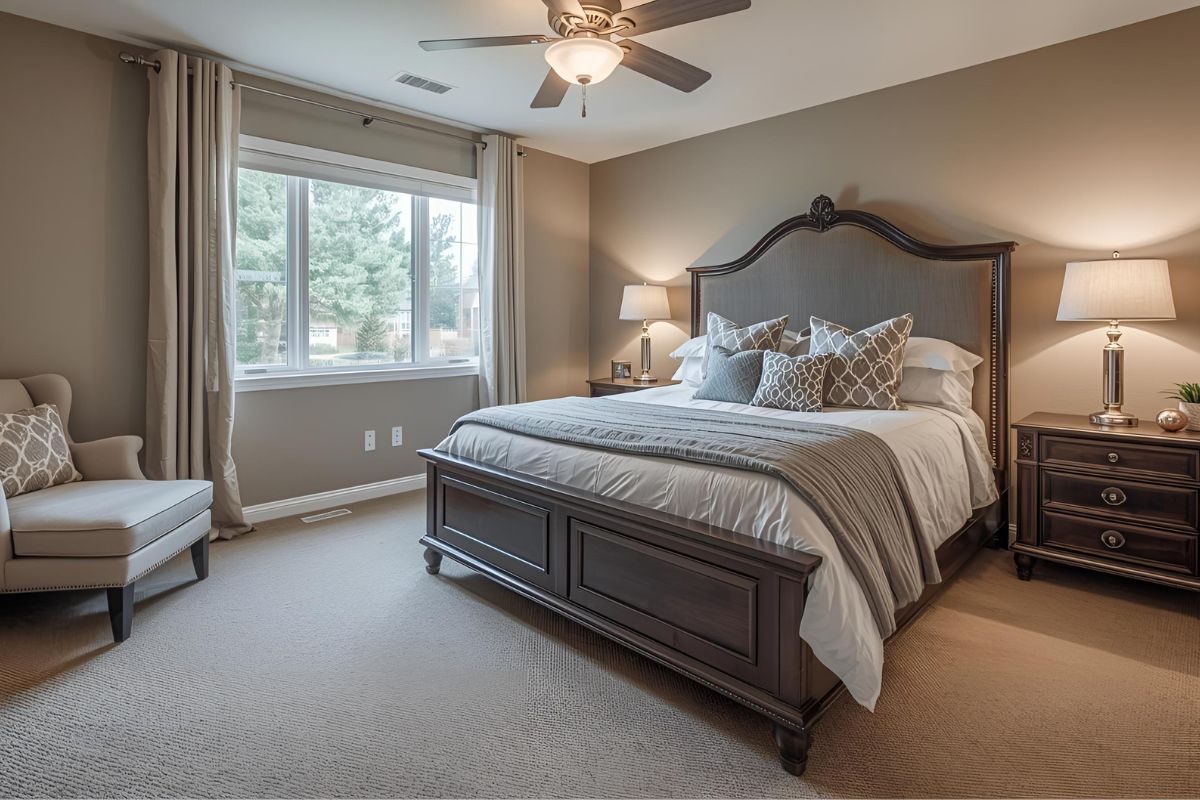
Your bedroom is your sanctuary – a place where comfort meets calm. And few things set the tone for a cozy, serene space like the right carpet. Whether you’re starting fresh or looking to upgrade your existing floors, choosing the best carpet for your bedroom is about more than just picking a color. It involves a blend of aesthetics, softness, durability, and maintenance considerations.
In this comprehensive guide, we’ll walk you through everything you need to know to find the perfect carpet for your bedroom from materials and textures to color trends and budgeting.
Why Carpet Is a Great Choice for Bedrooms
Before diving into types and materials, let’s briefly look at why carpet remains a popular choice for bedrooms:
- Soft and Warm Underfoot: Nothing beats stepping onto a plush, warm carpet first thing in the morning.
- Sound Insulation: Carpet naturally dampens sound, making your bedroom quieter and more peaceful.
- Safety: The cushioned surface is less slippery than hardwood or tile and provides a safer space for kids or elderly residents.
- Aesthetic Appeal: From luxurious patterns to calming neutrals, carpet adds texture and depth to bedroom design.
Best Carpet Materials for Bedrooms
The material of your carpet plays a big role in comfort, durability, and maintenance. Here are the top contenders:
1. Nylon
- Pros: Durable, resilient, and stain-resistant (especially when treated).
- Cons: More expensive than some other synthetic options.
- Best For: High-traffic bedrooms or homes with kids and pets.
2. Polyester
- Pros: Luxuriously soft, budget-friendly, and available in vibrant colors.
- Cons: Less durable than nylon; may flatten in high-traffic areas.
- Best For: Low-traffic bedrooms or guest rooms.
3. Triexta (SmartStrand)
- Pros: Excellent stain resistance, eco-friendlier (partially made from corn glucose), and very soft.
- Cons: Newer material – long-term durability still being tested.
- Best For: Family bedrooms where spills and messes are likely.
4. Wool
- Pros: Natural, hypoallergenic, and highly durable; premium luxury feel.
- Cons: Expensive and can be prone to staining without proper treatment.
- Best For: Luxury bedroom designs with low moisture and well-controlled environments.
5. Blends (Wool + Synthetic)
- Pros: Balances the best features of both – softness, durability, and affordability.
- Cons: May still carry a higher price than full synthetics.
- Best For: Those who want the comfort of wool without the full price tag.
Carpet Pile Types: What Feels Best Underfoot?
The pile refers to the fabric loops in the carpet. Some are cut, some are looped, and some are both. Here’s how different pile types stack up in the bedroom:
1. Plush (Cut Pile)
- Feel: Velvety and smooth; the most luxurious underfoot.
- Look: Shows footprints and vacuum marks.
- Best For: Master bedrooms or luxury suites.
2. Saxony
- Feel: Dense and soft; offers a rich look.
- Look: More formal than plush.
- Best For: Traditional or formal bedroom designs.
3. Frieze (Twist Pile)
- Feel: Soft and durable with a slightly “curly” texture.
- Look: Hides footprints and dirt well.
- Best For: Casual or contemporary bedrooms.
4. Berber (Loop Pile)
- Feel: Firm and textured.
- Look: Modern, but less soft than cut pile carpets.
- Best For: Kids’ bedrooms or budget-conscious remodels.
Choosing the Right Carpet Color for Your Bedroom
Color sets the mood of your room. In bedrooms, warm, neutral, and calming tones tend to work best.
Popular Color Trends:
- Soft Grays: Neutral and modern, pairs well with almost any color scheme.
- Beige & Taupe: Timeless and warm.
- Muted Blues & Greens: Evoke calmness and promote relaxation.
- Earthy Browns: Bring warmth and grounding energy.
Tip: If your room gets a lot of sunlight, consider how the carpet color will look at different times of day. Some carpets may fade over time if not UV-resistant.
Carpet Padding: The Unsung Hero
Don’t overlook carpet padding! It’s not visible, but it makes a major difference in how your carpet feels and lasts.
Benefits of Quality Carpet Padding:
- Improves comfort and cushioning
- Increases carpet longevity
- Provides extra insulation and soundproofing
- Helps with stain protection in some types
Look for high-density foam or memory foam pads for bedrooms where comfort is a priority.
Carpet Maintenance in the Bedroom
Bedrooms are generally low-traffic areas, so maintenance is easier than in living rooms or hallways. However, consider the following:
Tips:
- Vacuum Weekly: Especially if you have pets.
- Professional Cleaning: Every 12–18 months to maintain fiber quality.
- Spot-Clean Immediately: Use manufacturer-approved products to avoid damaging the fibers.
- Avoid Shoes Indoors: This simple habit greatly extends carpet life.
Eco-Friendly & Hypoallergenic Options
For allergy sufferers or eco-conscious homeowners, look for:
- Low-VOC carpets: Certified by Green Label Plus.
- Natural fibers: Wool, sisal, or jute.
- Recyclable options: Many modern synthetic carpets are made from recycled plastics.
Bedroom Carpet Buying Tips: What to Keep in Mind
- Lifestyle: Kids? Pets? Allergies? Choose accordingly.
- Budget: Factor in both carpet cost and padding/installation.
- Room Size: Lighter colors make rooms appear larger.
- Warranty: Look for warranties that cover wear, stain, and texture retention.
- Try Before You Buy: Always request carpet samples to see how they look and feel in your space.
Final Thoughts: So, What’s the Best Carpet for Your Bedroom?
While the best bedroom carpet ultimately depends on your personal preferences and lifestyle, here’s a quick summary of top picks:
| Priority | Best Carpet Type |
| Ultimate Comfort | Plush or Saxony with memory foam pad |
| Budget-Friendly | Polyester or Frieze |
| Luxury & Natural | Wool or Wool-Blend |
| Family-Friendly | Triexta or Nylon |
| Low Maintenance | Frieze or Berber |
Choosing the right carpet is an investment in both comfort and aesthetics. Take your time, compare samples, and think about how you want your bedroom to feel, because your feet (and peace of mind) deserve the best.
Need Help Choosing?
Visit your local carpet store in Sydney or consult a carpet specialist to explore options in person. Better yet, bring home samples and test them under real lighting conditions.