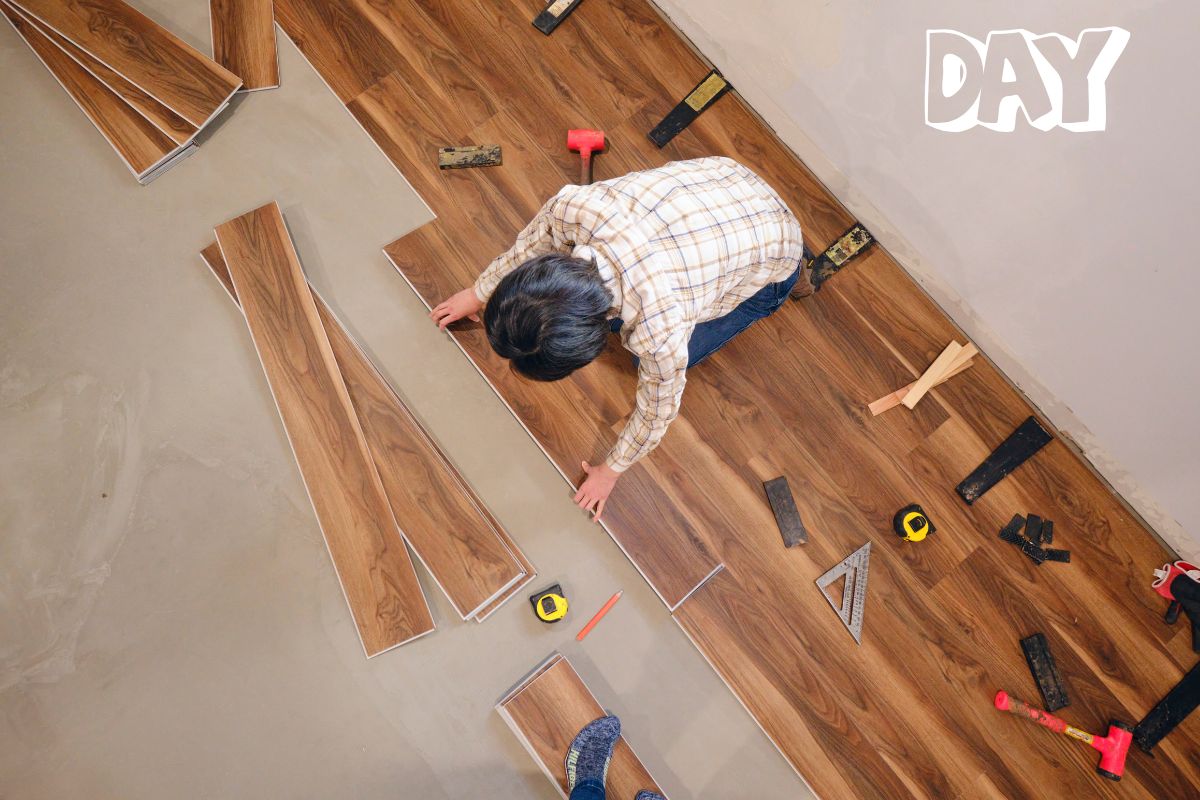
Installing new flooring is one of the most exciting upgrades you can make to your home or business. Whether you are replacing outdated carpet, adding elegant hardwood, or installing durable vinyl planks, new flooring instantly transforms the appearance and comfort of a space. However, many homeowners feel unsure about what actually happens on installation day.
Understanding the flooring installation process can help you feel more prepared, reduce stress, and ensure everything goes smoothly. From preparing your home before the crew arrives to the final inspection after the work is complete, each step plays an important role in creating beautiful, long-lasting floors.
In this blog, we will walk you through what typically happens on the day of your flooring installation so you know exactly what to expect.
Preparing Before Flooring Installation Day
Preparation starts before the installers even arrive. Most flooring companies provide homeowners with a checklist to help get the area ready. Taking care of these tasks ahead of time helps the installation process move faster and prevents unnecessary delays.
a. Clear the Room
Furniture, rugs, electronics, decorations, and personal belongings should be removed from the installation area. If the flooring will extend into closets, those spaces should also be emptied.
A completely clear room allows the installers to work efficiently and safely. It also helps protect your belongings from dust or accidental damage during the process.
b. Protect Fragile Items
Removing old flooring can create vibrations throughout the home. Wall decorations, mirrors, and fragile items should be taken down or moved away from nearby areas to avoid breakage.
c. Plan for Pets and Children
Flooring installation involves tools, equipment, adhesives, and noise. For safety reasons, pets and small children should stay away from the work zone throughout the project.
d. Ensure Easy Access
Make sure installers have easy access to your home. Clear driveways, hallways, and entryways so materials and equipment can be moved in quickly.
Arrival of the Flooring Crew
On installation day, the flooring team usually arrives early in the morning. The lead installer or project manager will often review the project details with you before work begins.
This discussion may include:
- Rooms being completed
- Flooring layout direction
- Transition placements
- Special requests or concerns
- Estimated completion time
This is the best time to ask final questions and confirm all details before installation starts.
Inspection of Flooring Materials
Before installation begins, the crew carefully inspects the flooring materials to make sure everything is correct and undamaged.
They typically check:
- Flooring color and style
- Material quantity
- Matching batch or lot numbers
- Product condition
For hardwood flooring, installers may also check whether the planks have properly acclimated to your home’s temperature and humidity levels. Acclimation is important because wood naturally expands and contracts depending on environmental conditions.
This inspection step helps avoid issues later in the installation process.
Removal of Existing Flooring
If old flooring needs to be removed, this is usually the first major step.
Depending on the flooring type, removal may involve:
- Pulling up carpet and padding
- Removing tiles and grout
- Taking out laminate or vinyl planks
- Scraping away glue or adhesive
- Removing nails or staples
This part of the process can be noisy and dusty, especially when removing tile or glued flooring. Professional installers use specialised tools to complete the work safely and efficiently.
After removal, the old flooring materials are collected and disposed of properly.
Subfloor Inspection and Preparation
One of the most important stages of flooring installation happens underneath the surface.
Once the old flooring is removed, installers inspect the subfloor carefully. The subfloor is the foundation that supports your new flooring, so it must be clean, level, dry, and structurally sound.
Common Subfloor Issues Include:
- Cracks or holes
- Uneven surfaces
- Moisture problems
- Squeaking areas
- Damaged plywood
If necessary, installers may:
- Fill gaps or cracks
- Sand uneven sections
- Replace damaged materials
- Add moisture barriers
- Install underlayment
Skipping proper subfloor preparation can lead to future problems such as uneven flooring, squeaks, shifting planks, or premature wear.
Although this step can add time to the project, it is essential for achieving durable and professional results.
Floor Measuring and Layout Planning
Before laying the new flooring, installers carefully measure the room and plan the layout.
This step helps ensure:
- Balanced appearance
- Straight installation lines
- Minimal material waste
- Proper seam placement
- Consistent spacing
For hardwood and vinyl plank flooring, seams are often staggered to create a more natural and attractive look.
For tile installations, chalk lines and spacers help maintain even alignment and grout spacing.
Professional planning makes a significant difference in the final appearance of the floor.
Installing the New Flooring
Once the subfloor is prepared and measurements are complete, the actual installation begins.
The process varies depending on the type of flooring you selected.
a. Hardwood Flooring Installation
Hardwood flooring may be nailed, stapled, glued, or floated depending on the product and subfloor type. Installers work row by row, ensuring tight seams and proper spacing around walls for expansion.
b. Laminate and Vinyl Plank Installation
Many laminate flooring and luxury vinyl plank products use click-lock systems that allow planks to fit securely together. Installers carefully align each piece to create a seamless appearance.
c. Tile Flooring Installation
Tile installation involves applying mortar, placing tiles evenly, and using spacers to maintain consistent grout lines. Once the tiles are set, grout is applied between them.
d. Carpet Installation
For carpet installation, padding is installed first. The carpet is then stretched and secured tightly into place to prevent wrinkles or loose areas.
Throughout the installation process, installers continuously check alignment, spacing, and overall quality.
Dust and Noise During Installation
Flooring installation naturally creates some level of dust and noise. However, professional crews often take steps to minimise disruption.
These precautions may include:
- Using dust-control systems
- Cleaning debris regularly
- Sealing off work areas
- Vacuuming during the process
Even with these measures, homeowners should still expect some temporary inconvenience during installation day.
If you work from home or have noise-sensitive pets, you may want to plan accordingly.
Communication During the Project
Good communication is an important part of a successful flooring installation.
During the project, the installer or project manager may update you on:
- Progress of the work
- Unexpected subfloor issues
- Timeline adjustments
- Design questions
- Additional repairs if needed
Staying available for quick decisions can help prevent delays and keep the project moving smoothly.
Flooring Finishing Touches
Once the main flooring installation is complete, the crew focuses on finishing details.
These finishing touches may include:
- Baseboards
- Quarter-round molding
- Transition strips
- Stair nosing
- Door trim adjustments
These details help create a polished and professional appearance while protecting the edges of the flooring.
For tile flooring, grout may require additional time to dry and cure before final cleaning is completed.
Cleanup After Flooring Installation
Most professional flooring companies include a cleanup process after installation is finished.
This may involve:
- Sweeping or vacuuming
- Removing debris
- Collecting leftover materials
- Wiping down surfaces
- Disposing of old flooring
Although installers clean thoroughly, a small amount of dust may still remain, especially after major flooring removal.
Many homeowners choose to do a light additional cleaning afterward.
Final Walkthrough and Inspection
Before leaving, the installation team usually conducts a final walkthrough with the homeowner.
During this inspection, you can review the completed work and ask questions about maintenance and care.
The installer may explain:
- Cleaning recommendations
- Warranty information
- Drying or curing times
- When furniture can be moved back
- How to protect the new flooring
Take your time during this stage to ensure you are satisfied with the final results.
If you notice any concerns, mention them immediately so they can be addressed quickly.
After Flooring Installation Care
Proper care after installation helps maintain the beauty and lifespan of your new floors.
- Wait Before Replacing Furniture: Some flooring materials and adhesives need time to cure fully. Moving heavy furniture back too soon can damage the new surface.
- Use Furniture Pads: Protective pads under furniture legs help prevent scratches and dents.
- Follow Cleaning Guidelines: Use manufacturer-approved cleaning products to avoid damaging the finish or voiding warranties.
- Maintain Indoor Humidity: For hardwood flooring, stable humidity levels help reduce expansion and contraction over time.
Tips for a Smooth Flooring Installation Experience
To help installation day go as smoothly as possible, keep these simple tips in mind:
- Communicate Clearly: Discuss expectations, timelines, and concerns before work begins.
- Be Flexible: Unexpected issues such as subfloor damage may occasionally require additional time.
- Keep Pathways Open: Easy access helps installers move materials and equipment efficiently.
- Follow Care Instructions: Proper maintenance protects your investment and keeps your floors looking beautiful for years.
Final Thoughts
The day of your flooring installation is an exciting step toward improving your home’s appearance, comfort, and value. While the process may involve temporary dust, noise, and disruption, professional installers follow a detailed process designed to ensure high-quality results.
From removing old flooring and preparing the subfloor to installing the final trim pieces, every stage contributes to the durability and beauty of your new floors.
Knowing what to expect ahead of time can help you feel more confident and prepared throughout the experience. With proper planning and communication, your flooring installation day can be smooth, efficient, and rewarding.
Once the work is complete, you will be able to enjoy the fresh, stylish, and comfortable look that new flooring brings to your space.