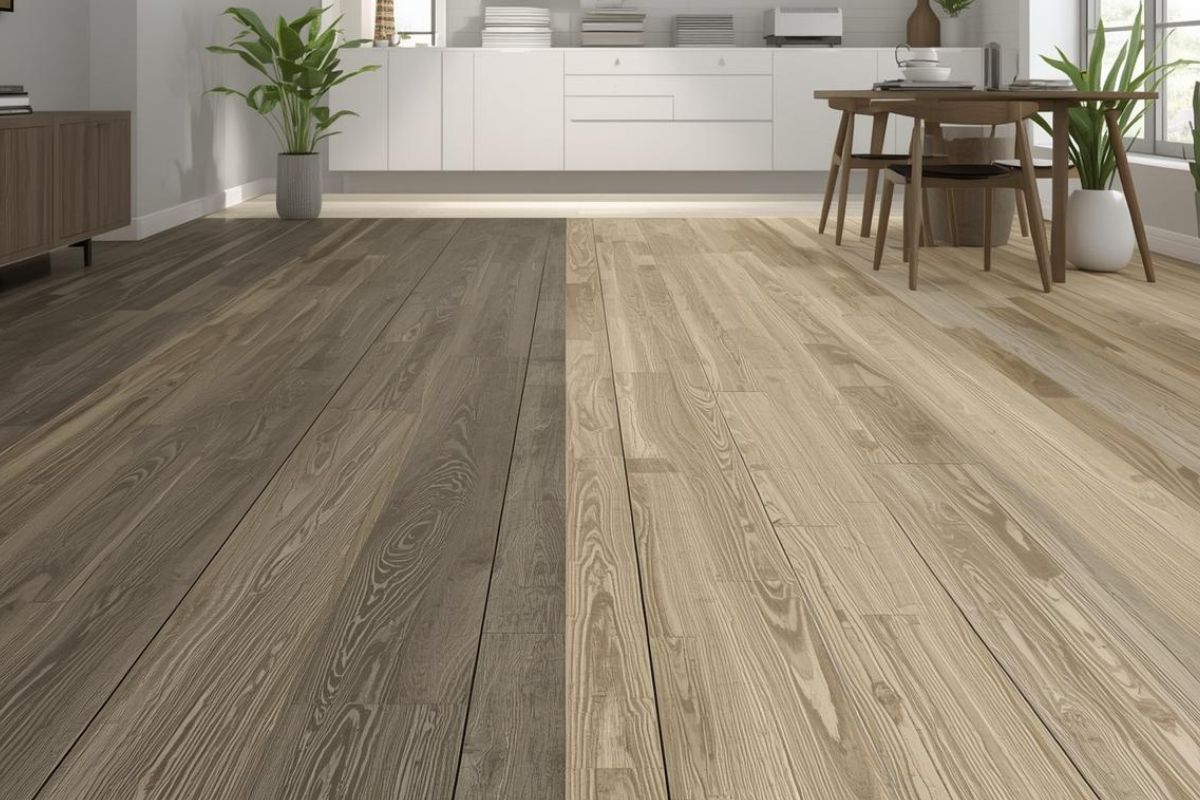
When it comes to choosing the right flooring for your home, the options can be overwhelming. From hardwood to laminate to tile, the possibilities are nearly endless. Two increasingly popular choices are vinyl flooring and hybrid flooring. Both offer durability, versatility, and aesthetic appeal, but they also have distinct differences that can impact your decision.
This guide will walk you through everything you need to know about vinyl and hybrid flooring so you can make an informed choice for your home.
What is Vinyl Flooring?
Vinyl flooring is a synthetic flooring material made primarily from polyvinyl chloride (PVC). It’s been a staple in residential and commercial spaces for decades, thanks to its affordability, durability, and low maintenance.
Types of Vinyl Flooring
- Sheet Vinyl: Comes in large sheets, creating a seamless look that is highly water-resistant.
- Vinyl Tiles (VCT and LVT): Individual tiles or planks that mimic natural materials like wood or stone.
- LVT (Luxury Vinyl Tile): Offers a more realistic look and often comes with a textured surface.
- VCT (Vinyl Composition Tile): Common in commercial spaces, durable but requires waxing.
Advantages of Vinyl Flooring
- Waterproof: Ideal for bathrooms, kitchens, and basements.
- Affordability: Less expensive than hardwood, tile, or stone.
- Easy Installation: Can be installed as a DIY project in many cases.
- Low Maintenance: Simple cleaning with a mop or vacuum.
- Variety: Available in endless designs, colors, and textures.
Disadvantages of Vinyl Flooring
- Susceptible to Damage: Can dent or scratch from heavy furniture.
- Not Eco-Friendly: Made from synthetic materials, though some brands offer recycled options.
- Shorter Lifespan: Typically lasts 10–20 years depending on quality and maintenance.
What is Hybrid Flooring?
Hybrid flooring is a newer type of flooring that combines the best features of laminate and vinyl. It is designed to look like real wood or stone but with enhanced durability and water resistance.
Structure of Hybrid Flooring
Hybrid flooring generally has three layers:
- Core Layer: Usually made of limestone composite (SPC – Stone Plastic Composite) or wood plastic composite (WPC), providing stability and rigidity.
- Design Layer: A high-resolution photographic layer that mimics wood, stone, or tile.
- Protective Top Layer: A wear layer with UV coating for scratch, stain, and water resistance.
Advantages of Hybrid Flooring
- Water-Resistant: Most hybrid floors are highly resistant to moisture, making them suitable for kitchens, bathrooms, and basements.
- Durable: Scratch-resistant and capable of withstanding heavy foot traffic.
- Realistic Appearance: Mimics the look and texture of natural wood or stone better than most vinyl options.
- Comfortable Underfoot: Slightly softer than vinyl, making it more comfortable for standing or walking for long periods.
- Easy Installation: Click-lock systems make installation relatively simple, even for DIY enthusiasts.
Disadvantages of Hybrid Flooring
- Cost: Generally more expensive than standard vinyl flooring.
- Not Completely Waterproof: While water-resistant, standing water over long periods can still cause issues.
- Limited Eco-Friendly Options: Some hybrid floors are not recyclable, though this is changing as sustainability trends grow.
Vinyl vs Hybrid Flooring: Key Differences
| Feature | Vinyl Flooring | Hybrid Flooring |
| Material | PVC | SPC/WPC composite with vinyl top |
| Appearance | Can mimic wood/stone but sometimes less realistic | Highly realistic wood/stone textures |
| Water Resistance | Waterproof | Water-resistant (some types almost waterproof) |
| Durability | Moderate, can dent/scratch | Highly durable, scratch-resistant |
| Comfort | Firmer underfoot | Slightly softer and more comfortable |
| Lifespan | 10–20 years | 15–30 years |
| Cost | Lower | Higher |
| Installation | Glue-down, click, or loose lay | Click-lock system, easy DIY |
| Maintenance | Low, mop and vacuum | Low, mop and vacuum |
Where to Use Vinyl vs Hybrid Flooring
- Vinyl Flooring is ideal for:
- Bathrooms
- Kitchens
- Laundry rooms
- Basements
- Budget-friendly renovations
- Hybrid Flooring is ideal for:
- Living rooms
- Bedrooms
- Hallways
- Kitchens (with moderate water exposure)
- High-traffic areas
Factors to Consider Before Choosing
- Budget: Vinyl is generally more affordable upfront, but hybrid flooring may last longer, offering better long-term value.
- Moisture Exposure: For areas with high water exposure, check the water resistance rating carefully.
- Foot Traffic: High-traffic areas benefit from the superior durability of hybrid flooring.
- Aesthetics: If you want the closest look to natural wood or stone, hybrid flooring typically wins.
- Installation Method: Consider whether you want a DIY-friendly click system or are hiring professionals for glue-down vinyl.
Maintenance Tips
- Vinyl Flooring: Sweep or vacuum regularly, mop with mild detergent, avoid harsh chemicals.
- Hybrid Flooring: Clean spills immediately, use a soft broom or vacuum, avoid steam cleaners which may damage the top layer.
Cost Comparison
| Flooring Type | Average Cost per sq. ft. | Lifespan | Maintenance Cost |
| Vinyl | $2–$5 | 10–20 years | Low |
| Hybrid | $4–$8 | 15–30 years | Low |
While hybrid flooring costs more upfront, its longer lifespan and durability often make it a better investment in the long run.
Conclusion
Both vinyl and hybrid flooring are excellent choices for modern homes, each with its unique benefits. Vinyl flooring is perfect for homeowners seeking a budget-friendly, waterproof, and low-maintenance solution. On the other hand, hybrid flooring is ideal for those looking for durability, realistic aesthetics, and comfort underfoot, even if it comes with a higher initial cost.
When making a decision, consider your budget, the area of installation, your lifestyle, and long-term maintenance plans. By weighing these factors carefully, you can choose a flooring solution that not only looks great but also meets your family’s needs for years to come. Contact flooring installer for better ideas and quote.