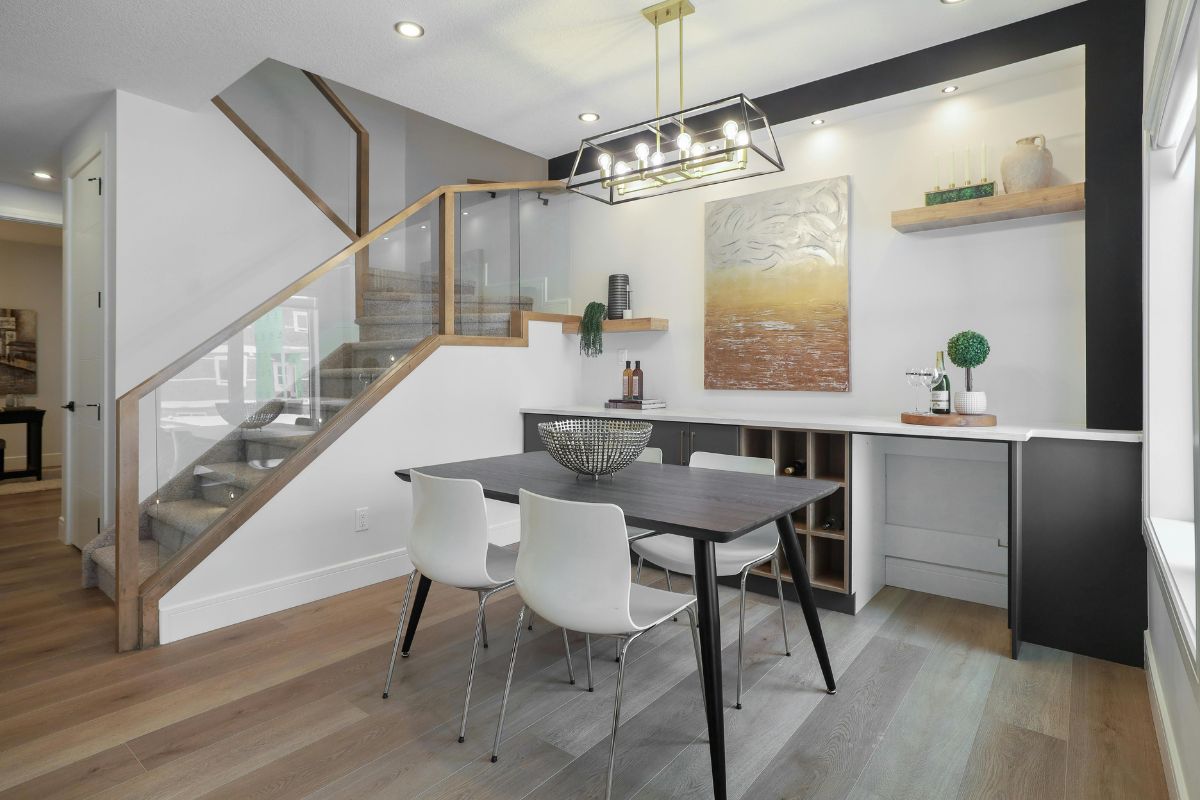
Choosing the right flooring for your apartment is more than just a design decision, it directly impacts comfort, durability, maintenance, and even property value. With so many options available in today’s market, selecting the perfect flooring can feel overwhelming. Whether you’re renovating, furnishing a new apartment, or upgrading a rental property, making the right choice requires careful consideration.
In this guide, we’ll walk you through everything you need to know to choose the best flooring for your apartment, from lifestyle needs to budget, durability, and aesthetics.
Why Apartment Flooring Choice Matters
Flooring is one of the most used and visible elements in any apartment. It sets the tone for the entire space while also handling daily wear and tear. A good flooring choice should:
- Enhance the overall interior design
- Be durable enough for everyday use
- Fit your budget and maintenance preferences
- Provide comfort and functionality
Choosing the wrong flooring can lead to higher maintenance costs, faster wear, and dissatisfaction in the long run.
Consider Your Lifestyle First
Before diving into materials and styles, think about how your apartment is used daily. Your lifestyle plays a huge role in determining the right flooring.
a. High Foot Traffic
If your apartment experiences a lot of movement, such as in living rooms, hallways, or shared spaces, you’ll need durable flooring like tiles or vinyl.
b. Pets and Kids
For households with pets or children, scratch-resistant and easy-to-clean flooring is essential. Avoid materials that stain easily or get damaged quickly.
c. Work-from-Home Setup
If you have a home office, comfort and noise reduction become important. Carpets or engineered wood can help create a quieter, more comfortable environment.
Types of Flooring Options For Apartments
Understanding different flooring types will help you make a better decision. Each material has its own advantages and limitations.
1. Hardwood Flooring
Hardwood flooring is a premium option known for its natural beauty and long lifespan.
Pros:
- Elegant and timeless look
- Increases property value
- Durable if maintained properly
Cons:
- Expensive
- Susceptible to moisture damage
- Requires regular maintenance
Hardwood works best in living rooms and bedrooms but may not be ideal for kitchens or bathrooms.
2. Laminate Flooring
Laminate flooring mimics the look of wood at a much lower cost.
Pros:
- Affordable
- Easy to install
- Scratch-resistant
Cons:
- Not waterproof
- Less durable than real wood
- Cannot be refinished
It’s a great option for budget-conscious apartment owners who still want a stylish appearance.
3. Vinyl Flooring
Vinyl flooring has become one of the most popular flooring choices due to its versatility and affordability.
Pros:
- Water-resistant or waterproof
- Low maintenance
- Comfortable underfoot
- Available in many designs
Cons:
- Can look less premium compared to wood
- May fade over time
Luxury vinyl planks (LVP) are especially popular for apartments due to their durability and realistic wood-like finish.
4. Tile Flooring
Tiles are highly durable and ideal for areas exposed to moisture.
Pros:
- Water-resistant
- Very durable
- Easy to clean
Cons:
- Hard and cold underfoot
- Can be slippery
- Installation cost can be high
Tiles are best suited for kitchens, bathrooms, and laundry areas.
5. Carpet Flooring
Carpets installation provide warmth and comfort, making them ideal for cozy spaces.
Pros:
- Soft and comfortable
- Good sound insulation
- Affordable options available
Cons:
- Difficult to clean
- Can trap dust and allergens
- Less durable in high-traffic areas
Carpets are usually preferred for bedrooms and living areas where comfort is a priority.
Room-by-Room Flooring Selection
Different rooms have different needs. Choosing the right flooring for each space ensures functionality and longevity.
- Living Room: This is the most used area in an apartment. Choose something durable and stylish like hardwood, laminate, or vinyl.
- Bedroom: Comfort is key here. Carpet or engineered wood works well to create a warm and relaxing environment.
- Kitchen: Since kitchens deal with spills and moisture, go for water-resistant options like tiles or vinyl.
- Bathroom: Waterproof flooring is a must. Tiles are the best choice for bathrooms due to their durability and resistance to moisture.
- Balcony: Outdoor areas require weather-resistant flooring such as outdoor tiles or treated wood.
Apartment Flooring Budget Considerations
Flooring costs can vary significantly depending on the material, installation, and maintenance.
a. Initial Cost vs Long-Term Value
While cheaper options like laminate or vinyl may save money upfront, investing in higher-quality flooring like hardwood can offer better long-term value.
b. Installation Costs
Some flooring types, like tiles and hardwood, require professional installation, which can increase costs. Others, like laminate and vinyl, can be DIY-friendly.
c. Maintenance Costs
Consider how much time and money you’re willing to spend on maintenance. Low-maintenance options like vinyl and tiles are ideal for busy lifestyles.
Apartment Flooring Durability and Maintenance
Durability is one of the most important factors when selecting flooring.
- High durability: Tiles, vinyl, hardwood
- Moderate durability: Laminate
- Low durability: Carpet
Also, consider maintenance:
- Easy maintenance: Vinyl, tiles
- Moderate maintenance: Laminate
- High maintenance: Hardwood, carpet
Choosing flooring that aligns with your maintenance preferences will save you time and effort.
Flooring Style and Aesthetics
Flooring plays a major role in defining the look and feel of your apartment.
- Color Selection
- Light colors make spaces look bigger and brighter
- Dark colors add warmth and elegance
- Texture and Finish
- Matte finishes give a modern look
- Glossy finishes reflect light and create a luxurious feel
- Matching Interior Design: Ensure your flooring complements your furniture, wall colors, and overall theme.
Soundproofing Considerations
Apartments often require attention to noise levels, especially in multi-story buildings.
- Carpets are excellent for sound insulation
- Vinyl and laminate may require underlayment to reduce noise
- Hardwood can be noisy without proper insulation
If noise reduction is important, consider adding rugs or acoustic underlays.
Environmental Impact
If sustainability matters to you, consider eco-friendly flooring options.
- Bamboo and cork are renewable materials
- Engineered wood uses fewer natural resources
- Look for low-VOC (volatile organic compounds) products
Choosing environmentally friendly flooring can improve indoor air quality and reduce your carbon footprint.
Tips for Making the Final Decision
Choosing flooring doesn’t have to be complicated. Keep these tips in mind:
- Always request samples before making a final decision
- Consider your long-term needs, not just current trends
- Balance style with practicality
- Consult professionals if needed
- Think about resale value if you plan to sell or rent the apartment
Common Mistakes to Avoid When Selecting Flooring for an Apartment
Many people make avoidable mistakes when selecting flooring for an apartment. Here are a few to watch out for:
- Choosing style over durability
- Ignoring moisture resistance in kitchens and bathrooms
- Not considering maintenance requirements
- Overlooking sound insulation
- Underestimating installation costs
Avoiding these mistakes can save you money and frustration in the long run.
Conclusion
Selecting the right flooring for your apartment is a crucial decision that affects both functionality and aesthetics. By considering your lifestyle, budget, room requirements, and maintenance preferences, you can find a flooring option that meets your needs perfectly.
Whether you prefer the elegance of hardwood, the affordability of laminate, or the practicality of vinyl, the key is to make an informed decision. Take your time, explore your options, and choose flooring that enhances your living space for years to come.
A well-chosen floor doesn’t just support your home, it transforms it.