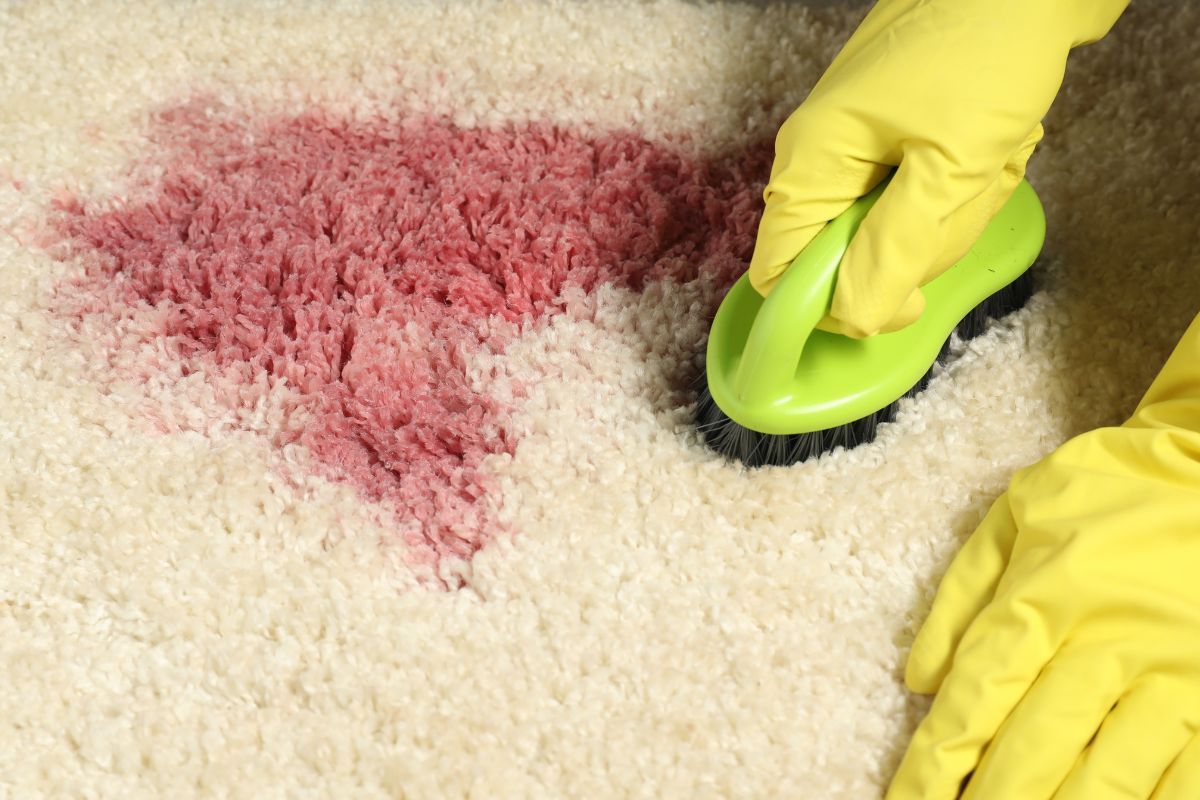
Few household accidents cause as much panic as spilling red wine on a carpet. One moment you’re enjoying a glass of wine, and the next you’re staring at a bright red stain spreading across your flooring. Because red wine contains powerful pigments and tannins, it can quickly penetrate carpet fibres and become difficult to remove if not treated promptly.
The good news is that a red wine spill doesn’t always mean permanent damage. With the right cleaning methods and a quick response, many red wine stains can be significantly reduced or completely removed.
In this guide, we’ll explain how to remove red wine stains from carpet, what cleaning solutions work best, and when it may be time to call a professional carpet cleaner.
Why Red Wine Stains Are So Difficult to Remove
Red wine contains natural dyes called anthocyanins, along with tannins that bind strongly to fabrics and carpet fibres. These compounds are responsible for the deep red colour and are also the reason red wine stains can be stubborn.
The longer the wine remains in the carpet, the more time it has to soak into the fibres and backing. This is why immediate action is essential for achieving the best possible result.
Step 1: Act Quickly
The sooner you begin cleaning, the greater your chances of removing the stain completely.
As soon as the spill occurs:
- Grab clean paper towels or a white cloth.
- Blot the stain gently.
- Work from the outside toward the centre.
- Absorb as much liquid as possible.
Avoid rubbing the stain. Rubbing can spread the wine further into the carpet and damage the fibres.
Continue blotting until little or no liquid transfers to the cloth.
Step 2: Apply Cold Water
Once you’ve removed as much wine as possible, pour a small amount of cold water onto the stained area.
Cold water helps dilute the remaining wine and prevents it from setting deeper into the carpet.
Blot again with a clean cloth to absorb the diluted wine.
Repeat this process several times if necessary.
Step 3: Use a Mild Dishwashing Solution
A simple cleaning solution can often be effective for fresh red wine stains.
Mix:
- One tablespoon of mild dishwashing liquid
- Two cups of warm water
Using a clean cloth:
- Dab the solution onto the stain.
- Allow it to sit for a few minutes.
- Blot gently.
- Repeat until the stain begins to lift.
Avoid oversaturating the carpet, as excessive moisture can cause mould or damage the carpet backing.
Step 4: Try White Vinegar and Water
White vinegar is a popular household remedy for wine stains because it helps neutralise pigments.
Create a solution using:
- One part white vinegar
- One part water
Apply lightly to the stained area and blot with a clean towel.
The vinegar helps break down the stain while reducing lingering odours.
Step 5: Apply Baking Soda
For stubborn stains, baking soda can provide additional stain-lifting power.
After treating the stain with water or vinegar:
- Sprinkle baking soda generously over the damp area.
- Allow it to sit for several hours or overnight.
- Vacuum thoroughly once dry.
Baking soda helps absorb moisture and can assist in lifting residual staining.
What About Salt?
Many people recommend covering fresh wine spills with salt.
Salt can absorb liquid while the stain is still wet and may reduce the spread of the spill. However, it should not be considered a complete stain-removal solution.
If using salt:
- Apply immediately after blotting.
- Allow it to absorb the moisture.
- Vacuum thoroughly once dry.
- Follow up with proper cleaning methods.
How to Remove Dried Red Wine Stains
Older stains can be more challenging but are not necessarily permanent.
For dried stains:
- Lightly dampen the area with warm water.
- Apply a carpet-safe cleaning solution.
- Allow the cleaner time to penetrate the fibres.
- Blot repeatedly.
Several treatments may be required before noticeable improvement occurs.
Commercial carpet stain removers designed specifically for wine stains can also be effective when used according to manufacturer instructions.
Mistakes to Avoid
When attempting to remove red wine stains, avoid these common errors:
- Rubbing the Stain: Rubbing can force the wine deeper into the carpet and spread the affected area.
- Using Hot Water: Hot water may cause the stain to set more firmly into the fibres.
- Overwetting the Carpet: Excessive moisture can damage carpet backing and encourage mould growth.
- Using Bleach: Bleach can permanently damage carpet fibres and remove colour from the surrounding area.
- Delaying Treatment: The longer a stain remains untreated, the more difficult it becomes to remove.
When to Call a Professional Carpet Cleaner
While many fresh wine stains can be treated successfully at home, professional carpet cleaning may be the best solution if:
- The stain has dried for an extended period.
- Home remedies have failed.
- The carpet is expensive or delicate.
- The spill covers a large area.
- The stain has penetrated deep into the carpet backing.
Professional carpet cleaners use specialised equipment, stain-removal products, and extraction methods designed to remove stubborn stains safely and effectively.
In many cases, professional treatment can restore carpets that appear permanently stained.
Preventing Future Wine Stains
Accidents happen, but a few precautions can help protect your carpet.
Consider:
- Using rugs in entertaining areas.
- Applying carpet stain protection treatments.
- Keeping cleaning supplies nearby during gatherings.
- Addressing spills immediately.
Quick action remains the most effective defence against permanent staining.
Final Thoughts
Red wine stains can be alarming, but they don’t always have to be permanent. By acting quickly, blotting rather than rubbing, and using appropriate cleaning solutions, many wine spills can be successfully removed from carpet.
For older or particularly stubborn stains, professional carpet cleaning services in Sydney may provide the best chance of restoring your carpet’s appearance.
The key is simple: the sooner you treat a red wine stain, the easier it will be to remove and the better your chances of keeping your carpet looking its best.