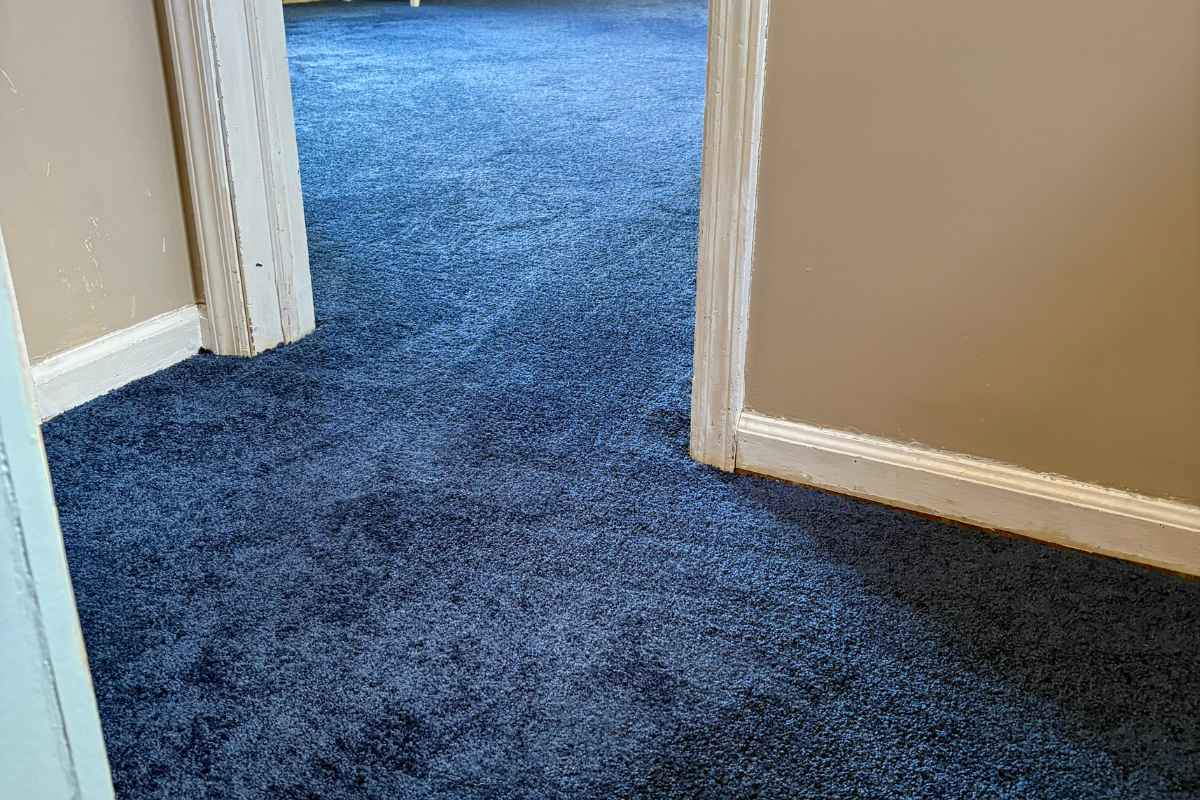
Installing new carpet can completely transform the appearance and comfort of your home. A fresh carpet adds warmth, improves insulation, enhances interior design, and creates a more comfortable living environment. However, newly installed carpet requires proper care and protection to maintain its quality, appearance, and lifespan.
Many homeowners assume that new carpet does not need much maintenance because it is clean and unused. However, the first few weeks after installation are important. Taking the right steps early can prevent stains, damage, flattening, and premature wear.
Allow Your Carpet to Settle After Installation
After your carpet installation is complete, it is important to allow the carpet time to settle properly. Avoid placing heavy furniture immediately unless necessary. Heavy objects can leave permanent marks or prevent the carpet fibres from returning to their natural position.
If you need to move furniture back into the room, consider placing protective pads underneath furniture legs. These pads help distribute weight evenly and reduce pressure on the carpet.
Your carpet installer may also provide specific recommendations based on the carpet type, so following professional advice can help protect your investment.
Keep Shoes Off the New Carpet
One of the easiest ways to protect newly installed carpet is by creating a no-shoes policy inside your home.
Shoes can bring dirt, dust, mud, oils, and outdoor contaminants onto your carpet fibres. Even if the carpet looks clean, small particles can become trapped deep inside and cause gradual wear.
Encourage family members and guests to remove shoes before walking on the carpet. Using indoor slippers or socks can significantly reduce the amount of dirt introduced into your carpet.
Use Entrance Mats and Rugs
High-traffic areas are more likely to experience dirt buildup and wear. Placing quality mats at entrances can help prevent outdoor dirt from reaching your new carpet.
Rugs are also useful for protecting areas that receive frequent foot traffic, such as:
- Hallways
- Living rooms
- Doorways
- Areas near sofas and tables
Choose rugs with suitable backing to prevent slipping and avoid materials that may damage carpet fibres.
Vacuum Regularly from the Beginning
Many homeowners wait until their carpet looks dirty before vacuuming, but regular vacuuming should begin soon after installation.
Dust and small particles can settle between carpet fibres. Over time, these particles act like tiny abrasive materials that damage fibres and make carpets appear dull.
For newly installed carpet:
- Vacuum gently during the first few weeks
- Use a vacuum cleaner suitable for your carpet type
- Avoid aggressive settings that may pull fibres
Regular vacuuming keeps your carpet looking fresh and helps extend its lifespan.
Protect Carpet During Home Renovations
If you are completing renovations, painting, moving furniture, or carrying out repairs after installing carpet, protect your flooring carefully.
Construction dust, paint, chemicals, and heavy equipment can permanently damage carpet.
Use protective coverings such as:
- Plastic carpet protection films
- Drop sheets
- Temporary floor coverings
Avoid placing protective materials on the carpet for extended periods without checking underneath, as moisture can become trapped and create mould issues.
Clean Spills Immediately
Accidents happen, but quick action can prevent permanent stains. Newly installed carpets are easier to maintain when spills are addressed immediately.
When something spills:
- Blot the area using a clean cloth
- Avoid rubbing, as this pushes liquid deeper into fibres
- Use a suitable carpet cleaning solution
- Allow the area to dry completely
Different carpet materials require different cleaning methods, so always check manufacturer recommendations before using products.
Maintain Indoor Air Quality
Dust and moisture can affect the condition of your carpet. Keeping your home well ventilated helps prevent moisture-related issues.
Simple steps include:
- Opening windows when possible
- Using exhaust fans in humid areas
- Maintaining comfortable indoor humidity levels
A dry and clean environment helps protect carpet fibres and prevents unpleasant odours.
Schedule Professional Carpet Cleaning
Even with regular maintenance, professional carpet cleaning is essential for long-term protection.
Professional cleaners use specialised equipment to remove deep dirt, allergens, and stains that normal vacuuming cannot reach.
Depending on your household conditions, professional carpet cleaning may be recommended every 12 to 18 months. Homes with children, pets, or heavy foot traffic may require more frequent cleaning.
Protect Your Carpet from Sun Damage
Direct sunlight can cause carpet colours to fade over time. Rooms with large windows may experience uneven fading if carpets are exposed to strong sunlight regularly.
To reduce sun damage:
- Use curtains or blinds during peak sunlight hours
- Install window coverings with UV protection
- Rearrange furniture occasionally to prevent uneven fading
Conclusion
New carpet is a valuable investment that improves the comfort and style of your home. Protecting it from the beginning ensures it stays beautiful and performs well for many years.
Simple habits such as removing shoes, vacuuming regularly, cleaning spills quickly, protecting carpet during renovations, and arranging professional cleaning can significantly extend your carpet’s lifespan.
With the right care and maintenance, your newly installed carpet can continue providing comfort, warmth, and visual appeal for years to come.