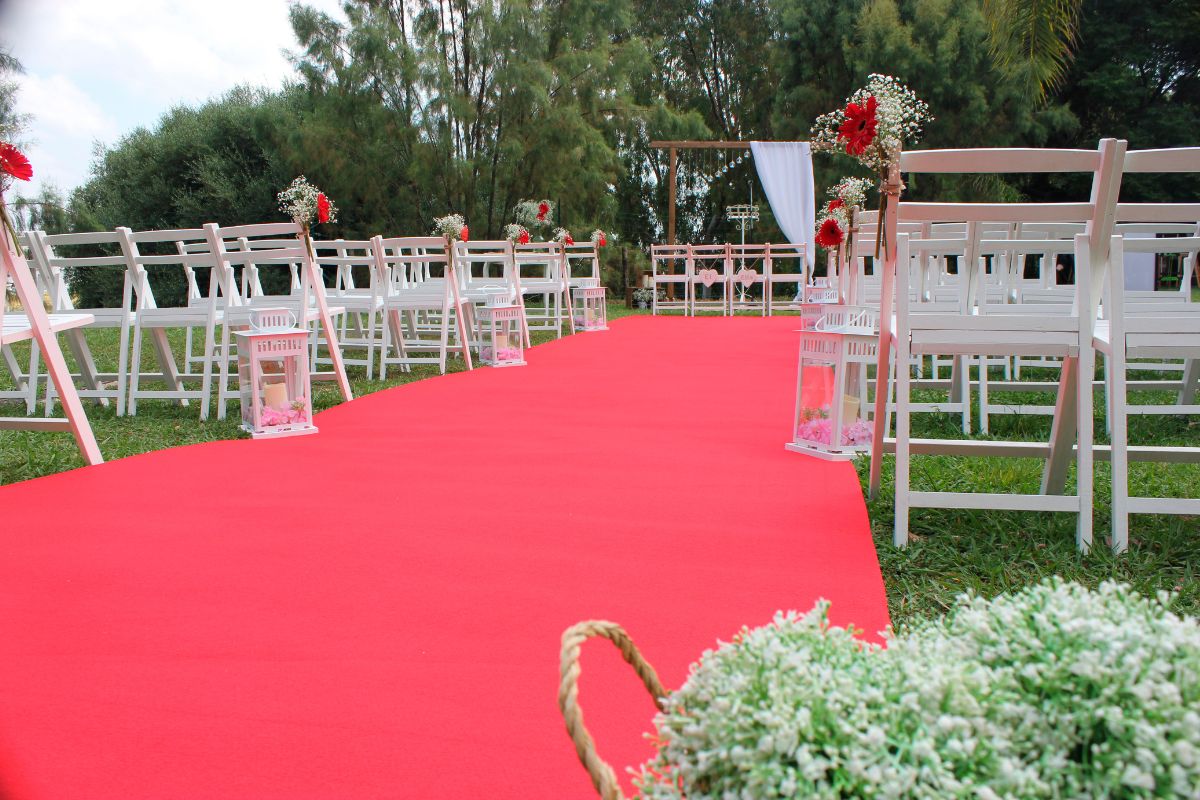
Outdoor carpet is an excellent way to transform a plain concrete patio, balcony, porch, or pool area into a more comfortable and stylish outdoor living space. It adds texture, improves safety by reducing slips, and creates a warm, inviting atmosphere for family and guests. The good news is that installing outdoor carpet on concrete is a manageable DIY project that most homeowners can complete with the right tools and preparation.
In this guide, you’ll learn everything you need to know about installing outdoor carpet on concrete, from surface preparation to finishing touches.
Why Choose Outdoor Carpet for Concrete?
Concrete surfaces are durable, but they can feel cold, hard, and unattractive. Outdoor carpet provides several benefits, including:
- Improved comfort underfoot
- Better traction and slip resistance
- Protection for concrete surfaces
- Enhanced appearance for patios and decks
- Resistance to mold, mildew, and weather damage
Modern outdoor carpets are designed to withstand moisture, sunlight, and heavy foot traffic, making them ideal for exterior applications.
Tools and Materials You’ll Need
Before starting the installation, gather the following supplies:
- Outdoor carpet
- Outdoor carpet adhesive or double-sided carpet tape
- Utility knife
- Measuring tape
- Chalk line
- Trowel
- Broom or vacuum
- Concrete cleaner
- Roller or carpet seam roller
- Straight edge or ruler
- Safety gloves
Having all materials ready beforehand will make the installation process smoother and faster.
Step 1: Measure the Concrete Area
The first step is to accurately measure the area where the carpet will be installed. Use a measuring tape to determine the length and width of the concrete surface.
Add a few extra inches to your measurements to allow for trimming and adjustments during installation. If your area has unusual shapes or curves, sketch a simple layout to help calculate the carpet size needed.
Proper measurements help reduce waste and ensure a professional-looking finish.
Step 2: Choose the Right Outdoor Carpet
Not all carpets are suitable for outdoor use. Choose a carpet specifically labeled for exterior or marine applications. Outdoor carpets are typically made from synthetic materials like polypropylene or olefin, which resist moisture and fading.
When selecting outdoor carpet, consider:
- Color and style
- UV resistance
- Water resistance
- Thickness and texture
- Ease of cleaning
Low-pile carpets are often easier to maintain and better suited for high-traffic areas.
Step 3: Prepare the Concrete Surface
Surface preparation is one of the most important parts of the installation process. Outdoor carpet adheres best to clean, dry, and smooth concrete.
Clean the Concrete Thoroughly
Sweep away dirt, leaves, and debris. Then scrub the concrete using a concrete cleaner and water to remove grease, stains, or mildew. Rinse thoroughly and allow the surface to dry completely.
Moisture trapped under the carpet can lead to mold and adhesive failure, so ensure the concrete is fully dry before moving forward.
Repair Cracks and Uneven Areas
Inspect the concrete for cracks, holes, or rough spots. Use a concrete patching compound to repair damaged areas. Smooth out bumps or uneven surfaces to create a level foundation.
Allow repairs to cure according to the manufacturer’s instructions before installing the carpet.
Step 4: Dry Fit the Carpet
Before applying adhesive, roll out the outdoor carpet over the concrete surface. This process is called dry fitting.
Position the carpet carefully and ensure it covers the entire area evenly. Let the carpet sit in the sun for about 30 minutes if possible. This helps relax any wrinkles or folds from packaging.
Trim excess material around edges using a utility knife, leaving a small amount for final adjustments.
Dry fitting allows you to identify any alignment issues before permanent installation.
Step 5: Apply Adhesive or Carpet Tape
There are two common methods for attaching outdoor carpet to concrete:
Using Outdoor Carpet Adhesive
Outdoor adhesive provides a strong, permanent bond and is ideal for larger areas.
To apply adhesive:
- Fold back half of the carpet.
- Spread adhesive evenly onto the concrete using a notched trowel.
- Carefully roll the carpet back into place.
- Repeat the process for the other half.
Work slowly to avoid air bubbles or wrinkles.
Using Double-Sided Carpet Tape
Carpet tape is quicker and easier for smaller patios or temporary installations.
Apply tape around the perimeter and in a grid pattern across the concrete. Peel off the backing and press the carpet firmly into place.
Although tape is convenient, adhesive generally offers better long-term durability.
Step 6: Smooth and Secure the Carpet
Once the carpet is in position, use your hands or a carpet roller to smooth the surface. Push out any trapped air bubbles and ensure the carpet fully contacts the adhesive.
Pay special attention to edges and corners, as these areas are more likely to lift over time.
If installing multiple carpet sections, align seams carefully for a clean appearance.
Step 7: Trim Excess Carpet
After the carpet is secured, use a sharp utility knife and straight edge to trim excess material along the edges.
Take your time during this step to create clean, straight cuts. Neatly trimmed edges improve the overall appearance and reduce the risk of fraying.
For stairs or curved surfaces, make small, precise cuts for a better fit.
Step 8: Allow the Adhesive to Cure
If you used adhesive, allow it to cure fully before placing furniture or walking heavily on the carpet. Drying times vary depending on the product and weather conditions.
Most outdoor carpet adhesives require at least 24 hours to set properly.
Avoid exposing the area to rain or excessive moisture during the curing process.
Maintenance Tips for Outdoor Carpet
Proper maintenance helps extend the life of your outdoor carpet and keeps it looking fresh.
Here are a few simple maintenance tips:
- Sweep regularly to remove dirt and debris
- Rinse occasionally with a garden hose
- Clean stains immediately
- Avoid standing water buildup
- Use outdoor furniture pads to reduce wear
Many outdoor carpets are mold and mildew resistant, but regular cleaning still helps maintain their appearance.
Common Mistakes to Avoid
When installing outdoor carpet on concrete, avoid these common errors:
- Skipping surface preparation
- Installing over wet concrete
- Using indoor carpet outdoors
- Applying too much adhesive
- Ignoring uneven concrete surfaces
Taking time to prepare properly will lead to a more durable and professional-looking result.
Final Thoughts
Installing outdoor carpet on concrete is a practical and affordable way to upgrade your outdoor space. With the right preparation, tools, and installation method, you can create a comfortable and attractive area that lasts for years.
Whether you’re updating a patio, porch, balcony, or pool deck, outdoor carpet offers both style and functionality. By following these simple steps, even beginners can achieve professional-looking results and enjoy a more inviting outdoor living area.