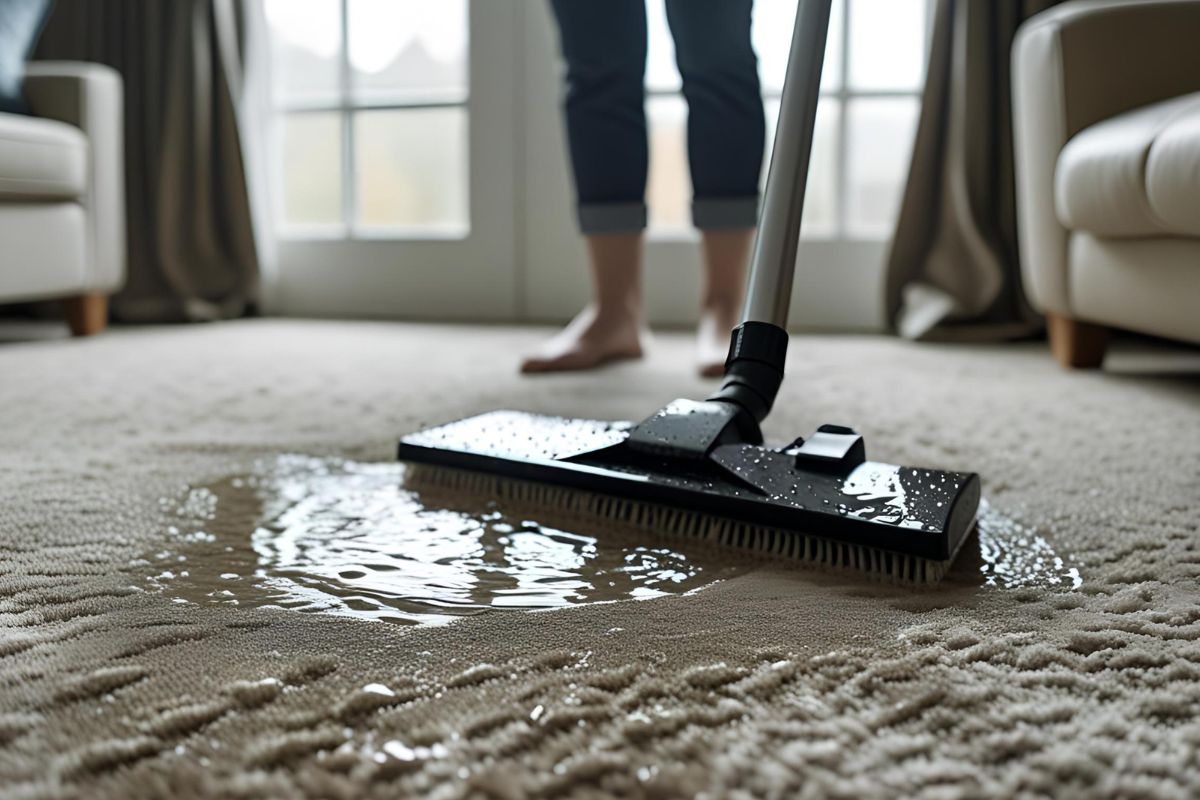
A wet carpet can be a homeowner’s nightmare, whether caused by a spill, flood, or plumbing issue. If not addressed promptly, it can lead to mold growth, unpleasant odors, and costly damage. Drying a wet carpet requires quick action, the right tools, and a systematic approach. In this comprehensive guide, we’ll walk you through the steps to effectively dry a wet carpet, prevent further damage, and restore your space to its original condition.
Why Drying Wet Carpet Is Critical
Before diving into the how-to, it’s important to understand why drying a wet carpet is so urgent. Water trapped in carpets can:
- Promote Mold and Mildew Growth: Mold can begin growing within 24–48 hours in a damp environment, posing health risks and damaging your carpet.
- Cause Structural Damage: Prolonged moisture can weaken carpet fibers, padding, and even the subfloor.
- Create Odors: Wet carpets can develop musty smells that are difficult to eliminate if not dried properly.
- Attract Pests: Damp areas can become breeding grounds for insects and other pests.
Acting quickly and thoroughly is key to minimizing these risks. Let’s explore the step-by-step process to dry a wet carpet effectively.
Step 1: Assess the Situation
The first step is to determine the extent of the water damage and the source of the water. This will guide your approach to drying and whether professional help is needed. Consider the following:
- Source of Water: Is it clean water (e.g., from a burst pipe), gray water (e.g., from a washing machine leak), or black water (e.g., from sewage)? Clean water is safer to handle yourself, while gray or black water may require professional intervention due to contamination risks.
- Extent of Damage: Is the wet area small (e.g., a spill) or large (e.g., a flood)? Small areas can often be managed at home, but extensive flooding may need professional equipment.
- Time Elapsed: If the carpet has been wet for more than 48 hours, mold may already be forming, requiring more aggressive action.
Once you’ve assessed the situation, gather the necessary tools and materials.
Step 2: Gather Your Tools and Materials
To dry a wet carpet effectively, you’ll need:
- Wet/Dry Vacuum: For extracting water from the carpet.
- Fans: Box fans, pedestal fans, or high-velocity air movers to promote airflow.
- Dehumidifier: To reduce moisture in the air and speed up drying.
- Towels or Rags: For blotting up excess water.
- Buckets or Containers: To collect water if necessary.
- Mild Detergent or Carpet Cleaner: For cleaning the carpet after drying, if needed.
- Disinfectant: For sanitizing, especially if the water is contaminated.
- PPE (Personal Protective Equipment): Gloves, masks, and boots if dealing with gray or black water.
Having these tools ready will make the process smoother and more efficient.
Step 3: Remove Excess Water
The goal here is to remove as much water as possible from the carpet and padding before drying begins.
- Blot Small Areas: For minor spills, use clean towels or rags to blot the wet area. Press down firmly to absorb water, working from the outside in to avoid spreading the moisture.
- Use a Wet/Dry Vacuum: For larger areas, a wet/dry vacuum (commonly called a shop vac) is essential. Run the vacuum over the wet carpet, focusing on the most saturated areas. Empty the vacuum’s tank frequently to maintain suction power.
- Lift Furniture: Move furniture off the carpet to prevent water trapping and rust stains. If furniture must remain, place foil or plastic under the legs to create a barrier.
If the carpet is soaked through to the padding or subfloor, you may need to pull up the carpet to dry the layers underneath. Use a flathead screwdriver or pliers to gently lift the carpet from the tack strips at the edges.
Step 4: Dry the Carpet and Surrounding Area
Once excess water is removed, focus on drying the carpet thoroughly to prevent mold and mildew.
- Increase Air Circulation: Set up fans around the room to blow air across the carpet. Position them at different angles to ensure even airflow. Open windows and doors if the weather is dry to promote ventilation.
- Use a Dehumidifier: Place a dehumidifier in the room to pull moisture from the air. This is especially important in humid climates or enclosed spaces. Empty the dehumidifier’s water tank regularly.
- Lift the Carpet (if needed): If the padding or subfloor is wet, lift the carpet and place fans underneath to dry both sides. You can prop the carpet up with blocks or crates to allow air to circulate.
- Dry the Subfloor: If water has reached the subfloor, use a wet/dry vacuum to remove standing water, then run fans and a dehumidifier to dry it completely. Wooden subfloors may require extra time to prevent warping.
Drying can take anywhere from a few hours for small spills to several days for extensive flooding. Check the carpet and subfloor daily for dampness using your hand or a moisture meter.
Step 5: Clean and Sanitize
After the carpet is dry, cleaning and sanitizing are crucial to remove any contaminants and prevent odors.
- Vacuum the Carpet: Use a regular vacuum to remove dirt and debris loosened during the drying process.
- Clean with a Carpet Cleaner: For clean water damage, use a mild detergent or carpet shampoo with a carpet cleaning machine or scrub brush. Follow the product instructions carefully.
- Sanitize if Necessary: If the water was gray or black, apply a disinfectant suitable for carpets (e.g., a diluted bleach solution, 1 part bleach to 10 parts water, for non-colored carpets). Test in a small area first to avoid discoloration.
- Address Odors: If a musty smell persists, sprinkle baking soda over the carpet, let it sit for a few hours, then vacuum it up. Alternatively, use a commercial odor eliminator designed for carpets.
Step 6: Inspect for Mold and Damage
Once the carpet is dry and clean, inspect it for signs of mold or damage:
- Look for Mold: Check for black, green, or white spots on the carpet or padding. A musty odor is also a sign of mold growth.
- Check the Padding: If the padding feels spongy or smells bad, it may need to be replaced, as padding is harder to dry completely.
- Inspect the Subfloor: Look for warping, discoloration, or soft spots in wooden subfloors, which may indicate water damage.
If you find mold or extensive damage, consult a professional restoration company, as these issues can be hazardous and difficult to resolve without specialized equipment.
Step 7: Reinstall the Carpet
If you lifted the carpet, reattach it to the tack strips once everything is fully dry. Stretch the carpet gently to ensure it lies flat, and secure it under the baseboards. If the padding is damaged, replace it with new padding of the same thickness before reinstalling the carpet. Or contact a carpet installer in Sydney.
When to Call a Professional
While small wet areas can often be handled at home, certain situations require professional help:
- Large-Scale Flooding: If the water damage covers a large area or multiple rooms, professional-grade equipment like industrial air movers and dehumidifiers may be necessary.
- Contaminated Water: Gray or black water requires specialized cleaning and safety precautions.
- Mold Growth: If mold is already present, professionals can safely remove it and prevent further spread.
- Structural Damage: If the subfloor or walls are damaged, a restoration expert can assess and repair the damage.
To find a reputable professional, look for certified water damage restoration companies (e.g., those certified by the Institute of Inspection, Cleaning and Restoration Certification, or IICRC).
Preventing Future Water Damage
Once your carpet is dry and restored, take steps to prevent future issues:
- Fix Leaks Promptly: Regularly inspect plumbing, appliances, and roofs for leaks.
- Use Mats and Rugs: Place mats in high-traffic or spill-prone areas to protect the carpet.
- Install a Sump Pump: In flood-prone areas, a sump pump can prevent water from entering your home.
- Monitor Humidity: Use a dehumidifier in basements or humid areas to keep moisture levels low.
Conclusion
Drying a wet carpet is a time-sensitive task that requires prompt action and the right approach. By assessing the damage, removing excess water, drying thoroughly, and cleaning properly, you can save your carpet and prevent long-term issues like mold and odors. For minor spills, the steps outlined above should suffice, but don’t hesitate to call a professional for extensive damage or contaminated water. With quick action and proper care, your carpet can be restored to its original condition, keeping your home safe and comfortable.