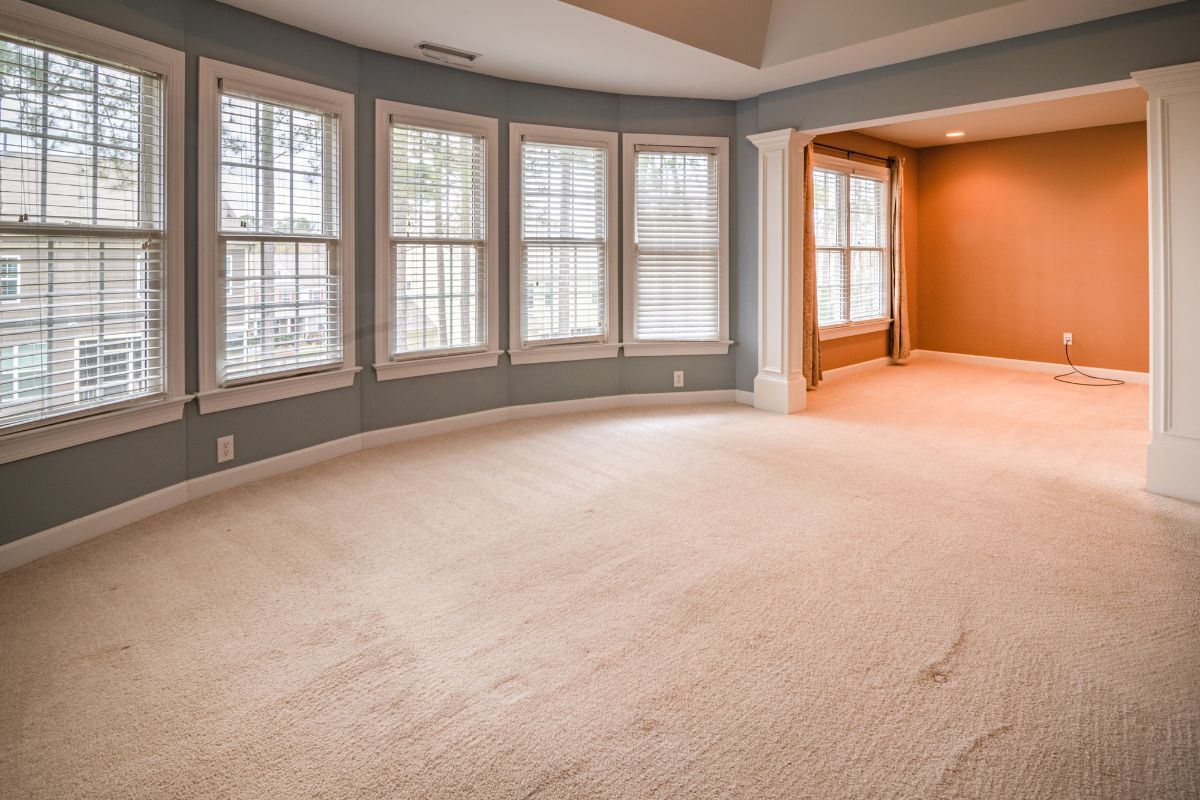
Carpets can completely transform a room. It adds warmth, comfort, insulation, and style while making bedrooms, living rooms, offices, and family spaces feel more inviting. But before you choose colors, textures, or patterns, there’s one important question you need to answer:
How much carpet do I need?
Many homeowners worry about ordering too little carpet and running short during installation. Others order far too much and end up wasting money on unnecessary materials. The good news is that measuring for carpet is easier than most people think.
This comprehensive guide will walk you through everything you need to know about measuring carpet accurately, understanding carpet sizing, accounting for waste, and avoiding costly mistakes.
Why Accurate Carpet Measurements Matter
Before diving into the measuring process, it helps to understand why precision matters.
Correct carpet measurements help you:
- Stay within budget
- Avoid material shortages
- Reduce waste
- Ensure smooth installation
- Compare quotes accurately
- Plan underlay and accessories correctly
Even a small measuring error can lead to major problems during installation. Since carpet is typically sold in rolls of fixed widths, accurate calculations are essential.
Understanding How Carpet Is Sold
Unlike tiles or timber flooring, carpet is not usually sold by individual square pieces. Instead, it comes in large rolls with standard widths.
The most common carpet roll widths are:
- 3.66 meters (12 feet)
- 4 meters
- 5 meters
This means your room dimensions must fit within those widths or require seams where two pieces join together.
For example: If your room measures 4.5m wide, a 4m roll will not cover the space in one piece. You may need a seam or a wider roll.
This is why professional carpet estimators often calculate differently from simple room square meter totals.
Tools You Need Before Measuring
Measuring carpet doesn’t require fancy equipment. You only need a few basic tools:
- Tape measure
- Notepad or measuring sheet
- Pencil or pen
- Calculator
- Graph paper (optional)
- Smartphone camera (helpful for reference photos)
Laser measures can also speed up the process for larger homes.
Step-by-Step Guide to Measuring Carpet
Step 1: Measure the Length of the Room
Start at one wall and measure straight across to the opposite wall.
Measure:
- Along the floor
- Wall to wall
- At the longest point
Always record measurements in the same unit (meters or feet).
Example:
Room length = 5.2 meters
Step 2: Measure the Width
Now measure the room’s width from wall to wall.
Example:
Room width = 4.1 meters
Step 3: Calculate the Area
Multiply the room length by the width.
Example:
A = l \times w
So:
5.2 × 4.1 = 21.32 square meters
This gives you the basic carpet area.
Add Extra for Waste and Trimming
Never order carpet using exact room measurements alone.
Professional installers usually add:
- 5% for simple rooms
- 10% for complex layouts
- More for patterned carpets
Why?
Because carpet must be:
- Trimmed at edges
- Matched at seams
- Adjusted around corners
- Fitted around wardrobes or stairs
Example:
21.32 sqm + 10% waste = 23.45 sqm
Rounded up, you may need about 24 square meters of carpet.
How to Measure Different Room Shapes
Not every room is a perfect rectangle. Here’s how to measure more complicated spaces.
1. Measuring Square or Rectangular Rooms
This is the easiest layout.
Simply use:
A = l \times w
Example:
- Length = 4m
- Width = 3m
Area = 12 sqm
2. Measuring L-Shaped Rooms
Break the room into two rectangles.
Measure each section separately, then add them together.
Example:
Section A:
- 4m × 3m = 12 sqm
Section B:
- 2m × 2m = 4 sqm
Total:
12 + 4 = 16 sqm
This method improves accuracy and reduces waste.
3. Measuring Hallways
Hallways are usually narrow but long.
Measure:
- Total length
- Widest section
Remember to include:
- Doorways
- Alcoves
- Closets
Because hallways experience heavy traffic, many homeowners choose durable, stain-resistant carpet types.
4. Measuring Stairs for Carpet
Stairs are often the trickiest area to estimate.
Each stair includes:
- Tread (horizontal step)
- Riser (vertical front)
Measure both parts together.
Typical stair allowance:
- About 45–50 cm per stair
Then multiply by the number of stairs.
Example:
14 stairs × 0.5m = 7 meters of carpet length
Don’t forget landings.
5. Measuring Open-Plan Areas
Open-plan homes may include:
- Living room
- Dining room
- Kitchen transitions
Measure each zone carefully.
You may need to decide whether you want:
- One continuous carpet section
- Separate room sections
Continuous installations often look more seamless but may require more materia
Should You Measure Closets?
Yes.
Closets, wardrobes, and built-in spaces should be measured separately unless excluded from installation.
Small areas still require material and trimming.
Understanding Carpet Direction and Pile
Carpet has a directional texture called the pile.
The pile direction affects:
- Appearance
- Light reflection
- Room consistency
All carpet pieces in connected areas should generally run in the same direction.
This can increase material requirements because installers may need extra carpet to align the pile correctly.
Patterned Carpet Requires More Material
Patterned carpet often needs additional carpet for matching designs across seams.
Large repeating patterns may require:
- Extra cuts
- Alignment adjustments
- Additional waste allowance
Some patterned carpets need up to 15% extra material.
Always check the pattern repeat specifications before ordering.
Common Carpet Measuring Mistakes
- Measuring only the visible floor space instead of measuring wall-to-wall. Furniture can be moved later, so the entire room should be included.
- Forgetting doorways and entrances when calculating carpet size. Door thresholds and connecting spaces still require carpet coverage.
- Ignoring irregular corners and awkward spaces such as bay windows, alcoves, or angled walls. These areas can significantly affect your final carpet measurements.
- Ordering carpet using exact room measurements without adding extra material. Always allow additional carpet for trimming, fitting, and installation waste.
- Mixing different measurement units like feet, inches, meters, and centimeters. Using one consistent unit throughout the process helps avoid calculation errors.
Carpet Measurement Formula Explained
The most basic carpet calculation formula is:
\text{Carpet Area} = \text{Length} \times \text{Width}
Then add waste allowance:
\text{Total Carpet Needed} = \text{Area} \times 1.10
(The 1.10 represents a 10% waste allowance.)
Carpet Width Planning Matters
Many homeowners think area alone determines carpet needs, but carpet roll width is equally important.
Example:
A room measuring:
- 4.2m × 4m
May require:
- One 5m-wide roll
Instead of:
- A 4m roll plus a seam
This affects:
- Cost
- Installation complexity
- Appearance
How Professionals Estimate Carpet
Professional carpet estimators usually consider:
- Room dimensions
- Roll width
- Seams
- Pattern matching
- Pile direction
- Waste factors
- Stair details
- Installation method
This is why professional quotes sometimes seem higher than DIY calculations.
How Much Extra Carpet Should You Buy?
A little extra carpet can be extremely useful later.
Extra carpet helps with:
- Future repairs
- Pet damage
- Stain replacement
- Matching discontinued styles
Many experts recommend keeping at least:
- 1–2 square meters leftover
Especially for expensive carpets.
Carpet Underlay Calculations
Don’t forget underlay (padding).
Underlay is usually measured using the same room dimensions as the carpet itself.
Benefits of underlay include:
- Improved comfort
- Noise reduction
- Better insulation
- Longer carpet life
Quality underlay can significantly improve the feel and durability of your flooring.
Estimating Carpet Costs
Once you know the area, estimating costs becomes easier.
Basic formula:
\text{Total Cost} = \text{Area} \times \text{Price Per Square Meter}
Example:
24 sqm × $45 per sqm = $1,080
Remember to include:
- Underlay
- Installation
- Furniture moving
- Old carpet removal
- Stair charges
- Door trimming
DIY Measuring vs Professional Measuring
1. DIY Measuring
Best for:
- Budget planning
- Rough estimates
- Comparing products
Pros:
- Free
- Fast
- Convenient
Cons:
- Higher risk of mistakes
2. Professional Measuring
Best for:
- Final orders
- Large homes
- Complex layouts
Pros:
- Accurate calculations
- Reduced waste
- Better seam planning
Cons:
- May involve a service fee
Many carpet retailers offer free measuring services if you purchase through them.
Quick Carpet Measuring Checklist
Before ordering carpet, confirm:
✔ All rooms measured wall-to-wall
✔ Closets included
✔ Stairs measured separately
✔ Waste allowance added
✔ Carpet direction considered
✔ Pattern repeat checked
✔ Roll width reviewed
✔ Underlay calculated
✔ Extra repair material included
Example Carpet Measurement Scenario
Let’s walk through a complete example.
Bedroom
Measurements:
- Length = 4.5m
- Width = 3.8m
Calculation:
4.5 \times 3.8 = 17.1
Add 10% waste:
17.1 \times 1.10 = 18.81
Rounded up:
- Order approximately 19 sqm
Final Tips Before Buying Carpet
- Measure the room twice to ensure all dimensions are accurate. Even small measuring mistakes can lead to extra costs and installation problems.
- Draw a simple room sketch before ordering your carpet. This helps you identify corners, doorways, seams, and other tricky areas clearly.
- Check the carpet roll widths available from the supplier. Choosing the correct width can reduce waste and minimise visible seams.
- Choose stain-resistant carpet if you have pets, children, or heavy foot traffic at home. Durable and low-maintenance carpets are easier to clean and last longer.
- Keep extra carpet pieces after installation for future repairs or replacements. Matching the same carpet later may be difficult if the style is discontinued.
Final Thoughts
Measuring carpet accurately is one of the most important steps in any flooring project. A careful measuring process saves money, prevents installation issues, and ensures your home looks polished and professional.
The key points to remember are simple:
- Measure wall-to-wall
- Calculate total area
- Add waste allowance
- Consider carpet roll widths
- Account for stairs, closets, and patterns
Whether you’re carpeting a single bedroom or an entire house, taking the time to measure correctly will make the entire project smoother and more cost-effective.
With the right planning, you can confidently install carpet that is perfect and know exactly how much you need.