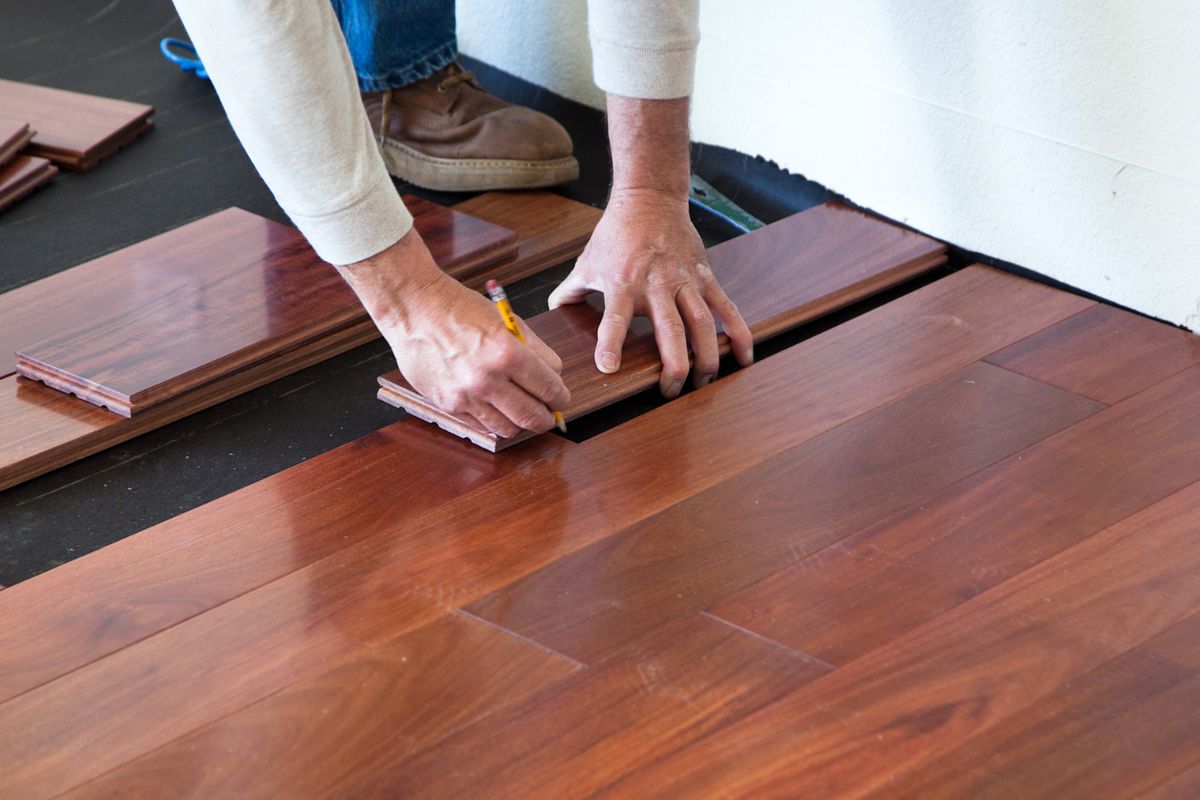
Hardwood flooring remains one of Sydney’s most popular choices thanks to its natural warmth, timeless appeal and long-lasting durability. Whether you’re renovating an apartment, updating a family home or modernising an older property, quality timber flooring can instantly elevate your space and add significant value. Its versatility, beauty and longevity make it a standout option for homeowners seeking both style and substance.
Before choosing a timber species or installation method, it’s important to understand the costs involved and in Sydney, these can vary widely. Factors such as wood type, labour rates, subfloor preparation and finishing all play a major role in the final price. This guide breaks down the real costs of hardwood flooring in Sydney and explains the key elements that influence pricing, helping you budget confidently and make informed decisions for your home.
Typical Hardwood Flooring Costs in Sydney
Based on recent market data for Sydney:
- Full supply + install for hardwood flooring typically runs A$95 – $150 per m².
- Some estimates span a wider range: ~A$105 – A$240 per m² (materials + labour), reflecting differences in wood quality, complexity of install, and additional work (subfloor prep, removal of old floor, etc.).
- By wood type/quality:
- Basic or lower-grade timber (with imperfections), cheaper materials, but aesthetic and durability trade-offs.
- Mid- to high-grade hardwood (e.g. native Australian species, quality hardwood), materials can cost more, but yield better look, longevity, and durability.
For example: one installer’s rate sheet shows solid timber flooring at around A$120 – $180 per m² (supply + install), and engineered timber around A$90 – $140 per m², though floating floor options may be cheaper.
What Affects the Cost: Key Variables
Why prices vary so much:
- Species & grade of wood – Timber species (e.g. native Australian hardwood vs imported European hardwood) affects both appearance and durability, hence price. Higher-grade wood with fewer knots or defects costs more.
- Solid vs Engineered / Floating floor vs Direct fix – Solid timber (nail/glue to subfloor) tends to cost more than engineered/floating systems which can be cheaper to supply and install.
- Subfloor condition & prep work – If existing flooring needs removal, subfloor must be prepared or levelled, barriers or underlay added, or moisture control measures taken. These additional works add per-m² costs.
- Finishing (sanding, polishing, staining) – Raw timber may need sanding, sealing or staining after installation. That adds extra costs, sometimes $40–$60 per m² or more depending on finish and quality.
- Installation complexity and labour rates – Patterned floors (e.g. parquet, herringbone), stairs, multiple rooms, or tricky layouts raise labour/time and cost, considerably. Also, labour is generally more expensive in metro areas like Sydney.
What It Means For Different Home-Sizes
Here are rough ballpark figures depending on the area you’re flooring:
| Floor Area | Lower-cost Hardwood (base grade, simpler install) | Mid/high-grade Hardwood (good timber, solid install) |
| 20 m² (e.g. small living room / bedroom) | ≈ A$1,900 – A$3,000 | ≈ A$2,400 – A$3,600 |
| 50 m² (average open-plan living + hall) | ≈ A$4,750 – A$7,500 | ≈ A$6,000 – A$9,000 |
| 100 m² (larger home / multiple rooms) | ≈ A$9,500 – A$15,000 | ≈ A$12,000 – A$18,000 |
These ranges assume “normal” conditions, no major subfloor issues, no removal of existing floor, and relatively simple layout. Complex jobs (irregular rooms, multiple levels, underfloor heating etc.) will push the cost higher.
Pros & Cons: Is It Worth the Investment?
Advantages
- Hardwood brings a timeless, high-end aesthetic that adds value and warmth, often more attractive than carpet, laminate or vinyl.
- Durability and longevity: well-installed hardwood floors can last decades, even a lifetime, when properly maintained.
- Refinishing potential (for solid timber): you can sand and refinish hardwood multiple times over the years, refreshing the look without replacing the floor.
Trade-offs / Considerations
- Initial cost is significantly higher than cheaper alternatives like laminate, carpet or vinyl.
- Installation complexities: solid hardwood often requires professional flooring installation, subfloor prep, moisture barriers, and careful workmanship.
- Maintenance: hardwood can scratch, dent, or warp if exposed to moisture; it may need periodic refinishing, sealing, or re-coating.
Tips to Get the Best Value (and Avoid Overpaying)
- Get at least 2–3 quotes, timber, labour, finishing, subfloor prep and ensure each quote breaks down supply vs install.
- Clarify what “installed” includes: does it cover underlay, moisture barrier, removal of existing floor, skirting, trims, finishing/sealing?
- Choose species & grade carefully: go for timber species that suit Sydney climate (some native species cope better with humidity), and balance aesthetic desires vs durability/maintenance.
- Consider engineered or floating floors if budget is limited, they offer wood-like appearance at lower cost, though with shorter lifespan or limited refinishing compared to solid timber.
- Plan floor area before quote, small areas may have higher per-m² cost due to fixed labour/minimum call-out fees, so aim for contiguous areas rather than fragmented jobs.
Final Thoughts: What You Can Expect in 2026 Sydney Market
In today’s Sydney market, expect to pay roughly A$95–150 per m² (materials + install) for a standard hardwood floor installation, with more premium timber or complex installs going as high as A$200+ per m² depending on scope. With proper planning and good quotes, a 50–100 m² home can realistically budget for A$6,000–18,000 for quality hardwood, a substantial investment, but one that adds long-term value, character, and longevity to a home.