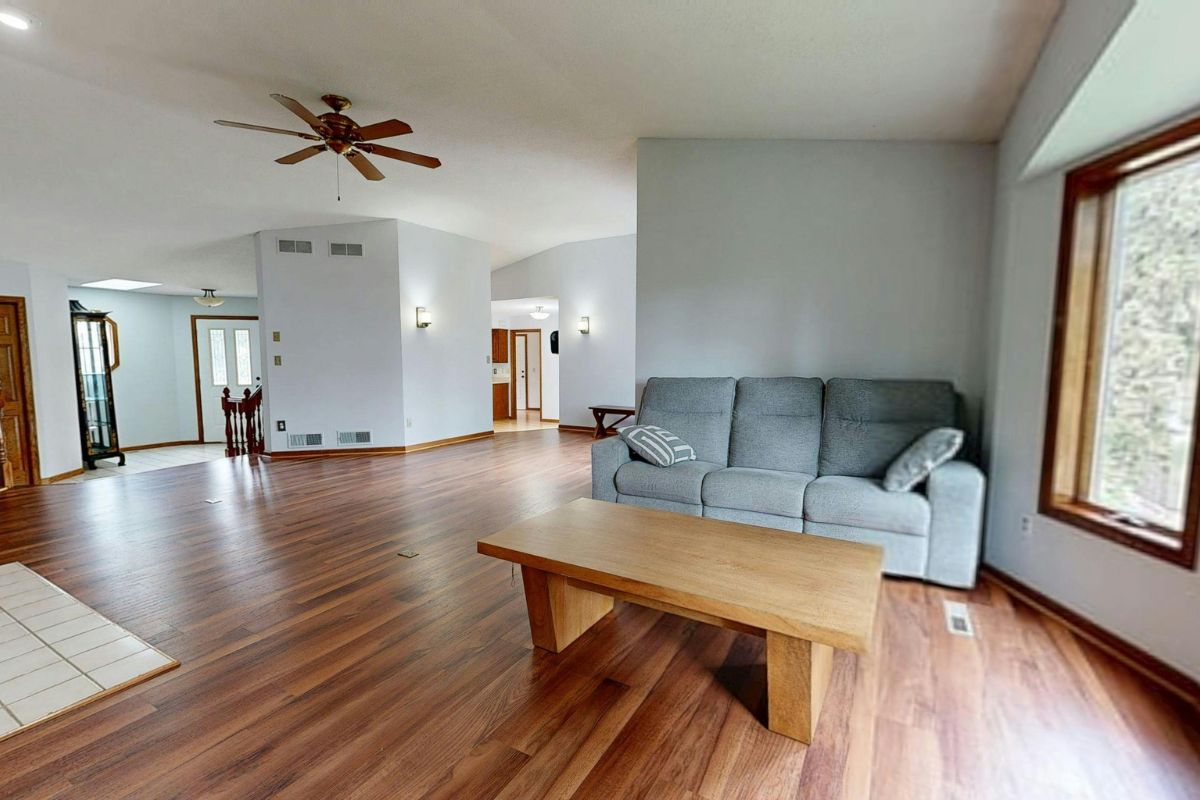
When choosing hardwood flooring for your home, most people focus on colour, grain pattern, or finish. While those elements are important, one technical detail often overlooked is thickness. So, does hardwood flooring thickness really matter? The short answer is yes, it can significantly affect durability, longevity, installation options, and overall value.
In this blog, we’ll break down why thickness matters, how it impacts performance, and what you should consider before making a decision.
Understanding Hardwood Flooring Thickness
Hardwood flooring typically comes in two main types: solid hardwood and engineered hardwood. Each has different thickness standards.
Solid hardwood boards are usually 18–20mm thick. They are made from a single piece of timber and are known for their durability and long lifespan.
Engineered hardwood, on the other hand, is made from multiple layers. It usually ranges from 12–21mm in total thickness, but what really matters is the thickness of the top hardwood veneer layer.
Both types are widely used in homes, including classic Australian species like Spotted Gum and Blackbutt, which are known for strength and durability.
1. Durability and Longevity
One of the biggest reasons thickness matters is durability.
Thicker solid hardwood floors can be sanded and refinished multiple times over their lifespan. This means if the floor becomes scratched, dented, or worn, it can be restored rather than replaced. A 19mm solid timber floor can last several decades, even 50 years or more, with proper care.
With engineered flooring, the key factor is the thickness of the top wear layer. A thicker veneer (for example, 3–6mm) allows for at least one or two refinishes. A thinner veneer (1–2mm) may not allow refinishing at all.
If you’re planning to stay in your home long-term, thicker flooring often offers better value over time.
2. Stability and Climate Performance
In countries with varying climates like Australia, stability is an important factor.
Solid hardwood expands and contracts naturally with changes in temperature and humidity. Thicker boards can sometimes exaggerate movement if not properly installed.
Engineered hardwood, because of its layered construction, is generally more dimensionally stable. It performs better in areas with fluctuating humidity or where air conditioning and heating are used frequently.
If you live in humid coastal regions or areas with significant seasonal variation, engineered flooring with a good thickness profile may offer better performance.
3. Installation Considerations
Thickness also affects how and where flooring can be installed.
Thicker solid hardwood typically requires a plywood subfloor and is usually nailed or stapled down. It adds more height to your floor, which can affect door clearances, stair heights, and transitions between rooms.
Thinner engineered boards offer more flexibility. They can often be glued down, nailed, or even floated over underlay. This makes them suitable for apartments, renovations, and installations over concrete slabs.
If you’re renovating and need to match existing floor heights, choosing the right thickness can prevent costly adjustments.
4. Sound and Feel Underfoot
Another factor people rarely consider is how the floor feels and sounds.
Thicker hardwood flooring often feels more solid underfoot. It can reduce vibrations and provide a more substantial, premium feel. In contrast, thinner or floating floors may produce slightly more hollow sounds when walked on, especially without quality underlay.
In multi-level homes or apartments, thickness combined with proper acoustic underlay can help reduce sound transfer between floors.
5. Property Value and Perception
Flooring is a long-term investment, and buyers often perceive thicker solid hardwood as more premium.
Real estate professionals frequently note that solid timber flooring adds value to a property. While engineered flooring is also attractive and practical, high-quality thick boards generally create a stronger impression in the property market.
If resale value is important to you, investing in thicker, high-quality hardwood could offer a better return.
6. Cost Differences
Naturally, thickness impacts price.
Thicker solid hardwood boards are typically more expensive due to the larger volume of raw timber used. Premium Australian hardwood species and increased material thickness contribute to higher upfront costs.
Engineered boards with thicker wear layers also cost more than thinner alternatives.
However, it’s important to think long-term. A thicker floor that lasts 40 years may be more cost-effective than a thinner one that needs replacement in 15–20 years.
7. When Thickness May Not Matter as Much
There are situations where extreme thickness isn’t necessary:
- Short-term renovations
- Investment properties
- Low-traffic rooms like bedrooms
- Budget-conscious projects
In these cases, a mid-range engineered floor with a reasonable wear layer may be perfectly adequate.
The key is matching the flooring thickness to your needs, not simply choosing the thickest option available.
Final Thoughts: Does Thickness Really Matter?
Yes, hardwood flooring thickness does matter, but it depends on your goals.
If you want maximum longevity, the ability to refinish multiple times, and a premium feel, thicker solid hardwood is a strong choice.
If you prioritise stability, easier installation, and cost efficiency, engineered hardwood with a good wear layer thickness may be the smarter option.
Ultimately, the best flooring decision balances thickness, material quality, installation method, climate conditions, and budget. Before purchasing, speak with a flooring specialist and review product specifications carefully.
Hardwood flooring is a long-term investment. Choosing the right thickness ensures your floors not only look beautiful on installation day, but continue to perform well for decades to come. Choose us for besting flooring in Sydney.