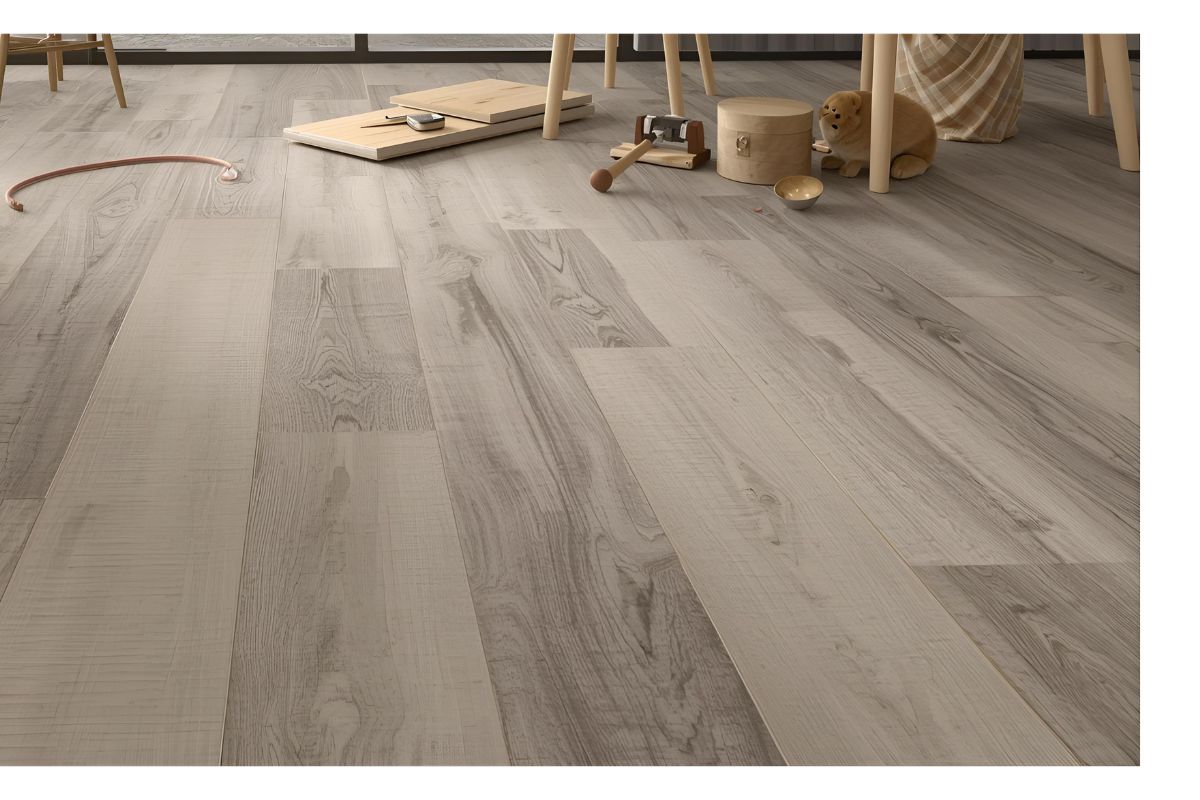
Renovating a home often brings up one big question: how much of the existing structure needs to be removed or replaced before you can add something new? This is especially true when it comes to flooring. If you’re considering laminate flooring, a cost-effective and stylish choice, you might be wondering: Can laminate flooring be installed over existing flooring? The good news? In many cases, yes, laminate is versatile and relatively easy to work with. But there are some crucial considerations that can make or break your flooring project.
In this blog, we’ll explore when and how laminate flooring can be installed over existing floors, what types of flooring are suitable as a base, potential pitfalls to watch out for, and expert tips to get the job done right.
What Is Laminate Flooring?
Laminate flooring is a multi-layer synthetic product designed to mimic the appearance of real wood, tile, or stone. It typically consists of four layers:
- Wear Layer: A clear protective coating that resists scratches and stains.
- Design Layer: A high-resolution image that gives the laminate its aesthetic look.
- Core Layer: High-density fiberboard (HDF) that provides strength and stability.
- Backing Layer: Moisture-resistant backing to protect from warping.
One of the biggest appeals of laminate flooring is its “floating floor” installation system, which doesn’t require glue or nails and allows it to be installed over many existing surfaces.
Can You Install Laminate Over Existing Floors?
Yes, but it depends. Laminate flooring can often be installed over existing flooring, but not every type of old floor makes a suitable base. Let’s break down the conditions under which laminate flooring can, and can’t be installed over existing materials.
Suitable Existing Floors for Laminate Installation
1. Hardwood Flooring:
- Good News: Laminate can be installed over hardwood, as long as the wood is level, clean, and in good condition.
- Watch Out: Cupped or uneven boards may need to be sanded or replaced before laying laminate.
2. Vinyl Flooring:
- Good News: Vinyl is usually smooth and stable, making it an ideal surface for laminate installation.
- Watch Out: Ensure the vinyl is not loose or cushioned (like soft sheet vinyl), which can affect stability.
3. Tile Flooring:
- Good News: Tile is flat and durable. You can install laminate over it with no major issues.
- Watch Out: Grout lines must be filled to prevent unevenness that could lead to floor damage or noise.
4. Concrete Floors:
- Good News: Laminate can be installed over concrete with a proper moisture barrier.
- Watch Out: Concrete must be completely dry and level. Test for moisture first!
Unsuitable Flooring Types
1. Carpet:
- Bad Idea: Carpets are too soft and unstable. Laminate requires a firm base to prevent buckling and shifting.
- Solution: Remove carpet and padding completely, then install laminate.
2. Old Laminate or Floating Floors:
- Risky: Installing laminate over old laminate is not recommended. You’ll end up with an unstable base, which can reduce the lifespan of your new flooring.
3. Uneven or Damaged Floors:
- Problem: Any dips, slopes, or surface damage will impact the performance of your new laminate.
- Fix: Level the subfloor before installation using patching compounds or self-leveling products.
Preparing the Existing Floor for Laminate Installation
Even if your current flooring is suitable, preparation is key to success. Here are essential steps:
- Clean Thoroughly: Remove dirt, dust, and debris.
- Check for Levelness: Use a long level or straightedge to check for dips or humps.
- Repair Damage: Fix loose tiles, squeaky boards, or cracks before starting.
- Use Underlayment: Most laminate floors require a foam underlayment to reduce sound and cushion the flooring. Some laminates come with pre-attached underlayments.
Tools and Materials You’ll Need
- Laminate planks
- Underlayment (if not pre-attached)
- Moisture barrier (for concrete or humid areas)
- Tape measure
- Utility knife
- Spacers
- Jigsaw or laminate cutter
- Rubber mallet
- Tapping block
- Safety gear
Pros and Cons of Installing Over Existing Flooring
Pros:
- Saves time and labor (no need to rip out old floor)
- Less messy
- Budget-friendly
- Keeps floor height closer to existing levels
Cons:
- Can add extra height, causing issues with doors or transitions
- May trap issues beneath the surface (like moisture or damage)
- Requires the old floor to be in excellent condition
Pro Tips for a Successful Install
- Acclimate the Flooring: Let your laminate planks sit in the room for 48 hours to adjust to temperature and humidity.
- Leave Expansion Gaps: Laminate expands and contracts. Leave a ¼ inch gap around the edges.
- Mind the Transitions: Use transition strips where the laminate meets different types of flooring or rooms.
- Double Check Moisture Levels: Especially on concrete or in basements, use a moisture meter to ensure you’re within safe limits.
- Check Manufacturer Guidelines: Some brands may void warranties if installed over certain types of flooring.
Final Thoughts
Installing laminate flooring over existing floors can be a smart move, saving you time, money, and a big mess. But it’s not a one-size-fits-all solution. Before diving in, evaluate your existing flooring carefully and make sure it meets the right conditions for a successful install. With the right preparation and techniques, your new laminate floor can transform your space with minimal hassle.
Thinking of upgrading your floors? Now that you know the ins and outs of laminate over existing flooring, you’re better equipped to make the right choice for your home. Whether you’re DIY-ing or hiring a pro, understanding the process will help ensure your new floors look great and last for years to come.
Need Expert Help in Sydney?
Let the professionals handle it! New Style Carpet offers expert flooring installation in Sydney. With years of experience and a focus on quality and customer satisfaction, we ensure your floors are installed perfectly the first time.