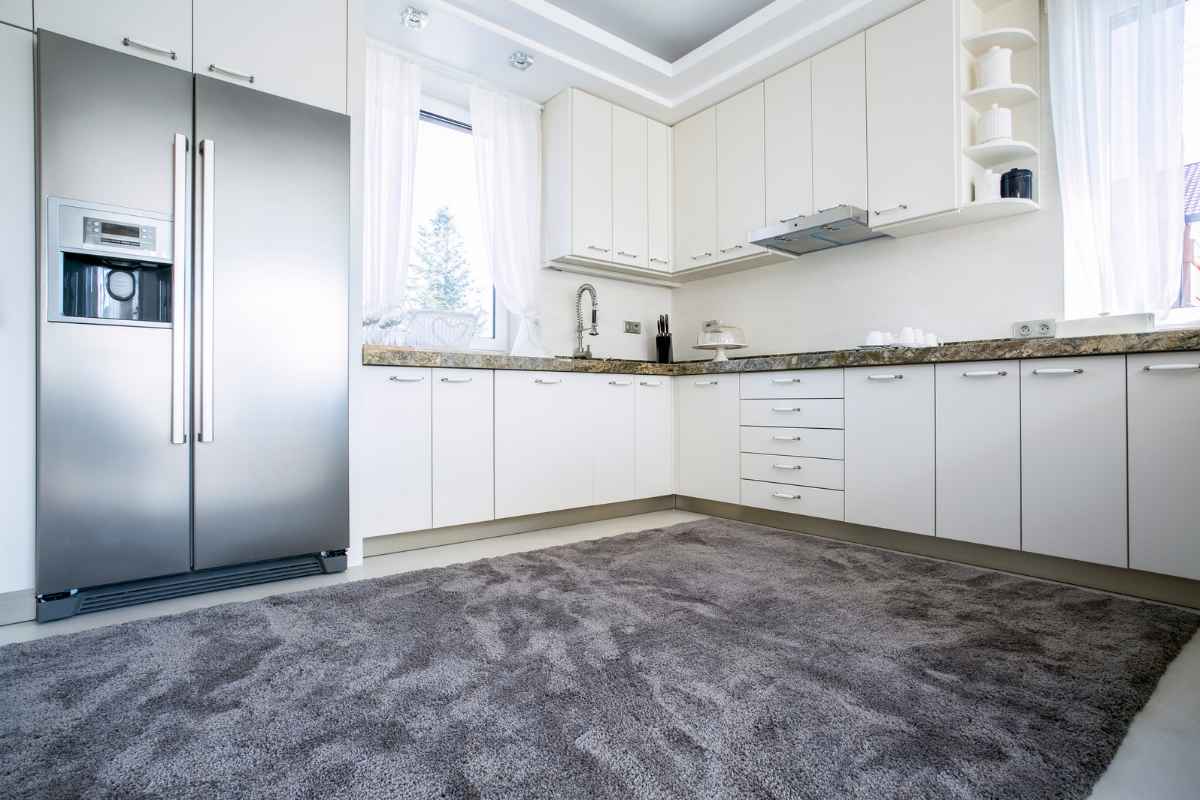
Choosing the right flooring is an important part of building a new home. While tiles, timber, and hybrid flooring are popular options, carpet remains a preferred choice for bedrooms, living areas, and other spaces where comfort matters.
For builders, successful carpet installation involves more than selecting a colour. It requires careful planning, choosing suitable carpet materials, preparing the subfloor, coordinating installation schedules, and ensuring a quality finish.
In this guide, we explain what builders need to know about carpet installation for new homes and how to achieve a durable, attractive result.
1. Choose the Right Carpet for Each Room
Different rooms have different flooring requirements. Builders should consider how each space will be used before selecting carpet.
- Bedrooms: Soft carpet creates a comfortable surface underfoot and helps make bedrooms feel warm and inviting. Polyester, triexta, and nylon carpets are options worth considering.
- Living areas: Family rooms and other shared spaces often experience regular foot traffic. Durable carpet with good stain resistance can help maintain its appearance.
- Staircases: Stair carpet needs to withstand repeated foot traffic while providing a secure fit. The carpet’s construction and suitability for stairs should be assessed before installation.
- Investment properties: For rental homes, builders may prefer practical, cost-effective carpet that balances durability, appearance, and maintenance requirements.
Selecting the right carpet for each area can help reduce premature wear and improve homeowner satisfaction.
2. Understand Different Carpet Materials
Carpet material affects its appearance, durability, maintenance requirements, and overall cost. Builders should understand the available options before making a selection.
- Nylon carpet: Known for durability, nylon is suitable for areas with regular foot traffic.
- Polyester carpet: Often chosen for its softness, colour options, and stain resistance.
- Polypropylene carpet: A practical option for certain residential applications where affordability and stain resistance are priorities.
- Solution-dyed nylon: The colour is incorporated into the fibre during manufacturing, helping provide colourfastness and resistance to fading.
- Solution-dyed polyester: Offers a range of colours and can be suitable for homes where stain resistance is important.
- Triexta carpet: Known for its softness and stain resistance, making it worth considering for family homes.
- Wool carpet: A natural fibre valued for its comfort, appearance, and insulation properties.
The best choice depends on the project budget, expected use, homeowner preferences, and the carpet manufacturer’s specifications.
3. Prepare the Subfloor Properly
Subfloor preparation is essential for achieving a professional carpet installation. Even high-quality carpet may develop problems if the surface underneath is not suitable.
Before installation, builders and installers should ensure that the subfloor is:
- Clean and free from dust, debris, and leftover construction materials.
- Dry and free from moisture issues.
- Structurally sound and sufficiently level for the selected flooring system.
- Free from protruding nails, screws, and other sharp objects.
Any identified issues should be addressed before the carpet installation begins. Moisture problems, in particular, should be resolved rather than covered with new flooring.
4. Plan Carpet Installation Around the Building Schedule
Timing is particularly important when coordinating flooring work in a new home.
Carpet is generally installed towards the later stages of construction, once major building work and messy finishing tasks have been completed. However, the exact timing depends on the builder’s programme and the requirements of other trades.
Builders should coordinate with carpet installers to confirm site readiness, access arrangements, room measurements, and installation dates.
Installing carpet too early can expose it to paint, plaster, dust, heavy equipment, and damage from other trades. If installation must occur before all work is complete, suitable protection should be arranged.
5. Measure Accurately and Allow for Waste
Accurate measurements help builders control material costs and avoid unnecessary delays.
Carpet requirements depend on room dimensions, carpet roll widths, pattern direction, seams, and the layout of the property. Patterned carpets may require additional material to align the design correctly.
Professional measuring helps determine the required quantity and reduces the risk of ordering too little or too much carpet.
Builders should also confirm whether underlay, installation, trimming, door transitions, and furniture handling are included in the quotation.
6. Do Not Overlook Carpet Underlay
Underlay contributes to the comfort, performance, and lifespan of carpet. It can improve cushioning, provide additional insulation, and influence how the carpet feels underfoot.
Builders should select underlay that is compatible with the chosen carpet and suitable for the intended room. The carpet manufacturer’s recommendations should guide the selection.
Using an unsuitable underlay may affect the carpet’s performance or warranty coverage, so it is important to confirm the specifications before installation.
7. Work With Experienced Carpet Installers
Professional carpet installation helps ensure that carpet is fitted correctly, seams are managed appropriately, and edges are finished neatly.
Before appointing an installer, builders should check their experience with new residential projects, product knowledge, scheduling reliability, and quotation details.
It is also helpful to confirm workmanship expectations, site preparation responsibilities, and the process for addressing installation issues.
Conclusion
Carpet installation is an important finishing stage in new home construction. By choosing suitable carpet materials, preparing the subfloor, planning installation carefully, and coordinating with experienced professionals, builders can achieve attractive and durable flooring.
Builders should consider both the immediate installation cost and the long-term performance of the carpet when selecting products for each property.
Working with a reliable carpet supply and installation provider can make the process more straightforward, helping builders deliver comfortable, well-finished homes that meet their clients’ expectations.