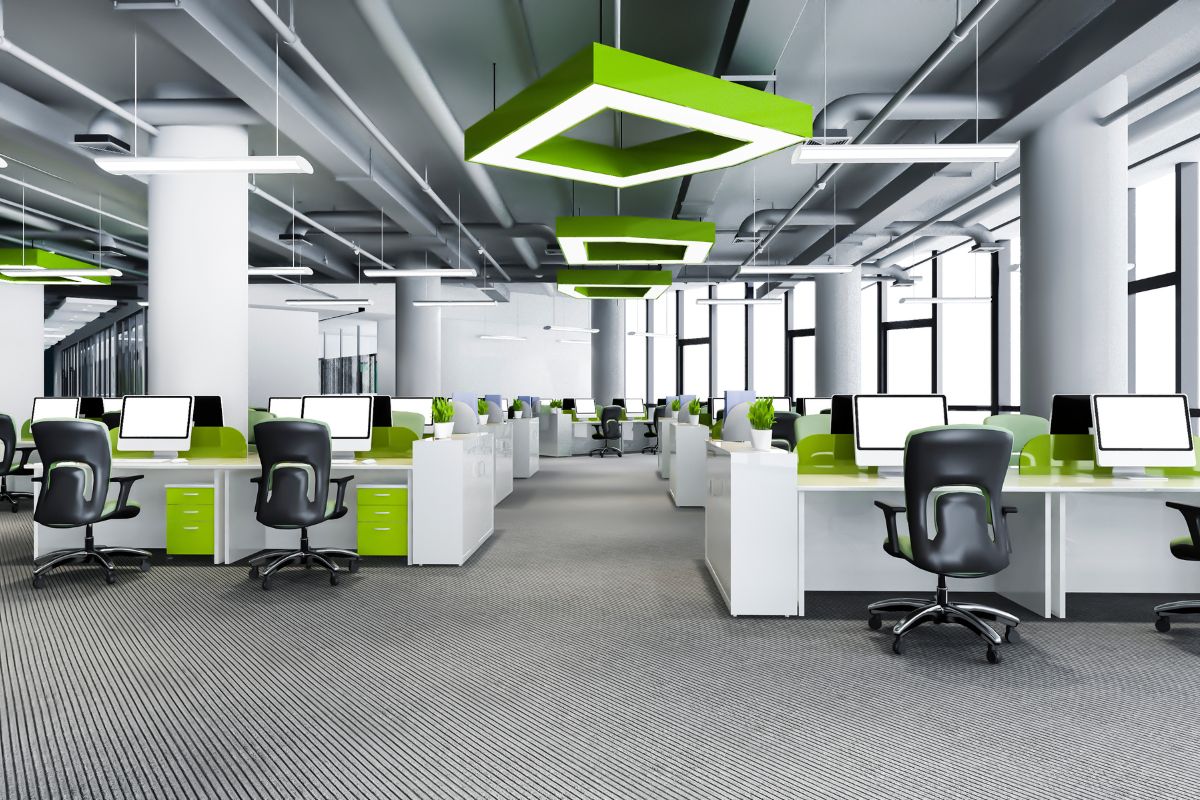
Choosing the right carpet for a commercial space is more important than many business owners realise. Flooring affects everything from first impressions and employee comfort to maintenance costs and long-term durability. In busy commercial environments such as offices, hotels, schools, retail stores, and healthcare facilities, carpet must withstand heavy foot traffic while maintaining its appearance and functionality.
The best commercial carpet depends on several factors, including durability, stain resistance, maintenance requirements, aesthetics, and budget. While there are many options available, nylon carpet tiles are widely considered the top choice for most commercial applications because of their resilience, ease of maintenance, and long lifespan.
In this blog, we’ll explore the best types of carpet for commercial use, compare materials and styles, and help you determine which option is ideal for your business space.
Why Commercial Carpets Matter
Commercial carpets are specifically designed to handle more wear and tear than residential carpets. Unlike home flooring, commercial spaces experience constant movement from employees, customers, furniture, and equipment. This means the carpet must be:
- Durable
- Easy to clean
- Resistant to stains and moisture
- Comfortable underfoot
- Visually appealing
- Cost-effective over time
The wrong carpet choice can lead to premature wear, expensive replacements, and a poor appearance that reflects badly on your business.
Best Carpet Types for Commercial Use
1. Nylon Carpet – The Best Overall Choice
Nylon is widely recognised as the gold standard for commercial carpeting. It offers excellent resilience, meaning the fibers bounce back after being compressed by foot traffic or furniture. This helps the carpet maintain a clean and professional appearance for years.
Advantages of Nylon Carpet
- Extremely durable
- Resistant to crushing and matting
- Easy to clean
- Excellent stain resistance
- Long lifespan
- Suitable for high-traffic areas
Commercial-grade nylon carpets are especially ideal for:
- Corporate offices
- Hotels
- Airports
- Educational facilities
- Conference centers
Many experts recommend Nylon 6,6 because it provides superior performance and longevity in demanding commercial settings.
Disadvantages
- Higher upfront cost
- Less moisture-resistant than olefin
Despite the higher initial investment, nylon often saves money in the long run because it lasts significantly longer than cheaper alternatives.
2. Carpet Tiles – The Most Practical Commercial Flooring
Carpet tiles, also called modular carpet, have become one of the most popular flooring solutions for commercial environments. Instead of installing one large carpet roll, carpet tiles are installed in sections or squares.
This modular design offers major advantages for businesses.
Benefits of Carpet Tiles
- Easy to replace damaged sections
- Faster installation
- Lower maintenance costs
- Flexible design options
- Reduced waste
- Better access to underfloor wiring
If one tile becomes stained or damaged, you can replace only that section instead of the entire carpet.
Best Places for Carpet Tiles
- Offices
- Retail stores
- Schools
- Tech companies
- Commercial buildings
Most commercial carpet tiles are made with nylon fibers for enhanced durability. Low-pile nylon carpet tiles are especially recommended for high-traffic areas because they resist flattening and wear.
3. Olefin (Polypropylene) Carpet – Budget-Friendly Option
Olefin, also known as polypropylene, is another common commercial carpet material. It is popular because it is affordable and highly resistant to moisture and stains.
Advantages of Olefin Carpet
- Lower cost
- Moisture-resistant
- Resistant to mold and mildew
- Good stain resistance
- Colorfast and fade-resistant
Olefin works well in:
- Basements
- Break rooms
- Light commercial spaces
- Areas prone to spills
Disadvantages
- Less resilient than nylon
- Can flatten quickly in high-traffic areas
- Shorter lifespan
While olefin is suitable for moderate traffic, many flooring professionals advise against using it in extremely busy commercial environments because it tends to lose its appearance faster.
4. Polyester Carpet – Good for Low-Traffic Commercial Areas
Polyester carpets are known for their vibrant colors and stain resistance. They are often made from recycled materials, making them a more eco-friendly option.
Advantages of Polyester Carpet
- Affordable
- Soft texture
- Strong color retention
- Eco-friendly options available
- Naturally stain-resistant
Disadvantages
- Less durable
- Can mat under heavy traffic
- Not ideal for busy commercial spaces
Polyester is best suited for:
- Boutique offices
- Meeting rooms
- Decorative spaces
- Low-traffic environments
5. Broadloom Carpet – Traditional Commercial Carpet
Broadloom carpet refers to traditional wall-to-wall carpeting installed in large rolls. It remains popular in hotels, theaters, and upscale offices because it creates a seamless and luxurious appearance.
Advantages of Broadloom Carpet
- Elegant appearance
- Comfortable underfoot
- Endless design possibilities
- Better sound absorption
Disadvantages
- Difficult to replace damaged sections
- Higher maintenance
- Longer installation time
Broadloom carpet is ideal for businesses that prioritise aesthetics and comfort over easy replacement.
Best Carpet Pile for Commercial Use
The carpet pile refers to how the carpet fibers are constructed. In commercial environments, low-pile carpets generally perform best.
1. Loop Pile Carpet
Loop pile carpets are extremely durable because the fibers remain looped rather than cut.
Benefits
- Excellent for high traffic
- Hides dirt and footprints
- Resistant to crushing
- Easy to maintain
Berber carpet is one of the most common loop pile styles used commercially.
2. Cut Pile Carpet
Cut pile carpets offer a softer and more luxurious feel but may show wear faster.
Best for
- Executive offices
- Hotel rooms
- Low-traffic areas
Key Factors to Consider When Choosing Commercial Carpet
1. Durability
High-traffic commercial spaces require carpets that resist flattening, crushing, and wear. Nylon consistently ranks highest for durability.
2. Maintenance Requirements
Commercial carpets should be easy to clean and maintain. Carpet tiles are especially practical because individual sections can be replaced quickly.
3. Stain Resistance
Spills are common in commercial environments. Solution-dyed carpets provide superior stain resistance because the color runs through the entire fiber.
4. Acoustic Benefits
Carpet helps reduce noise levels in offices and public spaces. This improves comfort and productivity.
5. Budget
While budget matters, focusing only on the lowest upfront price can be costly over time. Investing in high-quality commercial carpet often reduces replacement and maintenance expenses.
Best Commercial Carpet for Different Industries
1. Offices
Best Choice:
- Nylon carpet tiles
- Loop pile construction
Why:
- Durable
- Professional appearance
- Easy replacement
2. Hotels
Best Choice:
- Broadloom nylon carpet
Why:
- Luxurious feel
- Noise reduction
- Elegant appearance
3. Retail Stores
Best Choice:
- Carpet tiles or low-pile nylon
Why:
- Handles foot traffic
- Easy maintenance
4. Schools and Universities
Best Choice:
- Low-pile carpet tiles
Why:
- Durable
- Cost-effective
- Easy to replace
5. Healthcare Facilities
Best Choice:
- Moisture-resistant carpet tiles
Why:
- Hygienic
- Easy cleaning
- Slip resistance
Sustainability in Commercial Carpeting
Many businesses today prioritise environmentally friendly flooring options. Several commercial carpet manufacturers now offer carpets made from recycled materials, including PET polyester and recyclable nylon tiles.
Sustainable carpet options can:
- Improve indoor air quality
- Reduce environmental impact
- Support green building certifications
Final Verdict: What Is the Best Commercial Carpet?
For most commercial applications, nylon carpet tiles are the best overall choice. They provide the ideal combination of durability, stain resistance, appearance retention, and maintenance convenience. Businesses with heavy foot traffic benefit greatly from nylon’s resilience and the practicality of modular carpet tiles.
However, the best carpet ultimately depends on your specific needs:
- Choose nylon for maximum durability
- Choose carpet tiles for flexibility and easy maintenance
- Choose olefin for budget-conscious projects
- Choose broadloom for luxury and seamless design
- Choose polyester for low-traffic decorative spaces
Investing in the right commercial carpet can enhance your business environment, improve comfort, and reduce long-term flooring costs. By considering traffic levels, maintenance needs, and budget, you can select a carpet solution that delivers both performance and style for years to come.