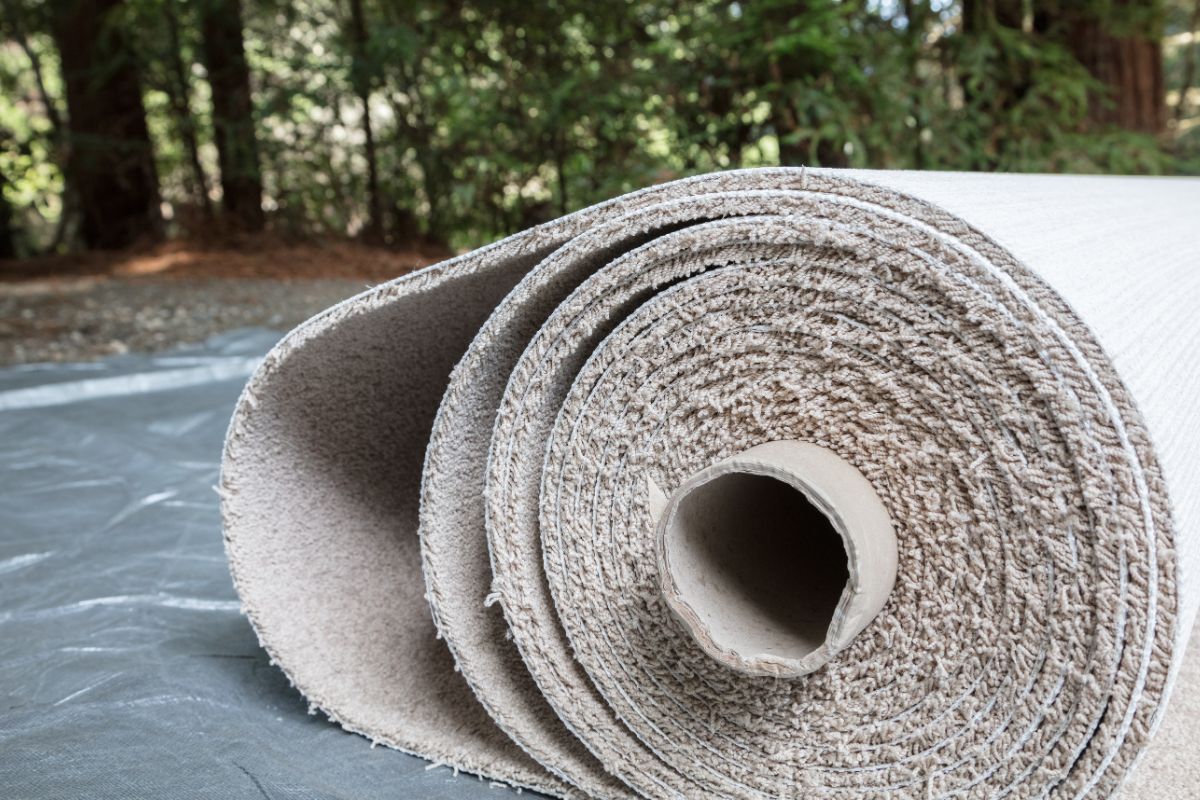
Australia is made for outdoor living. From sunny patios in Perth to humid balconies in Brisbane and coastal decks in Sydney, outdoor spaces are an extension of the home. But Australia’s climate is also one of the harshest in the world for flooring materials. Intense UV rays, heavy rain, salty air, humidity, and extreme heat can quickly destroy the wrong outdoor carpet.
That is why choosing the right outdoor carpet is not simply about style. It is about durability, weather resistance, comfort, and long-term value.
If you are planning to upgrade your alfresco area, patio, balcony, poolside, or deck, this guide will help you choose the best outdoor carpet for Australian conditions.
Why Australian Weather Is Tough on Outdoor Carpets
Outdoor carpets in Australia face several environmental challenges throughout the year.
a. Strong UV Exposure
Australia experiences some of the highest UV levels in the world. Constant sunlight can cause cheap carpets to fade, crack, or become brittle over time. UV-resistant materials are essential if your carpet will sit in direct sunlight.
b. Rain and Moisture
Many regions experience sudden storms, high humidity, or damp coastal conditions. Outdoor carpets that trap moisture can quickly develop mould, mildew, and unpleasant odours. Fast-drying and water-resistant materials perform best.
c. Heat and Foot Traffic
Outdoor entertaining areas often receive heavy use. BBQs, furniture movement, kids, pets, and daily foot traffic all contribute to wear and tear. Durable fibres are essential for maintaining appearance and structure over time.
d. Coastal Conditions
Salt air can damage low-quality fibres and backings. Homes near beaches require carpets specifically designed for moisture resistance and UV stability.
Best Materials for Outdoor Carpets in Australia
The material of your outdoor carpet is the most important factor when choosing a product for Australian weather.
1. Polypropylene (Olefin) – The Best Overall Choice
Polypropylene is widely considered the best outdoor carpet material for Australian climates. It is designed to handle harsh weather while remaining affordable and low maintenance.
Benefits of Polypropylene
- Excellent UV resistance
- Water-resistant and quick drying
- Resistant to mould and mildew
- Easy to clean
- Durable in high-traffic areas
- Budget-friendly
Because the colour is often built directly into the fibre, polypropylene carpets resist fading far better than many alternatives.
This material is ideal for:
- Patios
- Pool areas
- Balconies
- Alfresco dining spaces
- Coastal homes
2. Polyester Outdoor Carpets
Polyester is another popular synthetic option. It offers softer texture and vibrant colours while still providing decent weather resistance.
Pros
- Soft underfoot
- Fade-resistant
- Affordable
- Available in stylish designs
Cons
- Less durable in heavy traffic areas
- Can wear faster than polypropylene
Polyester works best in covered outdoor areas with moderate use.
3. Nylon Outdoor Carpets
Nylon is known for strength and resilience. It handles foot traffic extremely well and is often used in commercial outdoor spaces.
Pros
- Very durable
- Great for entertaining areas
- Strong fibre structure
Cons
- More expensive
- Less stain resistant than polypropylene
Nylon can be a good investment for busy households with children or pets.
4. Recycled Plastic and PET Rugs
Eco-conscious homeowners increasingly choose rugs made from recycled plastics. These products combine sustainability with weather resistance.
They are:
- Water-resistant
- Lightweight
- Easy to clean
- Environmentally friendly
Many modern recycled outdoor carpets closely resemble natural fibres while offering better durability.
Materials to Avoid Outdoors
Some materials look beautiful indoors but perform poorly outside.
- Wool: Wool absorbs moisture easily and can develop mould in humid conditions. It also fades under strong sunlight.
- Jute and Sisal: Natural fibres like jute and sisal can trap moisture and deteriorate quickly when exposed to rain or humidity. These materials may work in fully covered outdoor rooms but are not suitable for exposed Australian conditions.
- Thick Shag Rugs: High-pile or shag-style outdoor carpets collect dirt, sand, and moisture. They also dry slowly after rain. Low-pile or flatweave designs are much more practical outdoors.
Key Features to Look For Outdoor Carpet
1. UV Protection
UV resistance should be your top priority when buying outdoor carpet in Australia.
Look for:
- UV-stabilised fibres
- Solution-dyed materials
- Fade-resistant warranties
Solution-dyed fibres retain colour longer because pigment is integrated into the fibre itself rather than applied afterward.
Tip: Lighter colours and neutral tones tend to show fading less than dark or vibrant shades.
2. Water Resistance
Outdoor carpets should repel water rather than absorb it.
Choose carpets with:
- Fast-drying fibres
- Breathable backing
- Drainage-friendly construction
Avoid rubber backings in fully exposed areas because they can trap moisture underneath.
3. Mould and Mildew Resistance
Humidity and rain can quickly create mould problems in outdoor spaces.
Synthetic fibres like polypropylene naturally resist mould and mildew.
Proper airflow underneath the carpet is equally important.
4. Easy Maintenance
Outdoor carpets should simplify your life, not create more work.
The best outdoor carpets can be:
- Vacuumed
- Swept
- Hosed down
- Air-dried quickly
Many synthetic outdoor carpets are stain-resistant and easy to maintain year-round.
Choosing the Right Outdoor Carpet for Your Climate
Australia has diverse climate zones, and your local environment matters when selecting outdoor flooring.
1. Coastal Areas
For homes near the ocean:
- Choose UV-resistant polypropylene
- Prioritise mould resistance
- Use breathable backing
- Avoid moisture-absorbing natural fibres
Salt air and humidity can quickly damage unsuitable materials.
2. Tropical and Humid Regions
In places like Cairns or Darwin:
- Fast-drying carpets are essential
- Mould resistance matters most
- Flatweave synthetic designs work best
Avoid thick textures that trap moisture.
3. Dry and Hot Regions
In areas like Perth or inland Australia:
- UV stability becomes critical
- Heat-resistant fibres perform best
- Lighter colours reduce visible fading
4. Cooler Southern Areas
In Melbourne or Tasmania:
- Water drainage is important
- Durable fibres help handle seasonal weather
- Indoor-outdoor hybrid carpets can work well in covered spaces
How to Choose the Right Size Outdoor Carpet
The right size outdoor carpet creates balance and comfort.
- Dining Areas: Your carpet should extend beyond the dining table so chairs remain on the rug when pulled out.
- Lounge Areas: Front legs of sofas and chairs should sit comfortably on the carpet for a cohesive look.
- Small Balconies: Choose compact flatweave designs that define the space without overwhelming it.
Measure carefully before purchasing to avoid awkward sizing.
Outdoor Carpet Styles Trending in Australia
Outdoor carpets now combine practicality with modern design.
Popular styles include:
- Coastal neutrals
- Geometric patterns
- Natural woven looks
- Contemporary monochrome designs
- Textured flatweaves
Neutral shades remain especially popular because they complement Australian outdoor architecture and hide dirt more effectively.
Maintenance Tips to Extend Lifespan
Even durable outdoor carpets need regular care.
- Vacuum or Sweep Weekly: Remove dirt, leaves, and debris before they settle into fibres.
- Hose Down Occasionally: Synthetic outdoor carpets can usually be rinsed with water and air-dried.
- Allow Proper Drainage: Lift the carpet occasionally to let the surface underneath dry completely.
- Rotate the Carpet: Rotating helps distribute sun exposure evenly and reduces fading.
- Store During Extreme Weather: While many outdoor carpets are weatherproof, storing them during severe storms or long wet seasons can increase longevity.
Common Mistakes to Avoid Buying Outdoor Carpet
- Buying Indoor Rugs for Outdoor Use: Indoor rugs absorb moisture and deteriorate quickly outside.
- Ignoring UV Ratings: Even attractive rugs can fade rapidly without UV protection.
- Choosing Thick Pile Carpets: Thick textures trap dirt, moisture, and debris.
- Forgetting About Drainage: Poor drainage leads to mould growth and damaged decking.
- Prioritising Price Over Quality: Cheap outdoor carpets often need replacing after one season. Investing in durable materials saves money long term.
Final Thoughts
Choosing the best outdoor carpet for Australian climates comes down to selecting materials and features designed for harsh weather conditions.
For most homes, polypropylene remains the top choice because it combines UV resistance, moisture protection, durability, and affordability. Polyester and recycled plastic options also perform well in many environments.
When shopping for outdoor carpet, focus on:
- UV protection
- Water resistance
- Mould resistance
- Easy maintenance
- Climate suitability
The right outdoor carpet can completely transform your patio, balcony, or alfresco space while standing up to Australia’s demanding climate for years to come.