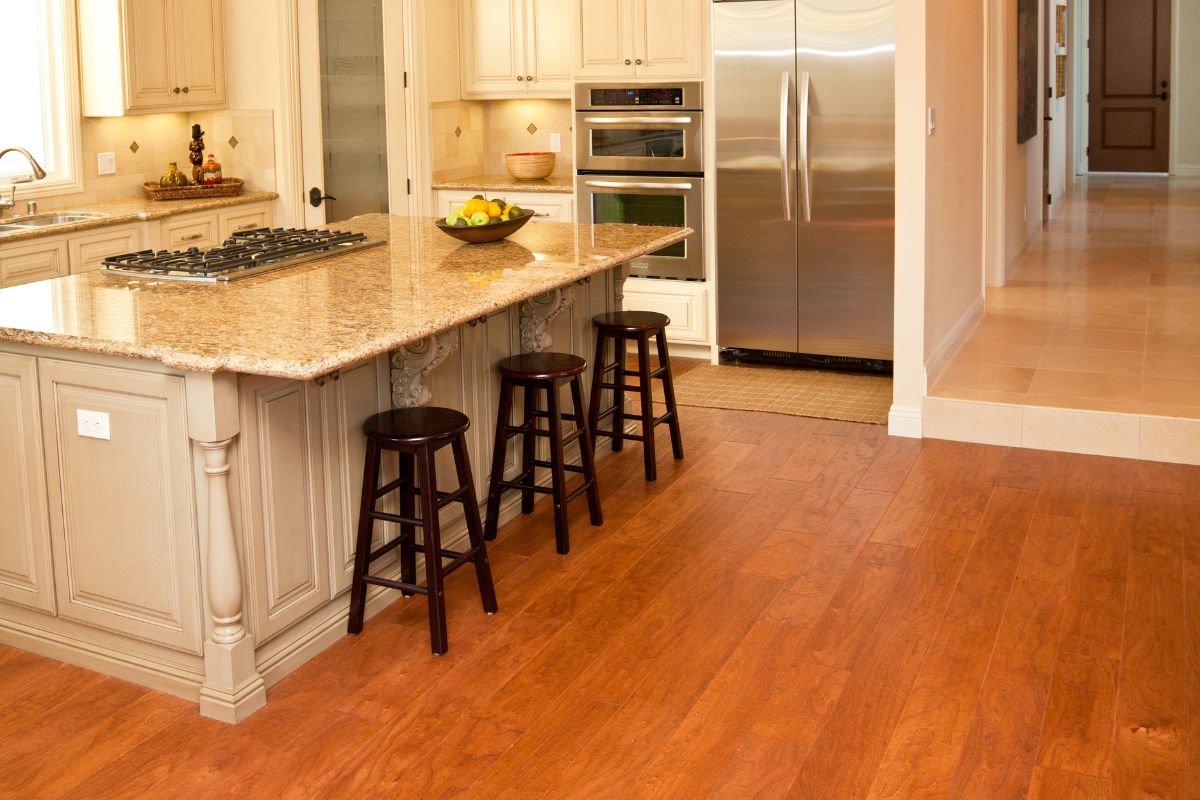
Choosing the right flooring for your kitchen is one of the most important decisions in any home renovation. The kitchen is a high-traffic, high-moisture area that must withstand spills, heat, and constant use. Beyond durability, your flooring also plays a major role in the overall look and feel of your space.
In this complete guide, we’ll explore the best kitchen flooring options, their pros and cons, and how to choose the right one for your lifestyle.
Why Kitchen Flooring Matters
Unlike other rooms, kitchens experience heavy foot traffic, frequent spills, and temperature changes. That means your flooring must be:
- Durable enough to handle daily wear
- Water-resistant or waterproof
- Easy to clean and maintain
- Comfortable underfoot
No single flooring option is perfect for every home. The best choice depends on your budget, design preferences, and how you use your kitchen.
1. Tile Flooring: Durable and Water-Resistant
Tile flooring, especially ceramic and porcelain, is one of the most popular choices for kitchens. It’s known for its durability and excellent resistance to moisture.
Pros
- Highly water-resistant (ideal for spills and splashes)
- Extremely durable and long-lasting
- Wide variety of colors, patterns, and finishes
- Easy to clean
Cons
- Hard surface can be uncomfortable for long periods
- Slippery when wet
- Grout lines require maintenance
Tile is often considered the most durable option for kitchens, making it perfect for busy households. However, its hardness means dropped dishes are more likely to break.
2. Hardwood Flooring: Classic and Elegant
Hardwood flooring brings warmth and timeless beauty to any kitchen. It’s especially popular in open-concept homes where continuity between rooms is important.
Pros
- Elegant, natural appearance
- Can be refinished multiple times
- Adds value to your home
Cons
- Not waterproof
- Susceptible to scratches and dents
- Requires regular maintenance
While hardwood can work in kitchens, it requires careful upkeep. Spills must be cleaned immediately to prevent water damage.
3. Vinyl Flooring: Practical and Affordable
Vinyl flooring, especially luxury vinyl plank (LVP) , has become one of the top choices for modern kitchens. It offers the look of wood or stone without the high cost.
Pros
- 100% waterproof
- Budget-friendly
- Soft and comfortable underfoot
- Easy to install and maintain
Cons
- Can dent or scratch under heavy appliances
- Less premium feel compared to natural materials
Vinyl is widely considered one of the best all-around kitchen flooring options because it balances durability, affordability, and style.
4. Laminate Flooring: Budget-Friendly Style
Laminate flooring is a cost-effective alternative to hardwood, designed to mimic its appearance.
Pros
- Affordable
- Attractive wood-like finish
- Scratch-resistant
Cons
- Not fully waterproof
- Can warp with moisture exposure
Laminate works best in kitchens with minimal moisture exposure or where spills are cleaned quickly. Newer waterproof versions are improving its performance, but it still lags behind vinyl in water resistance.
5. Engineered Hardwood: A Balanced Alternative
Engineered hardwood offers the beauty of real wood with better resistance to moisture compared to solid hardwood.
Pros
- More stable than solid wood
- Handles humidity better
- High-end appearance
Cons
- Still not fully waterproof
- More expensive than vinyl or laminate
This option is ideal for homeowners who want a premium look but need slightly better durability in the kitchen environment.
6. Stone Flooring: Natural and Luxurious
Natural stone, such as marble, slate, or granite, creates a high-end, sophisticated look.
Pros
- Unique, natural appearance
- Extremely durable
- Adds significant property value
Cons
- Expensive
- Requires sealing and maintenance
- Can stain easily
Stone flooring is best suited for luxury kitchens but requires more upkeep than other materials.
Key Factors to Consider When Choosing Kitchen Flooring
When choosing kitchen flooring, keep these factors in mind:
- Water Resistance: Kitchens are prone to spills and leaks. Waterproof materials like vinyl and tile perform best in these conditions.
- Durability: If you have a busy household, pets, or kids, opt for highly durable materials like tile or vinyl.
- Comfort: Hard surfaces like tile can be tough on your feet, while vinyl offers more cushioning.
- Maintenance: Some floors require more upkeep than others. Hardwood and stone need more care, while vinyl and tile are easier to maintain.
- Budget: Your budget will significantly influence your choice. Vinyl and laminate are more affordable, while hardwood and stone are premium options.
What Flooring For Kitchen Experts Recommend
Many experts agree that tile and luxury vinyl are the top choices for most kitchens because they handle moisture, traffic, and daily wear effectively.
Luxury vinyl, in particular, has surged in popularity due to its waterproof nature, comfort, and ability to mimic high-end materials at a lower cost.
Final Thoughts
The best kitchen flooring ultimately depends on your needs and lifestyle. If you want durability and water resistance, tile or vinyl are excellent choices. If aesthetics and value matter most, hardwood or engineered wood may be worth the investment.
There’s no one-size-fits-all solution but by understanding the strengths and limitations of each material, you can confidently choose flooring that will stand the test of time.
A well-chosen kitchen floor doesn’t just enhance your home’s appearance, it improves functionality, comfort, and long-term value.