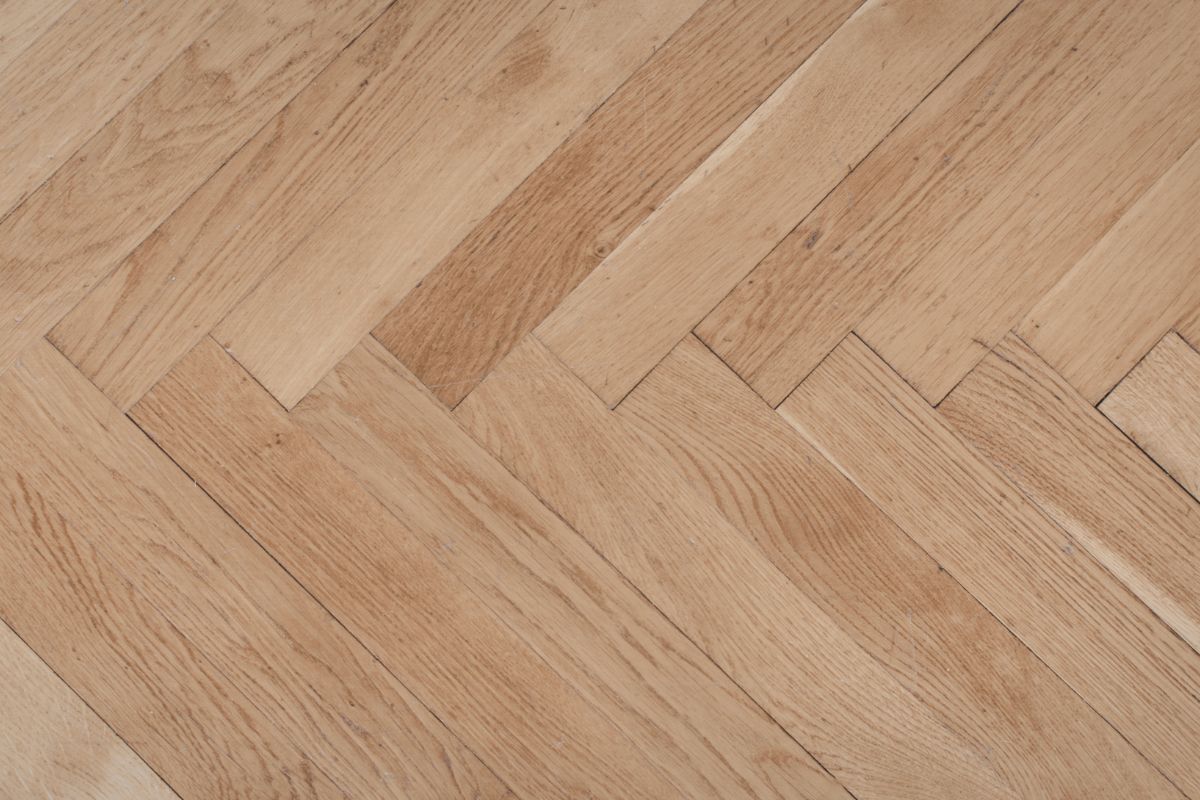
Engineered timber flooring has quickly become one of the most popular flooring choices across Australia and for good reason. Combining the natural beauty of real wood with modern engineering, it offers a practical, stylish, and durable solution for Australian homes. Whether you’re renovating in Sydney, building in Brisbane, or upgrading an investment property in Melbourne, this comprehensive guide will help you confidently choose the right engineered timber flooring.
What is Engineered Timber Flooring?
Engineered timber flooring is a multi-layered flooring product made from real hardwood on top and a stable core underneath. Unlike laminate or vinyl, the surface is genuine timber, giving it the same look and feel as solid wood.
Typically, it consists of:
- A top wear layer (real hardwood, usually 2–6mm thick)
- A core layer (plywood or hardwood for stability)
- A backing layer (for balance and moisture resistance)
This layered construction makes engineered timber far more stable than solid timber, especially in Australia’s changing climate.
Why Engineered Timber Flooring is Ideal for Australian Homes
Australia’s climate varies significantly, from humid coastal areas to dry inland regions. Flooring must handle temperature swings, moisture, and structural movement.
Engineered timber is designed specifically for these conditions.
Key Advantages
- Superior Stability: The cross-layered core reduces expansion and contraction caused by humidity changes, making it ideal for Australian weather conditions.
- Suitable for Concrete Slabs: Most modern Australian homes are built on concrete slabs. Engineered timber can be installed directly over concrete, unlike solid timber.
- Real Timber Aesthetic: You get authentic grain, texture, and warmth, something synthetic options cannot fully replicate.
- Versatile Installation Methods: It can be installed as a floating floor or glued down, depending on your needs and budget.
- Sustainability: Engineered boards use less hardwood than solid timber, making them a more environmentally responsible option.
Engineered Timber vs Solid Timber vs Hybrid Flooring
Before buying, it’s important to understand how engineered timber compares with other popular flooring types in Australia.
1. Engineered Timber
- Real wood surface
- Stable in varying climates
- Mid-to-high price range
- Limited refinishing (depending on wear layer)
2. Solid Timber
- 100% hardwood
- Can be sanded multiple times
- Prone to movement in humidity
- Higher cost
3. Hybrid Flooring (SPC)
- Waterproof and durable
- Not real timber
- Lower cost
- Less natural appearance
In Australia, engineered timber is often seen as the “best of both worlds”, offering the beauty of timber with improved performance.
Key Factors to Consider Before Buying Timber Flooring
Choosing the right engineered timber flooring involves more than just picking a colour. Here are the most important factors:
1. Wear Layer Thickness
The wear layer determines durability and how many times the floor can be sanded.
- 2–3mm: Budget option, limited refinishing
- 3–4mm: Ideal for most homes
- 4mm+: Premium, long lifespan
A thicker wear layer means better longevity and value.
2. Timber Species
Different species offer different looks and hardness levels.
Popular options in Australia include:
- European Oak – Modern, neutral tones
- Blackbutt – Light, Australian native look
- Spotted Gum – Rich colour variation
- Tasmanian Oak – Soft, warm tones
European Oak remains the most popular choice in 2026 due to its versatility and premium appearance.
3. Board Thickness and Width
Typical specifications in Australia:
- Total thickness: 14–15mm
- Width: 190–220mm
- Length: Up to 2.2m
Wider boards create a more luxurious, modern feel but may cost more.
4. Finish and Coating
Engineered timber comes pre-finished with protective coatings:
- Matte finish – Natural look, hides scratches
- Satin finish – Slight sheen, easy maintenance
- Gloss finish – High shine, more traditional
UV-cured finishes are common and provide durability and stain resistance.
5. Installation Method
There are two main installation options:
Floating Floor
- Faster and cheaper
- Installed over underlay
- Slightly less solid underfoot
Direct Stick (Glue-Down)
- More stable and premium feel
- Better for apartments (sound control)
- Higher installation cost
Many professionals in Australia recommend glue-down installation for long-term performance.
6. Cost in Australia (2026)
Engineered timber flooring costs vary depending on quality and installation.
Typical price ranges:
- Materials: $60–$110 per m²
- Installation: $30–$50+ per m²
Premium options with thicker wear layers and wider boards will cost more.
Pros and Cons of Engineered Timber Flooring
a. Pros
- Real timber appearance
- Excellent stability
- Suitable for most homes
- Easier installation than solid timber
- Compatible with underfloor heating
b. Cons
- Limited refinishing compared to solid timber
- Can be scratched or dented
- Not fully waterproof
- Quality varies significantly between brands
Common Mistakes to Avoid While Buying Timber Flooring
Many homeowners make avoidable mistakes when choosing engineered timber flooring.
- Choosing Based on Price Alone: Cheap products often have thin wear layers and lower-quality cores.
- Ignoring Moisture Protection: A proper moisture barrier is essential, especially on concrete slabs.
- Wrong Installation Method: Floating floors may not suit every home or subfloor.
- Not Checking Warranty: Always review structural and finish warranties.
- Skipping Professional Installation: Poor installation can lead to gaps, squeaking, or movement.
Maintenance and Care Tips
To keep your floors looking great:
- Sweep or vacuum regularly
- Use a damp (not wet) mop
- Avoid harsh chemicals
- Use felt pads under furniture
- Clean spills immediately
With proper care, engineered timber flooring can last 20–30 years or more, depending on quality.
Is Engineered Timber Flooring Worth It?
For most Australian homeowners, the answer is yes.
Engineered timber flooring offers an excellent balance of:
- Style
- Performance
- Affordability
It’s particularly well-suited to:
- Modern homes on concrete slabs
- Apartments and multi-storey living
- Renovations with height constraints
- Areas with changing humidity
Final Thoughts
Engineered timber flooring has become the go-to choice in Australia for a reason. It delivers the timeless beauty of real wood while solving many of the challenges associated with solid timber.
When buying, focus on:
- Wear layer thickness
- Quality core construction
- Suitable species
- Professional installation
By understanding these factors, you’ll be able to choose a floor that not only looks stunning but also performs well for decades.
If you’re planning a renovation or new build, engineered timber flooring is one of the smartest long-term investments you can make in your home.