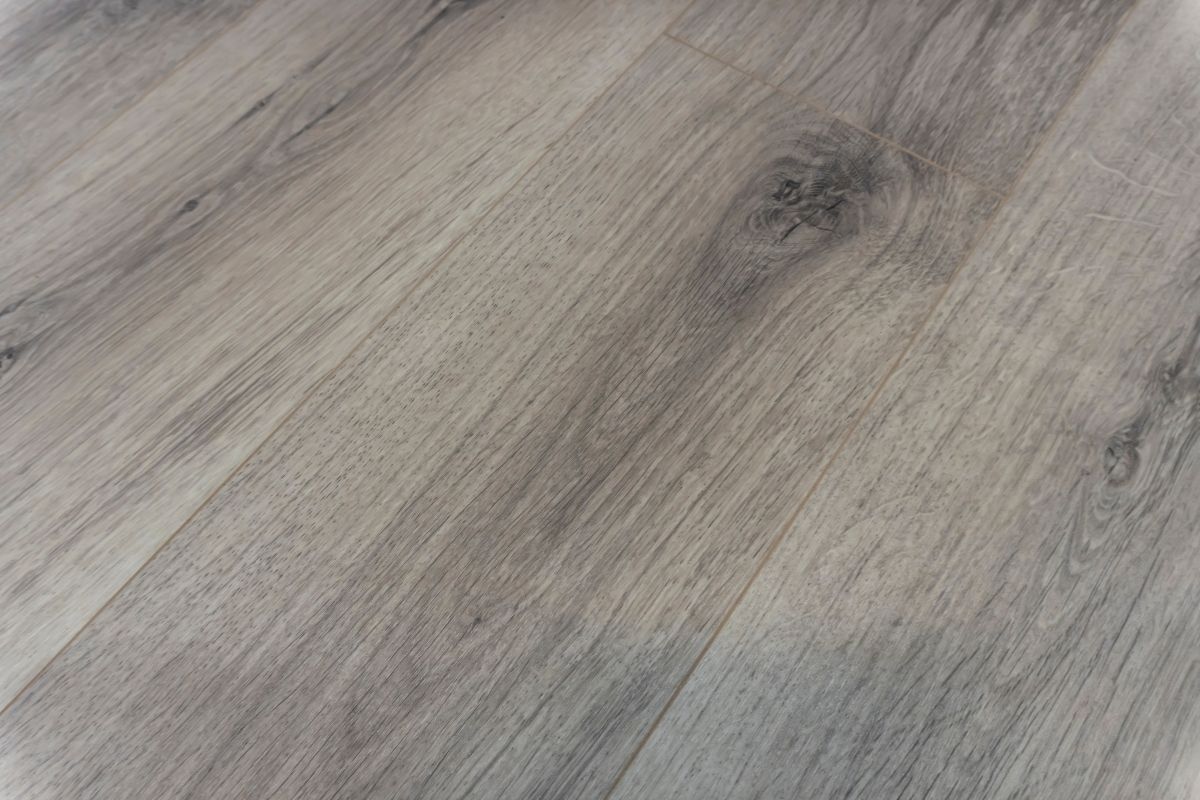
Yes, laminate flooring can change color over time but not in the same way or to the same degree as natural hardwood. If you’re considering laminate for your home or already have it installed, understanding how and why color changes happen can help you protect your floors and extend their lifespan.
In this blog, we’ll explore whether laminate flooring fades, yellows, or darkens over time, what causes these changes, and how to prevent or minimize discoloration.
What Is Laminate Flooring Made Of?
To understand how laminate changes color, it helps to know how it’s constructed. Laminate flooring typically consists of four layers:
- Wear Layer: A transparent protective top layer that resists scratches, stains, and UV exposure.
- Design Layer: A high-resolution photographic image that mimics wood, stone, or tile.
- Core Layer: Usually made of high-density fiberboard (HDF), providing strength and stability.
- Backing Layer: A bottom layer that helps resist moisture and adds structural support.
Unlike hardwood, laminate does not contain solid natural wood on the surface. Instead, it uses a printed image protected by a clear coating. Because of this structure, laminate doesn’t “age” like real wood but it can still experience color changes.
Does Laminate Flooring Fade in Sunlight?
Yes, laminate flooring can fade over time due to prolonged exposure to sunlight, particularly ultraviolet (UV) rays.
Even though the wear layer is designed to resist UV damage, it’s not completely immune. If you have large windows, glass doors, or skylights that let in direct sunlight for extended periods, you may notice gradual fading in those areas.
The most common signs of sun-related fading include:
- Lightening of darker laminate shades
- Slight dulling of vibrant tones
- Uneven coloration where rugs or furniture have protected certain spots
Interestingly, laminate tends to fade more evenly than hardwood because the surface image is printed. However, if part of your floor is constantly covered (for example, under an area rug), you may see contrast when the rug is removed.
Does Laminate Flooring Turn Yellow?
Laminate flooring generally does not yellow as dramatically as some other flooring materials, but slight yellowing can occur over time.
Yellowing is more common in:
- Light-colored laminate
- Whitewashed or gray-toned floors
- Lower-quality laminate products
There are a few reasons yellowing might happen:
- UV Exposure: Sunlight can gradually alter the appearance of lighter laminate shades, giving them a warmer or slightly yellow tone.
- Aging of the Protective Layer: Over time, the wear layer may experience minor oxidation, which can subtly affect the floor’s appearance.
- Cleaning Products: Certain harsh or oil-based cleaning solutions can leave residues that create a yellowish buildup, especially if not properly rinsed.
High-quality laminate with strong UV protection is much less likely to yellow significantly.
Can Laminate Flooring Darken Over Time?
Laminate flooring does not typically darken the way natural hardwood does. Real wood can deepen in tone due to oxidation and exposure to light, but laminate’s color is determined by a printed image layer.
However, some homeowners report a slight darkening effect over many years. This is usually due to:
- Accumulated dirt or residue
- Minor wear and surface scratches
- Changes in indoor lighting conditions
- Fading in surrounding décor that makes the floor appear darker by comparison
In most cases, what appears to be darkening is actually surface buildup rather than a structural color change.
How Long Does It Take for Laminate to Change Color?
Color changes in laminate flooring are gradual and typically occur over years, not months.
On average:
- Minor fading may begin after 3–5 years in high-sunlight areas.
- Noticeable contrast between covered and uncovered areas may appear after 5–10 years.
- Significant discoloration is more common in older or lower-quality laminate installations (10+ years).
Higher-end laminate products with enhanced UV protection can maintain their appearance much longer.
Factors That Influence Color Changes
Several factors affect whether and how much your laminate flooring changes color:
- Quality of the Laminate: Premium laminate flooring usually includes stronger UV-resistant coatings and higher-quality print layers. Budget laminate may be more susceptible to fading or discoloration.
- Sun Exposure: Rooms with large south- or west-facing windows receive more direct sunlight, increasing the risk of fading.
- Climate: Excessive heat and humidity can accelerate wear and affect the protective top layer.
- Maintenance Routine: Improper cleaning methods such as steam mops or abrasive chemicals, can damage the wear layer and make color changes more noticeable.
How to Prevent Laminate Flooring from Fading or Discoloring
While some gradual change is natural, there are practical steps you can take to minimize color shifts:
- Use Window Coverings: Install blinds, curtains, or UV-blocking window film to reduce direct sunlight exposure during peak hours.
- Rotate Rugs and Furniture: Move rugs and rearrange furniture occasionally to ensure even exposure to light. This helps prevent noticeable contrast between covered and uncovered areas.
- Choose UV-Resistant Laminate: When purchasing new flooring, look for products labeled as UV-resistant or fade-resistant.
- Clean Properly: Use laminate-approved cleaning products and avoid oil-based cleaners. Dry mopping and slightly damp microfiber mops are ideal.
- Avoid Steam Cleaning: Steam can damage the protective layer and accelerate wear, potentially affecting color consistency.
Is Color Change a Sign of Damage?
Not necessarily. Minor fading or subtle shifts in tone are normal over time, especially in sunlit rooms. However, significant discoloration, warping, or peeling may indicate deeper issues such as:
- Moisture damage
- Wear layer failure
- Low-quality installation
- Excessive chemical exposure
If you notice dramatic changes in isolated areas, it may be worth consulting a flooring professional.
Laminate vs. Hardwood: Which Changes More?
When comparing laminate and hardwood:
- Hardwood naturally changes color due to oxidation and light exposure. Some species darken, while others lighten.
- Laminate typically experiences more fading than darkening, and changes are usually less dramatic.
If you prefer a floor that maintains a consistent look for many years, high-quality laminate can be a stable option. However, if you appreciate natural aging and evolving character, hardwood may be more appealing.
Final Thoughts
So, does laminate flooring change color over time? Yes but usually subtly and gradually.
Most changes are caused by sunlight exposure, wear of the protective layer, and environmental factors. Compared to hardwood, laminate is generally more stable in appearance, but it is not completely immune to fading or minor yellowing.
By choosing quality materials, protecting your floors from excessive sunlight, and maintaining proper cleaning habits, you can keep your laminate flooring looking fresh and vibrant for many years.
If you’re planning a new flooring installation, consider both the long-term appearance and your room’s lighting conditions. With the right care, laminate flooring can maintain its color and beauty well beyond a decade.