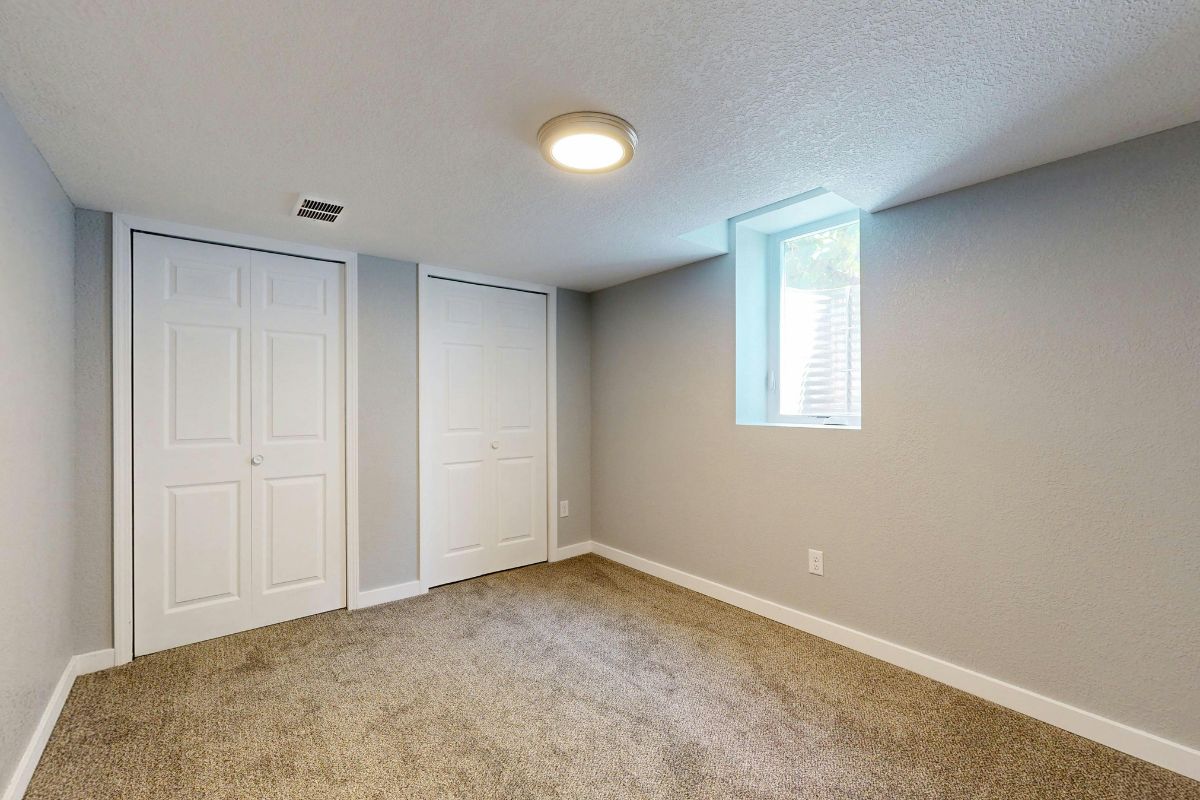
Installing carpet on your own may seem like a practical way to save money and complete a home improvement project quickly. With countless tutorials online, DIY carpet installation appears straightforward. However, many homeowners don’t realize that improper installation can cause serious and sometimes permanent damage to their floors. From subfloor issues to long-term wear problems, DIY mistakes often cost more to fix than hiring a professional from the start.
Lack of Proper Subfloor Preparation
One of the most overlooked aspects of DIY carpet installation is subfloor preparation. Professional installers take time to inspect and correct subfloor problems before laying carpet, while DIY installers often rush this step.
Common subfloor issues caused by DIY installation include:
- Uneven or unlevel surfaces that cause carpet rippling
- Dirt and debris trapped underneath the carpet, leading to premature wear
- Unnoticed moisture problems that can cause mold or wood rot
Without proper preparation, the carpet will not sit correctly, and the underlying floor structure may deteriorate over time.
Incorrect Tools Can Cause Physical Damage
Carpet installation requires specialized tools that many DIY installers either don’t own or don’t know how to use correctly. Improvising with household tools often results in damage to surrounding surfaces.
Improper tool usage can lead to:
- Scratches and gouges in hardwood or laminate flooring
- Cracked tiles or damaged concrete
- Chipped baseboards and torn drywall
For example, knee kickers and tack strip cutters require skill and precision. When used incorrectly, they can damage both the floor and the carpet itself.
Poor Carpet Stretching Creates Long-Term Problems
Proper carpet stretching is essential for durability and appearance. DIY installers often skip power stretchers and rely only on knee kickers, which do not provide even tension across the room.
Poor stretching can result in:
- Wrinkles and ripples forming over time
- Loose carpet that shifts underfoot
- Increased risk of trips and falls
These issues not only look unprofessional but also shorten the carpet’s lifespan and may void the manufacturer’s warranty.
Improper Installation of Tack Strips
Tack strips are necessary to secure carpet edges, but incorrect installation can severely damage floors. DIY installers often place tack strips incorrectly or apply excessive force when nailing them down.
Potential damage includes:
- Cracked concrete subfloors
- Splintered wooden subfloors
- Damage to radiant heating systems beneath the floor
Incorrectly placed tack strips may also fail to hold the carpet properly, causing fraying and loose edges.
Seam and Adhesive Mistakes
Carpet seams require experience and precision. DIY installers often struggle with aligning patterns, applying seam tape evenly, or controlling adhesive temperatures.
Common seam-related issues include:
- Visible or uneven seams
- Adhesive bleeding through the carpet fibers
- Seams separating over time
These problems affect both appearance and functionality, allowing dirt and moisture to reach the subfloor and cause additional damage.
Damage to Existing Flooring
Carpet is often installed over existing floors such as hardwood, tile, or laminate. Removing old carpet and installing new materials without professional tools can permanently damage these surfaces.
DIY removal often leads to:
- Scratches and dents in hardwood floors
- Cracked tiles from improper prying
- Staple and tack strip damage that is difficult to repair
If the carpet is later removed, homeowners may discover their original flooring is no longer salvageable.
Voided Warranties and Hidden Costs
Many carpet manufacturers require professional installation to maintain warranty coverage. DIY installation can void warranties related to wear, seams, and backing failure.
Hidden costs of DIY carpet installation include:
- Paying for repairs to subfloors or existing floors
- Replacing damaged carpet earlier than expected
- Hiring professionals to fix installation mistakes
What begins as a money-saving project often becomes a costly repair job.
Safety Risks During DIY Installation
Carpet installation is physically demanding and involves sharp tools, heavy rolls of carpet, and chemical adhesives. Without proper training, DIY installers face higher risks of injury.
Safety concerns include:
- Cuts from blades and tack strips
- Back and knee injuries from lifting and stretching carpet
- Respiratory irritation from dust and adhesives
Final Thoughts: Protect Your Floors with Professional Installation
While DIY carpet installation may seem appealing, the risks to your floors are significant. Improper tools, lack of experience, and rushed preparation can lead to costly damage, reduced carpet lifespan, and safety hazards. Professional installers have the expertise and equipment needed to protect your floors and ensure your carpet looks great and lasts for years.
In the end, investing in professional carpet installation saves time, money, and stress, while keeping your floors in excellent condition.