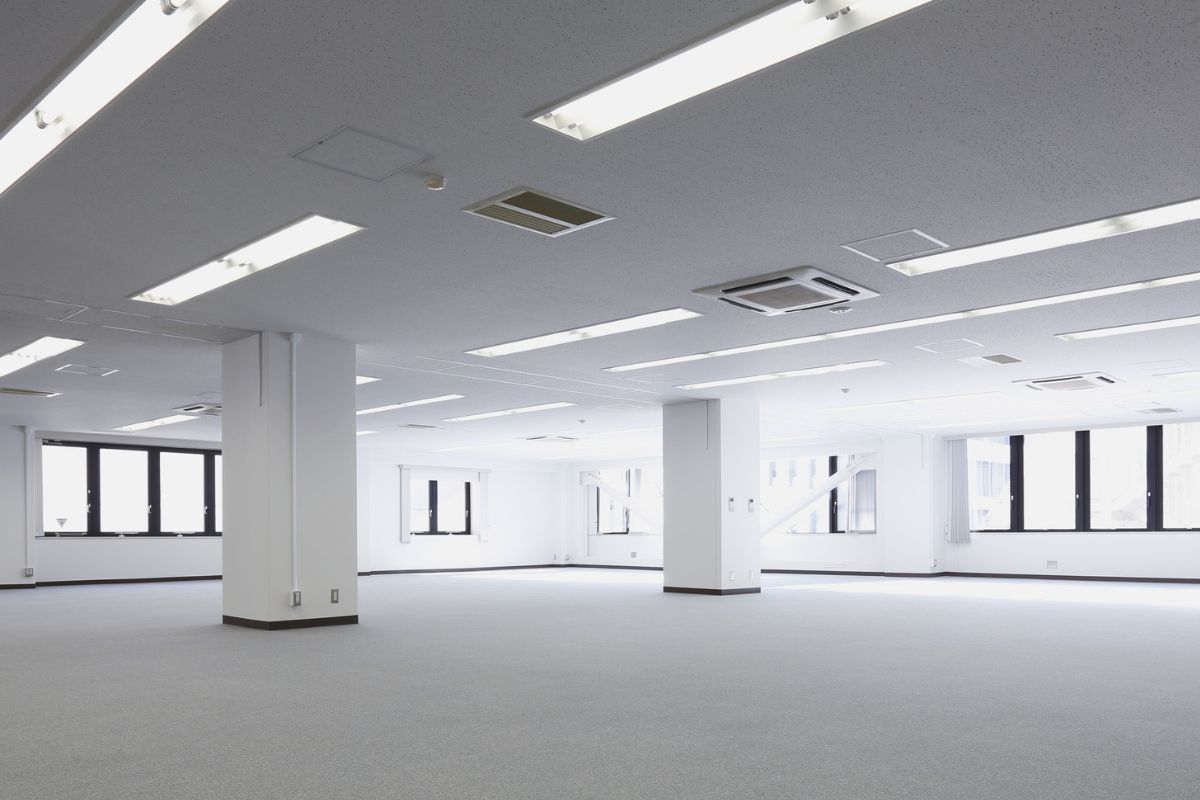
Choosing the right flooring for a commercial office space is more than an aesthetic decision, it’s an investment in functionality, safety, employee comfort, and long-term value. The flooring you select influences acoustics, durability, maintenance cost, and even brand perception. With so many materials available today, finding the perfect solution can feel overwhelming.
This comprehensive guide breaks down the best flooring types for modern commercial offices, including their advantages, drawbacks, ideal use cases, and cost considerations.
1. Carpet Tiles: The Most Popular Choice for Offices
Carpet tiles remain a staple in corporate environments and for good reason.
Why Carpet Tiles Work
- Excellent sound absorption, perfect for open-plan offices where noise control matters.
- Easy replacement, damaged tiles can be swapped individually.
- Design versatility, available in countless textures, patterns, and colors.
- Comfortable underfoot, helps reduce fatigue for employees who stand or walk frequently.
Best For
Open workspaces, conference rooms, coworking areas, and executive suites.
Potential Drawbacks
- Prone to staining if not treated.
- Requires regular vacuuming and periodic deep cleaning.
2. Luxury Vinyl Tile (LVT): Durable, Stylish, and Low Maintenance
LVT has exploded in popularity across commercial environments, including offices, retail areas, and healthcare settings.
Advantages of LVT
- High durability, resists scratches, dents, and heavy foot traffic.
- Easy maintenance, simple sweeping and occasional mopping.
- Water-resistant, ideal for break rooms or entryways.
- Design flexibility, mimics wood, stone, and concrete at a fraction of the cost.
Best For
Reception areas, hallways, break rooms, collaborative spaces, and anywhere needing durability.
Potential Drawbacks
- Not as sound-absorbing as carpet unless combined with acoustic underlayment.
- Quality varies widely; lower-end LVT might fade or warp.
3. Polished Concrete: Minimalist and Ultra-Durable
Polished concrete is ideal for modern, industrial-inspired office spaces.
Why Choose Polished Concrete?
- Extremely hard-wearing, lasts decades with minimal care.
- Low maintenance, no waxing or heavy chemicals required.
- Sustainable, uses existing concrete slabs, reducing materials waste.
- Sleek, contemporary look, complements industrial design themes.
Best For
Tech startups, warehouses converted to offices, creative agencies, and large open areas.
Potential Drawbacks
- Hard underfoot (may require area rugs).
- Can become slippery if not treated with anti-slip coatings.
- Reflective surface may cause sound reverberation unless paired with acoustic panels.
4. Hardwood Flooring: Timeless Luxury for Executive Areas
While not ideal for every part of an office, hardwood floors bring an undeniable sense of sophistication where aesthetics matter.
Benefits of Hardwood
- Premium, professional appearance
- Long lifespan when maintained properly
- Easily refinished to look new again
- Improves property value
Best For
Reception areas, boardrooms, executive offices, and boutique professional firms (law, consulting, finance).
Potential Drawbacks
- More susceptible to scratches and moisture damage.
- Higher upfront cost than most alternatives.
5. Rubber Flooring: Safe, Comfortable, and Quiet
Rubber flooring is less common in traditional offices but increasingly popular in high-traffic or wellness-focused environments.
Advantages
- Soft and ergonomic, reduces physical strain.
- Slip-resistant and safe.
- Fantastic sound absorption
- Highly durable and stain-resistant.
Best For
Gyms inside corporate buildings, corridors, standing workstations, mailrooms, and storage areas.
Potential Drawbacks
- Limited design options compared to carpet or LVT.
- Can have a mild odor initially (usually dissipates quickly).
6. Ceramic or Porcelain Tile: Clean, Modern, and Moisture-Resistant
Tile flooring delivers a clean and polished look while offering excellent durability.
Why Tile Works
- Extremely water-resistant
- Easy to clean
- Long-lasting
- Great for branding with custom patterns
Best For
Lobbies, bathrooms, kitchens, and areas prone to spills or moisture.
Potential Drawbacks
- Hard and cold underfoot.
- Grout requires periodic cleaning.
- Not ideal in areas where noise must be minimized.
How to Choose the Best Flooring for Your Office
When selecting flooring, consider the following factors:
- Foot Traffic: High-traffic areas like hallways and lobbies require durable materials like LVT, tile, or polished concrete.
- Acoustic Needs: Carpet tiles and rubber flooring reduce noise in open-plan offices.
- Brand Identity: Modern LVT or polished concrete suits creative firms, while hardwood conveys luxury and professionalism.
- Maintenance Requirements: How much time and budget do you have for ongoing care?
- Comfort: Soft surfaces reduce fatigue, especially in workplaces with long hours or standing desks.
- Budget: Factor in not just installation, but lifetime maintenance and replacement costs.
Conclusion: Best Flooring Is the One That Fits Your Office’s Purpose
There is no one-size-fits-all answer. The best flooring for a commercial office depends on your company’s needs, style, and budget. Carpet tiles and LVT remain top choices for most modern offices due to their balance of durability, design flexibility, and cost-effectiveness. Polished concrete and hardwood are fantastic for design-driven spaces, and rubber flooring or tile excel in specialized areas.
Investing in the right flooring enhances employee comfort, improves acoustics, reflects your brand identity, and adds long-term value to your workspace. Contact us for flooring installation in Sydney.