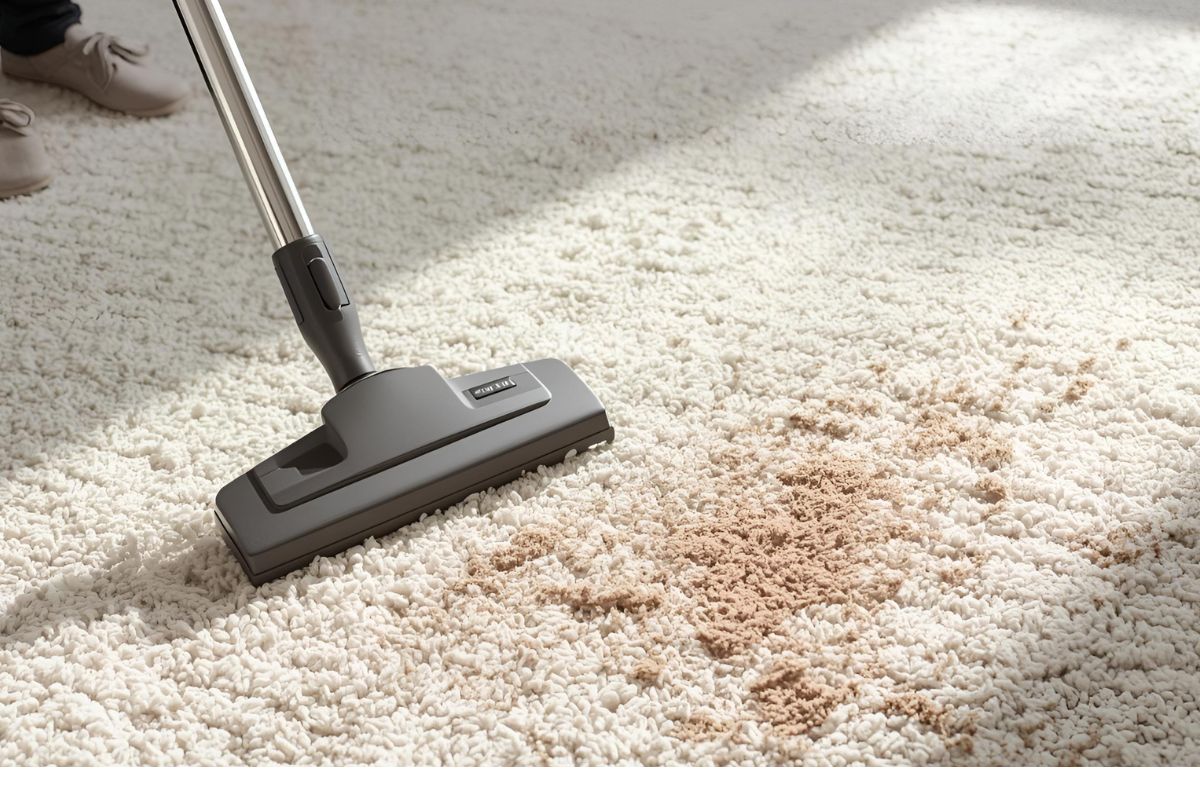
Carpets are a popular flooring choice in Australian homes, offering comfort, warmth, and visual appeal. Whether you live in a compact unit or a spacious family home, proper carpet care is essential to maintain its look, feel, and longevity. Australia’s unique climate conditions, from humid summers to cool, dry winters, can pose specific challenges for carpet maintenance. This guide will help you keep your carpets fresh, clean, and looking their best all year round.
1. Regular Vacuuming – Your First Line of Defence
Why it’s important:
Dust, dirt, and debris easily settle deep into carpet fibres, causing premature wear and dullness. In many Australian households, open windows, sandy feet, and pet traffic can accelerate this buildup.
Best practices:
- Vacuum at least twice a week in high-traffic areas and once a week in quieter zones.
- Use a vacuum cleaner with a HEPA filter to remove fine dust, allergens, and pollen.
- Take your time, slow and steady vacuuming is more effective than rushing.
2. Treat Spills Immediately
Act fast!
Spills are inevitable, from drinks to muddy paws or dropped food. Acting quickly helps prevent permanent stains.
How to clean spills:
- Blot, don’t rub. Use a clean, white cloth to gently absorb the spill.
- Apply a mild carpet cleaner or natural solution (such as white vinegar and water) to the affected area.
- For tougher stains like wine or ink, use a carpet-specific stain remover. Always test on a small, hidden area first.
3. Deep Cleaning: Steam Cleaning and Shampooing
Even with regular vacuuming, carpets need a deeper clean every 6–12 months to remove built-up dirt, bacteria, and allergens.
Professional vs DIY:
- Professional steam cleaning (hot water extraction) is the most effective method and often recommended by carpet manufacturers.
- Many Australian cleaning services offer eco-friendly and pet-safe options.
- DIY machines are available for hire, but be sure to follow instructions carefully and allow enough drying time to prevent mould or mildew.
4. Protecting Your Carpet from Australia’s Climate
Humidity and Mould:
In humid or coastal areas, moisture can lead to mould and mildew in carpets. Ensure rooms are well-ventilated, and consider using a dehumidifier during wetter months.
Sun Damage:
Direct sunlight can fade carpet colours over time. Use curtains, blinds, or UV-protective window film to reduce exposure to harmful rays.
5. Use Mats and Rugs Wisely
- Place doormats at entrances to trap dirt before it reaches your carpet.
- Use area rugs in high-traffic areas to protect your carpet and reduce wear.
- Rotate rugs regularly to ensure even fading and wear.
6. Rearranging Furniture to Prevent Indentations
Heavy furniture can compress carpet fibres, leaving behind dents.
Prevention and repair:
- Use furniture coasters or pads to distribute weight more evenly.
- Rearrange furniture periodically to relieve pressure spots.
- To lift dents, apply a damp cloth and a warm hairdryer, then gently fluff the fibres with a spoon or soft brush.
7. Pet-Friendly Carpet Care
Australia has a high rate of pet ownership, and furry companions bring added carpet challenges.
Tips for pet owners:
- Brush pets regularly to minimise hair on your carpets.
- Clean up any accidents immediately using an enzyme-based cleaner to eliminate odours and prevent stains.
- Use a robot vacuum or pet-specific vacuum to manage shedding.
8. Professional Carpet Maintenance and Inspection
For deep stains, flood damage, or end-of-lease requirements, it’s best to call in the professionals.
Why it matters:
- Experts can remove stains and embedded grime that home methods can’t.
- Some carpet warranties require proof of regular professional cleaning to stay valid.
9. Choosing the Right Carpet for Your Climate and Lifestyle
If you’re installing new carpet, choose a type that suits your local environment and daily use.
- Wool carpets are excellent for insulation and comfort in cooler areas, but may require good ventilation in humid regions.
- Synthetic carpets (like nylon or polyester) are more durable, stain-resistant, and versatile across climates.
- In sandy or coastal locations, low-pile carpets are easier to clean and less prone to trapping debris.
Conclusion
Carpet care in Australia is a blend of regular maintenance, prompt action, and climate-conscious choices. Whether you’re managing kids, pets, or a busy household, a well-maintained carpet enhances the comfort and value of your home. With the right techniques and habits, your carpet can stay clean, soft, and stylish for many years to come.