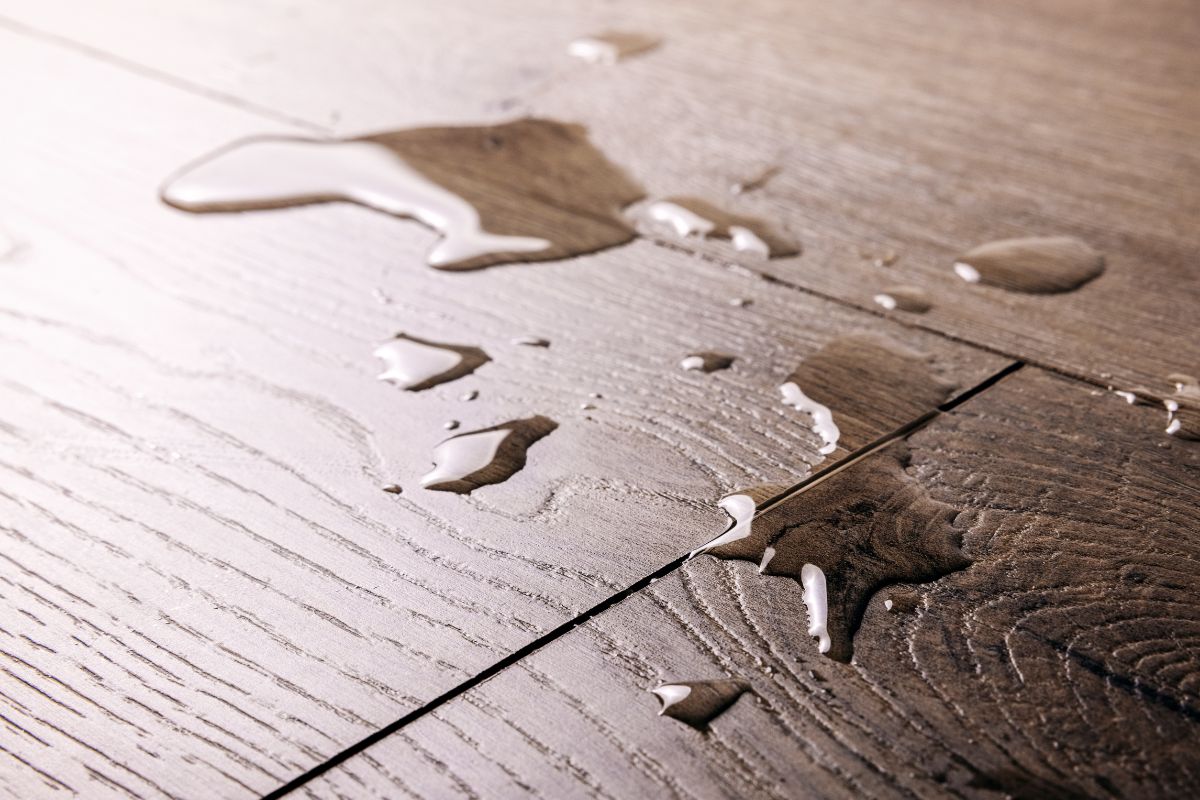
When it comes to choosing flooring for areas exposed to moisture—like bathrooms, kitchens, laundry rooms, and basements—water resistance becomes a top priority. Traditional hardwood and carpet simply won’t cut it in wet environments. Thankfully, modern flooring innovations offer a variety of waterproof options that are not only functional but stylish as well.
In this blog post, we’ll dive deep into the best waterproof flooring options, exploring their benefits, drawbacks, installation methods, and ideal use cases.
Why Waterproof Flooring Matters
Moisture is one of the leading causes of flooring damage. Water can warp wood, cause mold growth in carpet, and degrade adhesives in laminate flooring. Waterproof flooring:
- Prevents mold and mildew growth
- Minimizes damage from spills, leaks, or flooding
- Offers long-term durability in high-moisture areas
- Maintains appearance and structure over time
Now, let’s explore the best waterproof flooring options available in 2025.
1. Luxury Vinyl Plank (LVP) and Luxury Vinyl Tile (LVT)
Overview
Luxury vinyl is one of the most popular waterproof flooring solutions on the market. It mimics the look of hardwood or stone but is made of synthetic materials, usually in layers with a waterproof core.
Pros:
- 100% waterproof
- Affordable compared to hardwood or tile
- Easy to install (click-lock or glue-down)
- Durable and scratch-resistant
- Low maintenance
Cons:
- May fade with prolonged UV exposure
- Lower resale value than hardwood
- Some cheaper brands may emit VOCs
Best For:
Kitchens, bathrooms, basements, laundry rooms, and even mudrooms
2. Tile (Porcelain and Ceramic)
Overview
Porcelain and ceramic tiles are inherently waterproof, making them a traditional and reliable choice for wet areas. Porcelain is denser and more water-resistant than ceramic, but both perform well.
Pros:
- Completely waterproof when properly installed
- Long-lasting and hard-wearing
- Wide range of colors, textures, and styles
- Excellent for radiant heating systems
Cons:
- Cold and hard underfoot
- Grout needs sealing and maintenance
- Can crack if installed over uneven surfaces
Best For:
Bathrooms, kitchens, entryways, mudrooms, and sunrooms
3. Waterproof Laminate Flooring
Overview
Traditional laminate flooring was notorious for water damage. But waterproof laminate has changed the game with water-resistant cores and tight locking systems.
Pros:
- More affordable than hardwood
- Looks similar to real wood
- Easier installation than tile
- Improved water resistance (24 to 72-hour protection)
Cons:
- Not 100% waterproof unless specified
- Still vulnerable to prolonged moisture
- Not ideal for standing water
Best For:
Living rooms, kitchens, bedrooms (low-to-moderate moisture areas)
4. Waterproof Engineered Hardwood
Overview
Engineered hardwood is constructed with a plywood or HDF core and a real hardwood veneer. Newer waterproof versions use advanced sealing and waterproof cores.
Pros:
- Real wood appearance and texture
- Better water resistance than solid hardwood
- Can be installed in places where traditional hardwood can’t
Cons:
- More expensive than LVP or laminate
- Still not ideal for areas with standing water
- Needs careful cleaning
Best For:
Living rooms, dining rooms, kitchens (dry to mildly wet areas)
5. Sheet Vinyl Flooring
Overview
Sheet vinyl is a budget-friendly and highly waterproof option. It comes in large rolls and minimizes seams, which makes it excellent for water-prone areas.
Pros:
- Completely waterproof
- Budget-friendly
- Seamless installation in small rooms
- Comfortable underfoot
Cons:
- Difficult to repair if damaged
- Not as durable as LVP or tile
- Can look dated depending on the style
Best For:
Bathrooms, laundry rooms, rental properties
6. Rubber Flooring
Overview
Often used in gyms and commercial kitchens, rubber flooring is inherently water-resistant and durable, making it ideal for high-moisture and high-impact spaces.
Pros:
- Naturally waterproof
- Slip-resistant
- Durable and impact-resistant
- Comfortable underfoot
Cons:
- Industrial appearance
- Limited design options for home interiors
- Can be expensive
Best For:
Home gyms, basements, playrooms, garages
7. Concrete Flooring (Sealed and Stained)
Overview
Modern polished or stained concrete floors are both stylish and waterproof when sealed. A good sealant prevents water infiltration and enhances durability.
Pros:
- 100% waterproof with sealant
- Industrial and modern aesthetic
- Extremely durable
- Customizable finishes and stains
Cons:
- Hard and cold underfoot
- Requires regular sealing
- Installation and staining can be costly
Best For:
Basements, garages, modern interiors, industrial spaces
Bonus: Cork Flooring (Water-Resistant Versions)
Some engineered cork floors come with waterproof cores and protective top layers, making them suitable for damp areas—though not fully waterproof.
Pros:
- Eco-friendly
- Warm and soft underfoot
- Quiet and insulating
Cons:
- Not fully waterproof
- Needs proper sealing
- Susceptible to dents
Best For:
Bedrooms, living rooms, and occasional-use kitchens
How to Choose the Best Waterproof Flooring
Here are a few tips when selecting waterproof flooring:
- Assess the area: Is it prone to splashes or full flooding? Kitchens need different materials than basements.
- Think about comfort: Hard surfaces like tile and concrete are waterproof but not comfortable.
- Maintenance: Some materials (like tile or concrete) require sealing or special cleaning.
- Style and budget: LVP and waterproof laminate offer a balance of style and affordability.
Conclusion: Waterproof Flooring That Works for You
Waterproof flooring is no longer a trade-off between style and function. Whether you’re aiming for the luxurious look of wood with the durability of vinyl, the classic feel of tile, or the industrial edge of polished concrete, there’s a waterproof flooring option to match your space and budget.
Need Help Deciding?
If you’re remodeling or building a new space and unsure what flooring is best for your situation, consider consulting with a local flooring installer. They can assess your home’s moisture exposure and help you choose a product that offers longevity and style.