Carpet installation is one of the most effective ways to refresh your living space, improve comfort, and boost your home’s value. Whether you’re updating a single room or replacing all your flooring, preparing properly before the carpet installation is critical to ensure a smooth, efficient, and lasting result.
This blog post will walk you through everything you need to do before your carpet is installed—from clearing the space to checking subfloors, and even managing your schedule on installation day.
Why Preparation Matters
Before we dive into the checklist, let’s understand why preparation is so important:
- Reduces delays and unexpected issues
- Ensures a better quality installation
- Protects your furniture, electronics, and other belongings
- Helps the installers work efficiently, saving time and possibly cost
- Prevents future problems like wrinkles, bulges, or improper fit
Now let’s get into the step-by-step guide.
1. Confirm the Installation Details
Before anything else, review the installation details with the carpet retailer or installer. Make sure you understand:
- The installation date and time
- Who will be installing the carpet (their credentials and experience)
- What’s included in the service (e.g., furniture moving, old carpet removal, haul-away, etc.)
- Special requirements (like baseboard removal or special padding)
- Warranties or guarantees offered
If you’re hiring independent installers, ask whether they’re licensed and insured. It’s always better to have everything in writing.
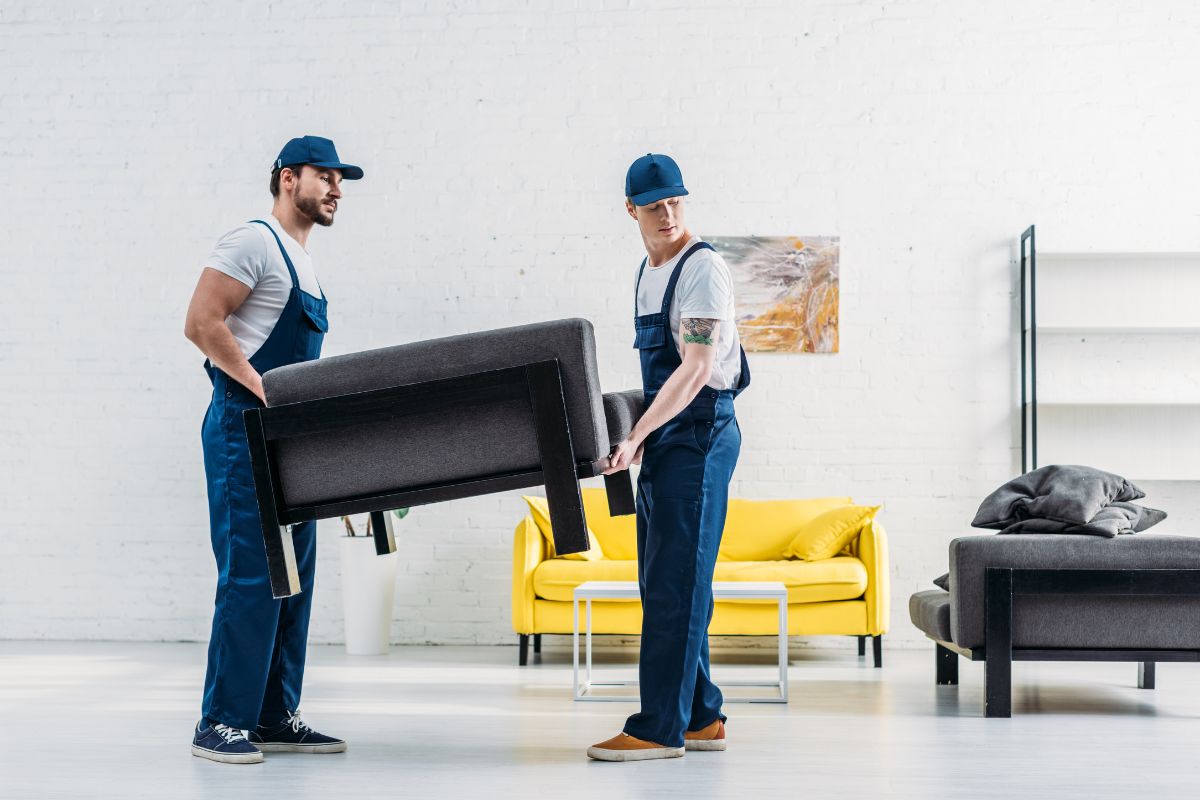
2. Remove All Furniture and Personal Belongings
Most installers will require a completely clear room before they begin. This includes:
- Furniture (beds, sofas, dressers, desks, etc.)
- Decor (paintings, mirrors, lamps)
- Electronics (TVs, computers, speakers)
- Small items (books, clothes, personal items)
If the installer offers furniture moving, ask what types of furniture they will handle—and which ones you are responsible for. Items like pianos, aquariums, safes, and antiques usually require special handling.
TIP:
Pack up the room like you’re moving. Use labeled boxes, protect fragile items, and store them in another part of the house.
3. Take Care of Electronics
Electronics are delicate and often difficult to move. Here’s how to protect them:
- Unplug all devices and coil up cables neatly
- Take photos of cable connections to make re-setup easier
- Store electronics in their original boxes if possible
- If they stay in the room, cover them with plastic or cloth to protect from dust
4. Remove the Old Carpet (If Required)
Check if your installer will remove and dispose of the old carpet and padding. If not, you’ll need to do it yourself. Here’s how:
- Use a utility knife to cut the carpet into strips
- Roll it up and secure with duct tape
- Remove the carpet padding and staples
- Pull up tack strips if needed (especially if you’re replacing with different flooring)
- Sweep or vacuum the subfloor afterward
Safety Tip:
Wear gloves and a dust mask. Old carpets may harbor dust mites, allergens, and debris.
5. Clean and Inspect the Subfloor
Once the old carpet is removed, take time to inspect the condition of the subfloor:
- Is it level and smooth?
- Are there signs of mold, mildew, or water damage?
- Are there any loose boards or squeaky areas?
Use this opportunity to repair or treat the subfloor. If the subfloor isn’t properly prepped, your new carpet may wear unevenly or develop bumps over time.
6. Vacuum and Clean the Area
Even if your carpet installers will handle final cleaning, it’s helpful to:
- Vacuum dust and debris
- Sweep corners and baseboards
- Remove pet hair, food crumbs, or sharp objects
Dust and dirt can interfere with adhesives or padding, especially if using carpet tiles or glued-down carpeting.
7. Plan for Doors and Moldings
When new carpet is installed, the floor height may change, especially if the padding is thicker. This can affect:
- Doors (they might not swing or close properly)
- Baseboards and moldings
Discuss this with your installer ahead of time. You may need to:
- Remove and reattach moldings
- Trim doors after installation
- Use transition strips where carpet meets other flooring types
8. Prepare Adjacent Areas
Carpet installation can affect more than just the target room. You’ll want to:
- Protect nearby flooring with drop cloths
- Tape off doorways to limit dust
- Clear hallways or access routes the installers will use
- Move pets to a safe and secure space
9. Ensure Proper Ventilation
Some carpets—especially new ones—can emit off-gassing odors due to adhesives or materials. Proper ventilation will help:
- Open windows and doors during and after installation
- Use fans to circulate air
- Consider using an air purifier for a day or two post-installation
10. Make Arrangements for Children and Pets
Installation tools, staples, and chemicals can be dangerous. It’s best to:
- Keep children out of the work area
- Arrange pet care for the day
- Let the carpet settle before allowing pets on it (especially cats, who love to scratch)
11. Be Present or Available
If possible, be home during installation or have someone you trust there. The installers may need quick decisions about:
- Unexpected subfloor issues
- Door trimming
- Carpet direction or pattern alignment
If you can’t be home, make sure they have:
- Access to the space
- A phone number where they can reach you
- Clear instructions for special needs
12. Ask About Post-Installation Care
Before the installers leave, ask them:
- When you can move furniture back in
- Whether you should vacuum immediately or wait
- How long to let the carpet “settle”
- Recommended cleaning techniques and products
- Warranty details and care guides
Some carpets benefit from a post-installation stretch or adjustment after a few weeks.
Bonus: Tips for a Smooth Installation Day
Here are a few additional pro tips to make the day stress-free:
- Prepare snacks and water for yourself or the workers
- Have a toolbox or utility kit handy
- Confirm electricity access (especially if power tools are used)
- Have a designated work zone for installers to cut or prep carpet
- Take before-and-after photos for insurance or warranty purposes
Final Thoughts
Installing new carpet can transform your space—but only if you prepare well. Taking the time to declutter, inspect your subfloor, confirm installation details, and make your home accessible to installers ensures a faster, cleaner, and more successful result.
Remember, the more work you do upfront, the smoother the process will be—and the longer your carpet will last.
Ready to Upgrade Your Floors?
Ready to transform your space? Get expert carpet installation in Sydney with fast service, quality finishes, and unbeatable comfort. Book your FREE measure and quote today — your new floors are just one step away!