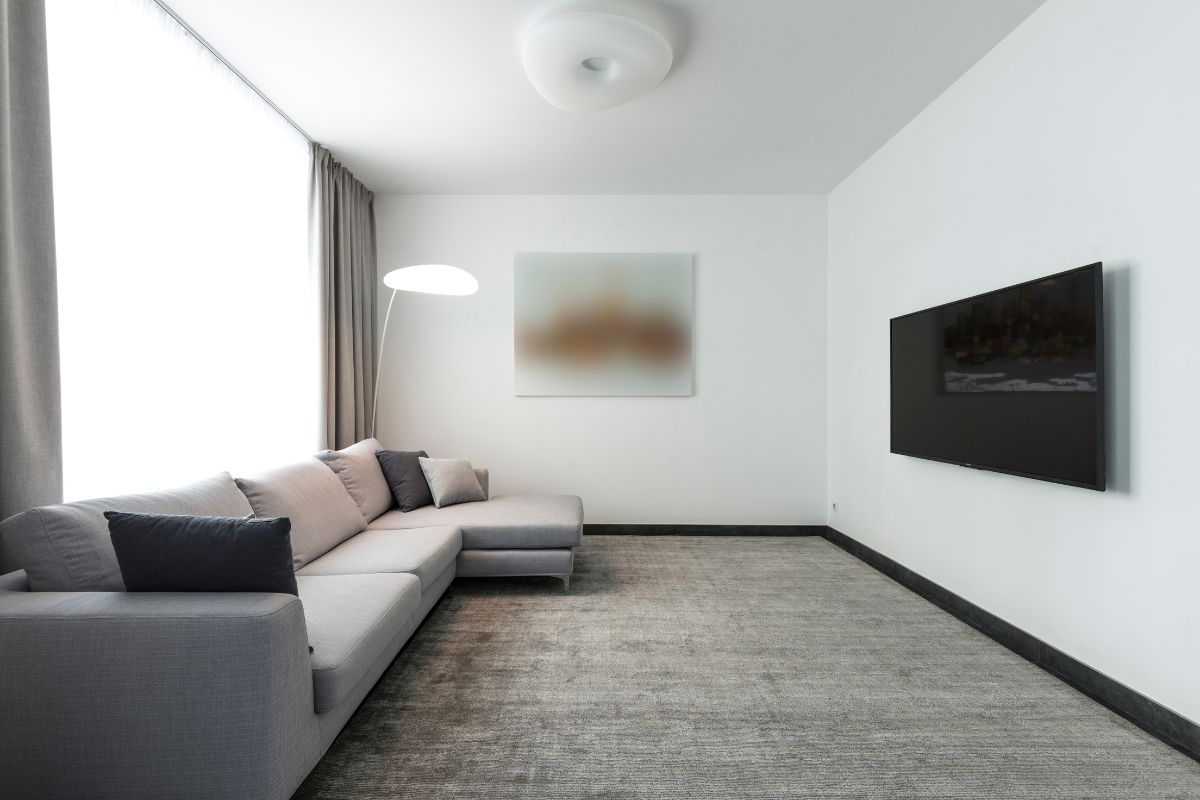
Small spaces present unique design challenges, but the right carpets can transform a cramped room into a cozy, stylish, and seemingly larger area. Carpets influence a room’s ambiance, perceived size, and functionality, making their selection critical for small apartments, cozy bedrooms, or narrow hallways. In this detailed guide, we’ll explore the best carpet styles for small spaces, dive into the nuances of color, pattern, and texture, and provide actionable tips to help you make the most of your compact living area. Whether you’re decorating a studio apartment or a tiny home office, these carpet ideas will elevate your space.
Why Carpets Matter in Small Spaces
Carpets do more than just cover floors—they define the mood, tie together design elements, and can visually expand or shrink a room. In small spaces, the wrong carpet can make the area feel claustrophobic, while the right one creates an illusion of openness, adds warmth, and enhances functionality. Factors like color, pattern, texture, and material play a significant role in how a carpet interacts with light, furniture, and the overall layout. By choosing wisely, you can make a small space feel airy, inviting, and tailored to your style.
Top Carpet Styles for Small Spaces
1. Light-Colored Carpets for Brightness and Space
Light-colored carpets, such as soft grays, creams, ivories, or pastel shades like blush or mint, are a go-to for small spaces. These hues reflect natural and artificial light, making rooms feel brighter and more open. They’re especially effective in rooms with limited windows or low natural light.
- Best for: Small living rooms, bedrooms, or studio apartments.
- Why it works: Light colors create a sense of airiness and prevent the space from feeling boxed in. They also pair well with a variety of furniture styles, from modern to bohemian.
- Tip: Avoid stark whites, as they show dirt and stains easily. Opt for warm off-whites, light beiges, or subtle grays for a practical yet spacious look. Pair with light-colored walls or mirrors to amplify the effect.
2. Subtle Patterns for Visual Interest
While bold, large-scale patterns can overwhelm a small space, subtle patterns like small-scale geometrics, faint florals, or delicate textures add personality without cluttering the room. Think soft herringbone, micro-checks, or tone-on-tone designs.
- Best for: Home offices, small dining areas, or cozy reading nooks.
- Why it works: Subtle patterns provide just enough visual intrigue to keep the space dynamic while maintaining a clean, uncluttered aesthetic.
- Tip: Choose low-contrast patterns (e.g., light gray diamonds on a white base) to avoid visual overload. Ensure the pattern complements other elements in the room, like curtains or upholstery.
3. Diagonal or Linear Patterns for Elongation
Carpets with diagonal or linear designs, such as chevrons, thin stripes, or subtle grids, can trick the eye into perceiving a room as longer or wider. These patterns draw attention across the space, creating a sense of depth and movement.
- Best for: Narrow hallways, small bedrooms, or rectangular living rooms.
- Why it works: Linear patterns guide the eye along the room’s longest dimension, making it feel more expansive.
- Tip: Align stripes or diagonals with the room’s longest wall to maximize the lengthening effect. Avoid high-contrast stripes, as they can feel too busy; opt for soft gradients or monochromatic designs.
4. Low-Pile Carpets for Sleek Practicality
Low-pile carpets, such as flatweaves, Berber, or tightly looped styles, are ideal for small spaces due to their sleek profile and ease of maintenance. Unlike plush, high-pile carpets, low-pile options don’t add visual or physical bulk.
- Best for: High-traffic areas like entryways, small living rooms, or studio apartments.
- Why it works: Low-pile carpets are durable, easy to clean, and create a streamlined look that doesn’t overwhelm compact spaces.
- Tip: Choose a low-pile carpet with a slight texture, like a woven or pebbled effect, to add warmth without sacrificing simplicity. Look for stain-resistant materials for added practicality.
5. Tone-on-Tone Textured Carpets for Depth
Textured carpets in a single color (or slight variations) offer depth and coziness without dominating the space. Styles like cut-and-loop, subtle shag, or sculpted patterns provide tactile interest while keeping the look cohesive.
- Best for: Cozy corners, small bedrooms, or minimalist spaces.
- Why it works: Texture adds warmth and dimension, making the room feel inviting without relying on bold colors or patterns that could shrink the space.
- Tip: Stick to neutral or soft tones, like taupe or pale blue, to maintain versatility. Pair with bold accents, such as colorful throw pillows or a vibrant artwork, to balance the look.
6. Area Rugs for Flexibility and Proportion
In small spaces, area rugs can be a better choice than wall-to-wall carpeting, offering flexibility to change styles or layouts. Round or oval rugs soften angular rooms, while rectangular rugs define specific zones, like a seating area.
- Best for: Studio apartments, small living rooms, or multifunctional spaces.
- Why it works: Area rugs allow you to experiment with color and pattern while leaving some floor exposed, which can make the room feel larger.
- Tip: Choose a rug size that complements the room’s proportions—typically 5×7 or 6×9 feet for small spaces. Leave 12–18 inches of floor space around the rug to maintain an open feel.
Practical Tips for Choosing and Styling Carpets
- Measure Precisely: Before purchasing, measure your space carefully. A carpet that’s too large can overwhelm, while one too small may look like an afterthought. For area rugs, ensure furniture legs are either fully on or off the rug for a balanced look.
- Prioritize Durability: Small spaces often experience heavy foot traffic, so choose durable materials like nylon, wool blends, or polypropylene. These are stain-resistant and hold up well over time.
- Leverage Light Reflection: Carpets with a slight sheen or light hues reflect light, brightening dim rooms. Pair with mirrors or glossy furniture to enhance this effect.
- Layer Thoughtfully: Layering a small, patterned rug over a neutral carpet can add personality without cluttering the space. Keep the base carpet simple to avoid visual chaos.
- Consider Maintenance: Small spaces show dirt and wear quickly. Opt for carpets with stain-resistant treatments or easy-to-clean materials, especially in high-traffic areas.
- Test with Samples: If possible, bring home carpet samples to see how they look in your space’s lighting. Colors and textures can appear different under natural or artificial light.
- Incorporate Underlay: A thin carpet pad or underlay adds comfort and prevents slipping, especially for area rugs. Choose a low-profile pad to avoid adding bulk.
Common Mistakes to Avoid
- Overly Dark Colors: Dark carpets, like navy or charcoal, can make small spaces feel cave-like unless balanced with ample lighting and light-colored walls. Use them sparingly and with intention.
- Busy or Large Patterns: Large, high-contrast patterns (e.g., bold florals or bright zigzags) can dominate a small room, making it feel chaotic and smaller.
- Ignoring Proportions: A carpet that’s too large or small disrupts the room’s balance. Ensure the carpet fits the space and furniture layout appropriately.
- Neglecting Maintenance Needs: Carpets in small spaces need frequent cleaning due to concentrated use. Avoid high-maintenance materials like thick shag if you’re not prepared for regular upkeep.
- Overloading with Accessories: A bold carpet paired with too many patterned accessories can overwhelm a small space. Keep other elements, like curtains or furniture, simple to let the carpet shine.
Design Inspirations for Small Spaces
- Scandinavian Simplicity: Pair a light gray, low-pile carpet with white walls and wooden furniture for a clean, airy look. Add pops of color with pastel cushions or a single bold artwork.
- Modern Minimalism: Use a tone-on-tone textured carpet in beige or taupe, combined with sleek furniture and metallic accents, to create a sophisticated, spacious feel.
- Bohemian Charm: Layer a small, patterned area rug (like a Moroccan-inspired design) over a neutral carpet. Add plants and woven accessories for a cozy yet open vibe.
- Coastal Retreat: Opt for a light blue or sandy-colored carpet with subtle wave-like patterns to evoke a beachy, open atmosphere. Pair with white or driftwood furniture.
Conclusion
Selecting the perfect carpet for a small space is about balancing aesthetics, functionality, and the illusion of space. Light colors, subtle patterns, low-pile textures, and well-proportioned area rugs are excellent choices to make your room feel larger, brighter, and more inviting.
By considering factors like lighting, traffic, and maintenance needs, you can choose a carpet that enhances both the style and practicality of your space. Experiment with these ideas, and don’t be afraid to play with textures and shapes to create a small space that feels like a big statement. Contact carpet installation expert for more information.