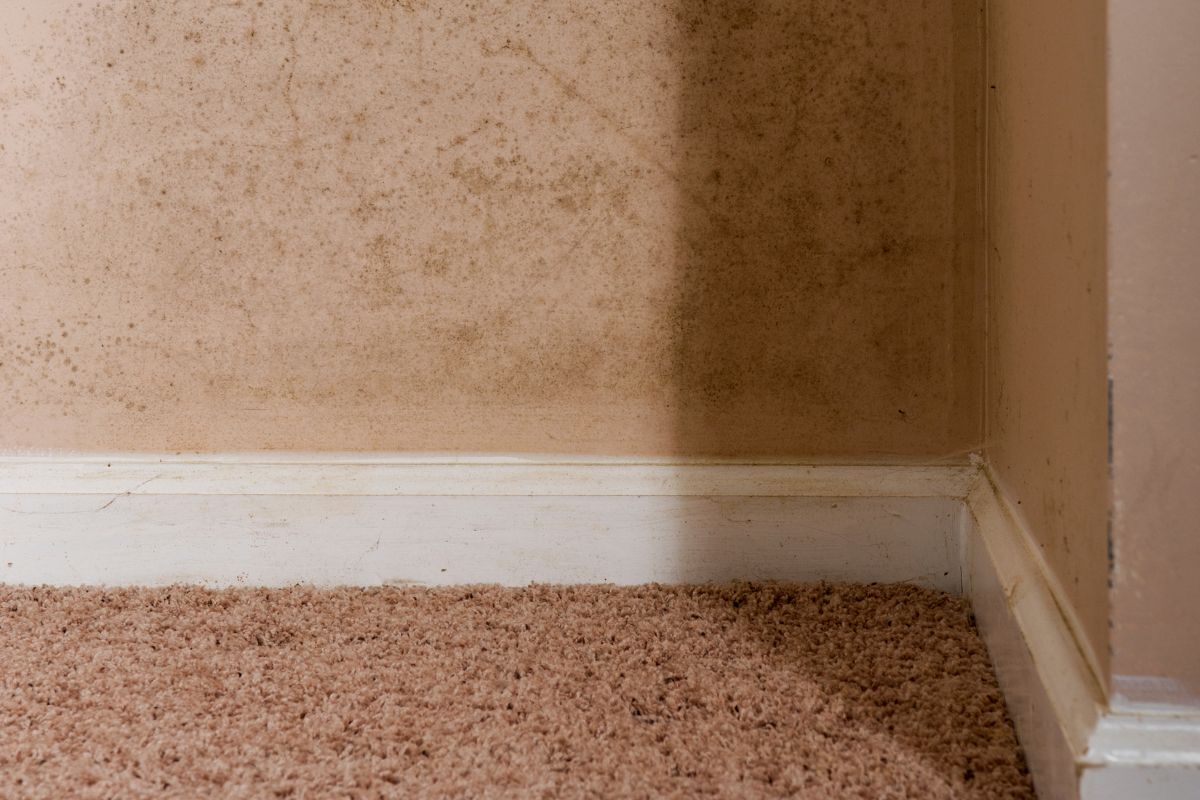
Mold in carpets is a common yet serious issue that can affect indoor air quality and pose health risks if left untreated. Whether caused by water damage, high humidity, or poor ventilation, mold growth can spread quickly, leading to musty odors, discoloration, and potential damage to your carpet. In this detailed guide, we’ll explore how to effectively remove mold from carpets, prevent future growth, and maintain a healthy home environment.
What Causes Mold in Carpets?
Mold thrives in damp, warm, and poorly ventilated environments. Common causes of mold growth in carpets include:
- Water Damage: Spills, leaks, or flooding from burst pipes or natural disasters can soak carpets, creating a breeding ground for mold.
- High Humidity: Areas with consistently high humidity levels (above 60%) encourage mold growth.
- Poor Ventilation: Lack of airflow in rooms, especially basements or bathrooms, traps moisture and promotes mold.
- Neglected Spills: Liquids left to sit on carpets, such as pet accidents or spilled drinks, can penetrate deep into fibers and padding.
- Improper Drying: Carpets that remain wet after cleaning or flooding are highly susceptible to mold.
Understanding these causes is the first step to addressing and preventing mold growth. If you’re dealing with mold in your carpet, acting quickly is crucial to minimise damage and health risks.
Health Risks of Mold in Carpets
Mold exposure can lead to various health issues, particularly for individuals with allergies, asthma, or compromised immune systems. Common symptoms include:
- Respiratory problems, such as coughing or wheezing
- Allergic reactions, including sneezing, runny nose, or itchy eyes
- Skin irritation or rashes
- Headaches or fatigue
- Worsened asthma symptoms
In severe cases, prolonged exposure to certain types of mold, like black mold (Stachybotrys chartarum), can cause more serious health issues. Removing mold promptly and thoroughly is essential to protect your household.
Step-by-Step Guide to Remove Mold from Carpets
Follow these steps to safely and effectively remove mold from your carpet. Always wear protective gear, such as gloves, a mask, and safety goggles, to avoid direct contact with mold spores.
Step 1: Assess the Damage
Before starting, determine the extent of the mold growth:
- Small Areas: If the mold is confined to a small patch (less than 10 square feet), you may be able to handle it yourself.
- Large Areas or Severe Infestation: For widespread mold or carpets that have been wet for more than 48 hours, consult a professional mold remediation service, as the mold may have spread to the padding or subfloor.
If the carpet is heavily damaged or the mold has penetrated deeply, replacement may be the best option.
Step 2: Isolate the Area
To prevent mold spores from spreading to other parts of your home:
- Close off the affected room by shutting doors or hanging plastic sheeting.
- Use a fan to direct airflow out of a window, creating negative pressure to contain spores.
- Avoid walking on the moldy carpet to prevent spreading spores to unaffected areas.
Step 3: Dry the Carpet
Mold cannot grow without moisture, so drying the carpet thoroughly is critical:
- Use a Wet/Dry Vacuum: Remove as much water as possible if the carpet is still wet.
- Run Dehumidifiers and Fans: Place a dehumidifier and high-powered fans in the room to speed up drying. Aim for humidity levels below 50%.
- Lift the Carpet (if possible): For severe water damage, lift the carpet to dry both the carpet and the padding underneath. Use fans or a heater to aid drying.
Step 4: Vacuum the Mold
Once the carpet is dry, use a vacuum with a HEPA filter to remove loose mold spores. Regular vacuums can spread spores, so a HEPA filter is essential. Vacuum slowly and thoroughly, covering the entire affected area.
Step 5: Clean the Carpet
Choose an appropriate cleaning solution based on the carpet material and severity of the mold:
- White Vinegar: A natural antifungal, vinegar is effective for mild mold growth. Mix one part vinegar with one part water in a spray bottle, apply to the affected area, and let it sit for 10–15 minutes before blotting with a clean cloth.
- Hydrogen Peroxide (3%): For tougher mold, apply hydrogen peroxide to the area, let it sit for 10 minutes, then blot. Test on a small, inconspicuous area first to ensure it doesn’t bleach the carpet.
- Commercial Mold Cleaners: Use EPA-approved mold removal products for severe cases. Follow the manufacturer’s instructions carefully.
Scrub the area gently with a soft brush to loosen mold from the carpet fibers. Blot with a clean, dry cloth to absorb the cleaning solution and mold residue.
Step 6: Rinse and Dry Again
Rinse the cleaned area with clean water to remove any remaining cleaning solution. Blot thoroughly and dry the carpet completely using fans and dehumidifiers. Ensure no moisture remains, as even slight dampness can lead to mold regrowth.
Step 7: Disinfect the Area
To kill any remaining mold spores, apply a disinfectant like a diluted bleach solution (1 cup bleach to 1 gallon of water) or an EPA-approved disinfectant. Test the solution on a small area first to avoid damaging the carpet. Blot and dry thoroughly.
Step 8: Inspect and Monitor
After cleaning, check for lingering musty odors or visible mold. If the problem persists, the mold may have spread to the padding or subfloor, requiring professional intervention or carpet replacement.
Preventing Mold Growth in Carpets
Once the mold is removed, take steps to prevent it from returning:
- Control Humidity: Keep indoor humidity below 50% using dehumidifiers, especially in basements or humid climates.
- Improve Ventilation: Use exhaust fans in bathrooms and kitchens, and ensure proper airflow in all rooms.
- Fix Leaks Promptly: Address plumbing leaks, roof leaks, or other sources of water immediately.
- Clean Spills Immediately: Blot up spills and dry the area thoroughly to prevent moisture buildup.
- Use Area Rugs in High-Risk Areas: In moisture-prone areas like basements, use removable area rugs instead of wall-to-wall carpeting.
- Regular Carpet Cleaning: Vacuum regularly and deep-clean carpets annually to remove dirt and moisture that can foster mold growth.
- Consider Mold-Resistant Carpets: If replacing carpets, choose mold-resistant materials like nylon or olefin for high-humidity areas.
When to Call a Professional
If the mold covers a large area, has spread to the padding or subfloor, or persists after cleaning, it’s time to call a professional mold remediation service. Professionals have specialised equipment, such as industrial dehumidifiers and HEPA air scrubbers, to handle severe infestations safely. Additionally, if you or anyone in your household experiences health symptoms related to mold exposure, seek professional help immediately.
FAQs About Mold in Carpets
Can I save a moldy carpet?
In many cases, small areas of mold can be cleaned and saved. However, if the mold has spread extensively or the carpet has been wet for more than 48 hours, replacement is often the best option.
How long does it take for mold to grow in a wet carpet?
Mold can begin growing within 24–48 hours in a wet carpet, especially in warm and humid conditions.
Is bleach safe to use on carpets?
Bleach can be effective for disinfecting but may damage or discolor carpets. Always test in an inconspicuous area and dilute it properly (1 cup bleach to 1 gallon of water).
How can I tell if mold is in my carpet?
Look for visible signs like black, green, or white spots, along with musty odors or discoloration. If the carpet feels damp or smells musty, mold may be present.
Can I use a steam cleaner to remove mold?
Steam cleaning can kill mold spores but may not remove them entirely. It’s best used as part of a broader cleaning strategy, followed by thorough drying.
Conclusion
Removing mold from carpets requires prompt action, the right tools, and proper techniques to ensure a safe and healthy home. By following the steps outlined in this guide—assessing the damage, drying the carpet, cleaning thoroughly, and taking preventive measures—you can effectively eliminate mold and prevent its return. For severe cases, don’t hesitate to call a professional to protect your home and health.
If you’re dealing with persistent mold issues or need expert advice, contact a local mold remediation specialist or carpet cleaning professional. Maintaining a dry, well-ventilated home is key to keeping mold at bay and ensuring your carpets stay fresh and clean for years to come.